
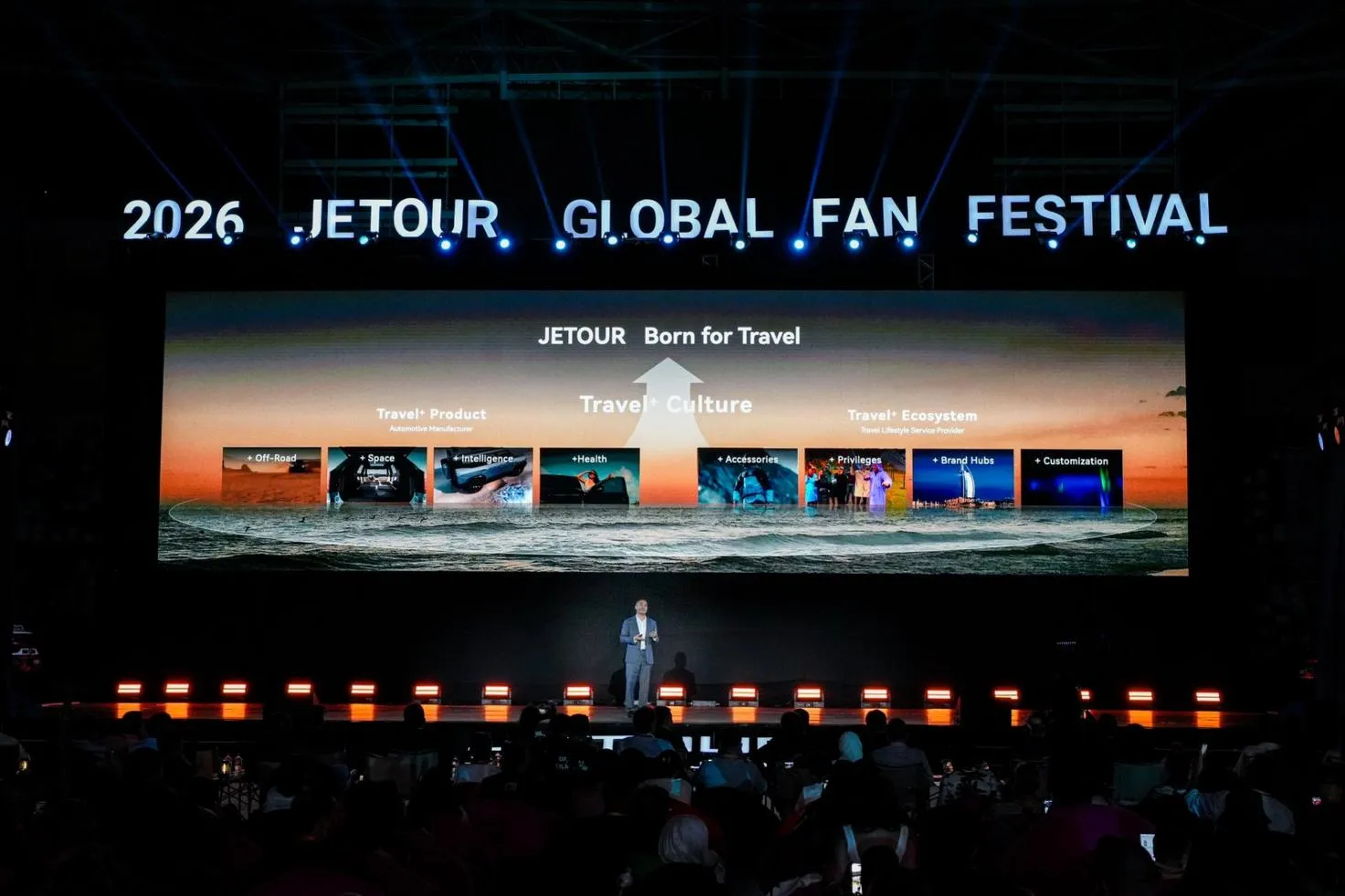

(SeaPRwire) – JETour threw a global fan festival in Brazil and invited the world to celebrate car love. Let’s not pretend this is pure passion.
The automaker pulled nearly 800 users, guests and media representatives to Rio de Janeiro last November. It’s an ambitious gathering that goes beyond typical dealer meet-and-greets. Chinese car brands worldwide are scrambling to build emotional loyalty in segments dominated by legacy players. JETour’s playbook reads as both calculated and aggressive — community as strategy rather than decoration.
The numbers tell a story worth scrutinizing closely. Twenty-six point two million vehicles sold in roughly eight years with entries into over 100 countries. Seventy million fans collected across digital platforms. One hundred forty-six thousand members now belong to owners’ clubs that have orchestrated more than three thousand user events. Three hundred ninety-six product co-creation sessions absorbed suggestions from over 110 thousand owners. Modification cultures span over 200 kits, 3 thousand lifestyle accessories and official custom builds displayed side by side with owner creations.
In Saudi Arabia, Egypt and Peru JETour ranks first among Chinese brands. The “Travel Plus” strategy ties together product development, accessory ecosystems and cultural programming into something resembling a lifestyle subscription model disguised as automobile marketing.
The modification culture angle deserves attention. Over ten modified vehicles appeared at the festival alongside owner-built rigs. Owners from multiple countries shared off-road stories and participated in showcases. Cross-border connection through改装 is becoming a competitive moat, especially in regions where personal expression around vehicles carries cultural weight. Toyota and Ford dominate established markets through century-old brand equity. Chinese manufacturers cannot compete on heritage alone. Community investment becomes the equalizer.
European and American competitors will feel pressure in South America, the Middle East and Africa where JETour operates without legacy dealer entanglements. But scaling a community-first model across continents introduces real risks. Warranty logistics grow exponentially with twenty-six point two million cars dispersed globally. Parts availability determines whether enthusiasts stay engaged or abandon the brand after frustration sets in. The 200 modification kits and 3 thousand accessories represent inventory complexity most OEMs would find exhausting to manage.
If JETour sustains ecosystem investment across all 100-plus countries while maintaining quality control and parts supply chains, the community moat becomes genuinely defensible against cheaper Chinese clones entering the same markets. If they stumble on any of those operational fronts the entire emotional equity evaporates quickly in an era where consumer loyalty lasts less than a smartphone cycle.