OMRON Healthcare Begins Full-Scale Production at First Factory in India JCN Newswire

OMRON Healthcare Begins Full-Scale Production at First Factory in India

CHENNAI, IN, Oct 30, 2026 - (JCN Newswire via SeaPRwire.com) - OMRON Healthcare Co., Ltd., a global leader in clinically proven medical devices for home health monitoring and treatment, today announced the commencement of full-scale blood pressure monitor production at the OMRON Group's first factory in India, located near Chennai, Tamil Nadu. Operated by OMRON HEALTHCARE MANUFACTURING INDIA Pvt. Ltd., the facility represents a significant step in the company's expansion of local manufacturing in India. To mark the launch of full-scale production, the factory's manufacturing operations were opened to domestic and international media and other stakeholders for the first time.Located at ORIGINS by Mahindra, the approximately 24,000-square-meter site has five production lines manufacturing blood pressure monitors for the Indian market. Drawing on production technologies and quality-control expertise developed at OMRON Healthcare's Matsusaka factory in Japan and its sister facility in Vietnam, the factory manufactures the HEM-7090, HEM-7181, and HEM-7183T series to the same standards of measurement accuracy and quality as the company's medical devices supplied to international markets. Designed to meet the needs and price expectations of Indian consumers, these range from straightforward models for first-time users to high-end devices with features including Trend Indicator, which alerts users to increases in blood pressure readings, and Bluetooth connectivity with the OMRON Connect health management app. The factory also supports the government's Make in India initiative through local component sourcing, workforce development, and employment creation.HEM-7183T Blood pressure monitorHEM-7090 Blood pressure monitor This milestone comes as India faces substantial cardiovascular healthcare challenges. Approximately 300 million people nationwide are estimated to be living with hypertension, while the World Health Organization (WHO) identifies cardiovascular diseases like stroke and heart failure among the country's leading causes of death. As India's economy continues to grow at approximately 7% annually, lifestyle changes mean that the prevalence of hypertension is expected to rise further, adding to such challenges and increasing the need for preventive healthcare. Yet fewer than 5% of households have a home blood pressure monitor in regular use, while access to healthcare services also remains limited in many regions. By strengthening the domestic supply of blood pressure monitors, OMRON Healthcare aims to support more widespread home monitoring, earlier identification of cardiovascular risks, and improved hypertension management.OMRON Healthcare has operated in India since 2010, raising awareness of hypertension and the importance of home blood pressure monitoring, supporting academic research, and collaborating with healthcare professionals and local partners to improve cardiovascular care, including working with the Indian Society of Hypertension on the development of India's first home blood pressure monitoring guidelines. The company aims to build on these efforts by promoting wider adoption of home monitoring and strengthening connections between patients and healthcare professionals to support earlier detection and prevent cardiovascular conditions from worsening. Moving forward, the company aims to increase the Chennai factory's production capacity tenfold by 2028, in order to ensure a stable supply of blood pressure monitors for the Indian market, develop Chennai as a supply base for international markets, and introduce nebulizer production for the treatment of respiratory conditions such as asthma, strengthening the availability of home healthcare devices in India and beyond.“Under the OMRON Group’s long-term vision, Shaping the Future 2030, we are working to address three key social challenges: achieving carbon neutrality, realizing a digital society, and extending healthy life expectancy. OMRON Healthcare's role is to contribute to the third of these, helping people monitor their health as a natural part of everyday life and access appropriate medical care when needed,” said Ayumu Okada, President and CEO, OMRON Healthcare Co., Ltd.“As India's economy develops, awareness of health management and preventive healthcare is growing, while timely detection and treatment of cardiovascular disease remain major challenges. Through products and services tailored to local needs, public awareness activities, support for academic research, and contributions to India's first home blood pressure monitoring guidelines, we have worked to address these challenges.”“The commencement of full-scale production in Chennai is an important step toward ensuring a stable supply of medical-grade blood pressure monitors in India. By strengthening local manufacturing and deepening collaboration with healthcare professionals and partners, we will continue to contribute to the Make in India initiative and support healthier lives for people across India.”Blood Pressure Monitors Manufactured at the Chennai Factory HEM-7183T Series:Upper-arm blood pressure monitor featuring Trend Indicator, an easy-to-wrap Fit Cuff, and Bluetooth connectivity with the OMRON Connect app. HEM-7181 Series:Upper-arm blood pressure monitor featuring Trend Indicator and a memory function for recording previous measurements. HEM-7090 Series:Standard upper-arm blood pressure monitor designed for straightforward home measurement, including for first-time users. Chennai Factory — Key FactsOperating company:OMRON HEALTHCARE MANUFACTURING INDIA Pvt. Ltd.Established:July 2022Managing Director:Takuto IwanakaCapitalization:INR 1.91 billionWorkforce:Approximately 120 employeesFull-scale production:October 2026Location:Plot Nos. I-9 & I-10A, Origins Mahindra World City, Peruvoyal Village, Gummidipoondi Taluk, Puduvoyal, Tiruvallur, Ponneri, Tamil Nadu, India – 601206 About OMRON HealthcareCommitted to advancing health and empowering people worldwide to live life to the fullest, OMRON Healthcare is a global leader in the field of clinically proven, innovative medical equipment for home health monitoring and treatment. Aiming to realize its vision, “Going for ZERO, Preventive Care for the Health of Society,” the company develops products for cardiovascular condition management, respiratory care, and pain therapy. Building on this, it has introduced a new digital health ecosystem that bridges patients and healthcare professionals, helping to reduce cerebro-cardiovascular events, the worsening of respiratory diseases, and limitations caused by chronic pain.With over 400 million units sold globally*, OMRON has established a leading global presence in home blood pressure monitoring. Throughout its history, OMRON Healthcare has striven to improve lives and contribute to a better society by developing innovations that help people prevent, treat, and manage their medical conditions, providing products and services in over 130 countries. OMRON Healthcare Group is headquartered in Kyoto, Japan.* Cumulative sales of home-use digital blood pressure monitors worldwide. (as of September 2025)For more information, please visit: Website: https://healthcare.omron.com/LinkedIn: https://www.linkedin.com/company/omron-healthcare-co-ltd-/Media inquiriesThis press release is disseminated by Kyodo PR on behalf of OMRON Healthcare.For more information or for interview opportunities, please contact:OMRON Healthcare Press Desk: omronhealthcare-pr@kyodo-pr.co.jp Copyright 2026 JCN Newswire via SeaPRwire.com. All rights reserved. www.jcnnewswire.com
More
TANAKA MIRAI Lab., JAF MEDIA WORKS, and Della Begin Joint Research to Visualize Drivers’ Conditions through Analysis of Sweat Components JCN Newswire

TANAKA MIRAI Lab., JAF MEDIA WORKS, and Della Begin Joint Research to Visualize Drivers’ Conditions through Analysis of Sweat Components

TOKYO, Oct 29, 2026 - (JCN Newswire via SeaPRwire.com) - TANAKA MIRAI Lab. of TANAKA PRECIOUS METAL GROUP Co., Ltd. (head office: Chuo-ku, Tokyo; Group CEO: Koichiro Tanaka) has begun joint research with JAF MEDIA WORKS Co., Ltd. (head office: Minato-ku, Tokyo; President and Representative Director: Keiichiro Watanabe) and Della Inc. (head office: Setagaya-ku, Tokyo; Representative Director: Hideo Utsugi) to visualize drivers’ conditions through the analysis of sweat components and other data.This study will combine sweat and saliva samples and questionnaire data collected before and after driving and before and after listening to healing music. Changes in organic and inorganic components will be analyzed using multivariate analysis and other methods to explore associations with driving fatigue, stress levels, and other conditions.Background and Objectives of the StudyIn recent years, factors such as growing demand for logistics have increased the importance of managing drivers’ conditions. Although regulatory frameworks are steadily being developed, including mandatory alcohol checks, current health assessments in transportation operations primarily consist of annual health checkups and daily roll calls. Further technological advances are expected to enable an objective and quantitative understanding of conditions that change from day to day, such as fatigue, stress, and drowsiness.Particularly in the transportation and vehicle service industries, driver shortages and an aging driver workforce have become serious challenges. This has increased the importance of driver safety and health management, including addressing long hours of driving and preventing accidents believed to be caused by drivers’ health conditions.Against this background, this study focuses on drivers’ sweat. Sweat contains a wide range of biological information, including organic and inorganic components, and may reflect changes in a person's condition. Rather than the conventional approach of measuring only a single component, the study aims to establish a new approach to capturing changes in a person's condition through "multivariate analysis," which analyzes changes in numerous components together. In addition, the study will use healing music provided by Della to evaluate its relaxation and stress relieving effects and examine the effects of music on participants' conditions.Overview of the StudyIn this study, sweat and saliva samples were collected from drivers engaged in JAF MEDIA WORKS' transport (vehicle towing) operations before and after driving and after listening to healing music. Questionnaire surveys to assess stress and perceived fatigue were also conducted at the same time.Sweat samples collected using a noninvasive extraction method that places minimal strain on the body will undergo inorganic component analysis using inductively coupled plasma (ICP) analysis and organic component analysis using nuclear magnetic resonance (NMR) spectroscopy, led primarily by TANAKA MIRAI Lab. Exploratory analysis will also be conducted to examine correlations between changes in multiple components and the condition of the study participants.* This study is being conducted with approval from the Research Ethics Committee for Research Involving Human Subjects, Public Health Research Foundation. An anonymized data management system has been established in which personal information is kept separate from analysis data.Features and Significance of the StudyWithin biosensing research, this study is positioned as an approach to exploring biological signals. Biosensing research involves developing technologies that use sensors to monitor humans, animals, plants, and other living organisms, and to quantify and visualize biological information that otherwise cannot be seen. This study examines new possibilities for biosensing by exploring associations between changes in sweat components and a person’s condition. Conventional biosensing research has generally used increases and decreases in specific components as indicators. This study, however, aims to capture biological conditions through patterns of change in components and other data by analyzing changes in numerous organic and inorganic components together. We believe this approach may make it possible to visualize complex changes in a person’s condition that cannot be fully captured by a single indicator.We are also exploring the possibility of developing an approach to detecting biological signals using precious metal materials, sensing technologies, and other resources, and will continue to examine potential applications for sensors and other devices.Roles of Each CompanyTANAKA MIRAI Lab.Establishing the research framework, analyzing components in each sample, and advancing various initiatives toward future applications in sensors and other devices.JAF MEDIA WORKSCollecting sweat and saliva samples from drivers in actual driving environments for transport (vehicle towing) operations and conducting questionnaire surveys.DellaProviding healing music incorporating research data and findings from psychological and medical perspectives. Comments from Representatives of Each CompanyTANAKA PRECIOUS METAL GROUP Co., Ltd.Masahiro Ito, Chief Researcher, TANAKA MIRAI Lab.We believe that human sensations and emotions will become increasingly important in the future. This will require technologies capable of exploring and expressing them. In this study, three companies from very different industries are joining forces to take on the challenge of representing the human condition. We hope this study will yield findings that allow us to capture at least some aspect of the human experience.JAF MEDIA WORKS Co., Ltd.Toshihiro Toritsuka, DirectorFor drivers, accurately assessing their own fatigue and stress is fundamental to safe driving. At present, however, they have little choice but to assess subjective symptoms such as perceived fatigue and drowsiness largely through their own judgment. This can lead to situations in which they push themselves too hard because they believe they can cope or feel a sense of obligation to their work. If a technology that allows fatigue and stress to be assessed easily using a tiny amount of sweat becomes available, we expect that objective assessments could help discourage driving beyond one's limits and reduce the risk of traffic accidents.Della Inc.Kunihito Ikeda, Chief Director, Sound Wellness LabWe have conducted repeated evaluations of various effects related to sleep and stress, primarily using sound. Meanwhile, we feel that sweat analysis and stress associated with mobility represent new fields that have emerged through collaboration among the three companies. Having this opportunity to contribute to a new field through the science of sound is a major step forward for us. Ultimately, it is the human mind and body that control our actions. We hope this study will provide clues for understanding the underlying mechanisms.Company InformationAbout TANAKA MIRAI Lab.TANAKA has been advancing a transformation of its overall business toward the year 2085, the 200th anniversary of its founding, with the aim of “creating a future that no one has ever seen before.” As part of this initiative, TANAKA launched TANAKA MIRAI Lab., an organization to advance this transformation and create the future.TANAKA MIRAI Lab.’s mission is to envision an unseen future and realize various possibilities by conducting research derived from “kisho (precious and rare) value.”Official Websitehttps://mirailab.tanaka.co.jp/About JAF MEDIA WORKS Co., Ltd.JAF MEDIA WORKS is a multimedia company that connects people, mobility, and society and is part of the Japan Automobile Federation (JAF). Its wide-ranging media businesses for automobile users include producing and managing JAF Mate, which has a circulation of over 13.5 million copies, and the online magazine JAF Mate Online; providing the traffic safety e-learning service JAF Traffic Safety Training; various advertising services; website development; publishing; and operating the news site KURU KURA.JAF MEDIA WORKS Corporate Websitehttps://www.jafmw.co.jp/About Della Inc.Della Inc., a healing music label offering music that is gentle to the body and mind, aims to create sound suited to people's lifestyles, environments, and mental and physical conditions. In recent years, it has repeatedly evaluated sound developed on the basis of physiological data, and has worked to contribute to preventive medicine, including mental health, and to promote music therapy.Official Websitehttps://www.della.co.jp/About TANAKASince its foundation in 1885, TANAKA has built a portfolio of products to support a diversified range of business uses focused on precious metals. TANAKA is a leader in Japan regarding the volume of precious metals it handles. Over many years, TANAKA has manufactured and sold precious metal products for industry and provided precious metals in such forms as jewelry and assets. As precious metals specialists, all Group companies in Japan and worldwide collaborate on manufacturing, sales, and technology development to offer a full range of products and services.With 5,778 employees, the group’s consolidated net sales for the fiscal year ended December 2025 were 1,097,813 million yen.TANAKA Industrial Precious Metal Materials Portalhttps://tanaka-preciousmetals.comProduct inquiriesTANAKA PRECIOUS METAL TECHNOLOGIES Co., Ltd.https://tanaka-preciousmetals.com/en/inquiries-on-industrial-products/Press inquiriesTANAKA PRECIOUS METAL GROUP Co., Ltd.https://tanaka-preciousmetals.com/en/inquiries-for-media/Press Release: https://www.acnnewswire.com/docs/files/20261029_EN.pdf Copyright 2026 JCN Newswire via SeaPRwire.com. All rights reserved. www.jcnnewswire.com
More
JCB Partners with Hanoi Metro to Introduce JCB Contactless  Payment in Hanoi JCN Newswire

JCB Partners with Hanoi Metro to Introduce JCB Contactless Payment in Hanoi

HANOI, Vietnam, Oct 29, 2026 - (JCN Newswire via SeaPRwire.com) - JCB International Co., Ltd., the international operations subsidiary of JCB Co., Ltd., Japan’s only international payment brand, and Hanoi Metro One Member Limited Liability Company (Hanoi Metro) today signed a Memorandum of Understanding (MOU) to collaborate on the introduction of JCB transit on Hanoi’s urban railway network.Under the collaboration, JCB transit is scheduled to launch in early 2027, enabling JCB Cardmembers to use their JCB contactless cards or compatible devices to tap directly at metro fare gates, providing a fast, convenient and seamless travel experience.The introduction of JCB transit in Hanoi marks an important step in JCB’s efforts to expand contactless payment solutions for public transportation and support the development of cashless payment in Vietnam.The service is expected to provide greater convenience for international visitors, including travelers from Japan, Korea, Taiwan and other markets, allowing them to use their familiar JCB payment method when traveling on Hanoi’s metro network without the need to purchase a separate transit ticket or carry cash.Takumi Takahashi, Executive Vice President, JCB International Co., Ltd., said:“JCB International is delighted to collaborate with Hanoi Metro to introduce JCB transit in Hanoi. We hope this service will provide greater convenience to JCB Cardmembers and contribute to the development of a modern and cashless public transportation ecosystem in Vietnam.”JCB International and Hanoi Metro will continue to work closely together to complete the necessary preparations, with JCB transit targeted for launch in early 2027.ENDSAbout JCBJCB is a major global payment brand and a leading credit card issuer and acquirer in Japan. JCB launched its card business in Japan in 1961 and began expanding worldwide in 1981. Its acceptance network includes about 72 million merchants around the world. JCB Cards are now issued mainly in Asian countries and territories, with more than 181 million cardmembers. As part of its international growth strategy, JCB has formed alliances with hundreds of leading banks and financial institutions globally to increase its merchant coverage and cardmember base. As a comprehensive payment solution provider, JCB commits to providing responsive and high-quality service and products to all customers worldwide. For more information, please visit: www.global.jcb/en/ContactAnna TakedaCorporate CommunicationsTel: +81-3-5778-8353Email: jcb-pr@info.jcb.co.jp Copyright 2026 JCN Newswire via SeaPRwire.com. All rights reserved. www.jcnnewswire.com
More
Hitachi Energy and Celonis expand collaboration to accelerate AI-driven operational excellence JCN Newswire

Hitachi Energy and Celonis expand collaboration to accelerate AI-driven operational excellence

Zurich, Munich and New York, October 27, 2026 - (JCN Newswire via SeaPRwire.com) - Hitachi Energy, a global leader in electrification, is expanding its collaboration with Celonis, a global leader in Process Intelligence, to accelerate the use of artificial intelligence across its global operations, improving efficiency, strengthening supply chain resilience and supporting the delivery of critical electricity infrastructure. The collaboration is an important part of AI Nexus™, Hitachi Energy’s company-wide transformation program, which combines industrial expertise, data, analytics and AI to improve operations and decision-making. As demand for electricity infrastructure grows, driven by electrification, industrial growth and AI-powered data centers, manufacturers face increasing pressure to expand capacity, manage complex supply chains and shorten delivery times.Combining Hitachi Energy’s industrial expertise with Celonis’ Process Intelligence enable steams to turn operational data into actionable insights, anticipate risks, address bottlenecks and make faster decisions.“AI creates the greatest value when it is connected to the reality of how a business operates, and that is a vision we share with Celonis,” said Urs Dogwiler, Chief Transformation Officer and Chief Lumada Business Officer, Hitachi Energy. “Through AI Nexus, we are combining our deep domain expertise with trusted data and AI to transform the way we work. Celonis helps our teams anticipate supply risks, act sooner and improve delivery performance, making AI a practical driver of operational excellence.”“Hitachi Energy is applying AI to one of the defining infrastructure challenges of the electricity era,” said Bastian Nominacher, co-founder and co-CEO of Celonis. “By grounding AI in the operational context of Hitachi Energy’s processes, we can help teams identify risks sooner, coordinate action across complex workflows and accelerate the delivery of critical infrastructure.”Connecting AI with industrial operationsHitachi Energy, Hitachi Digital, and Celonis alongside technology and transformation partners including Databricks, and Microsoft, have established an architecture for scalability and connecting its digital systems, operational data and AI capabilities.The Celonis Context Model brings together information across Hitachi Energy’s business systems, providing operational context that enables AI agents and automations to identify dependencies, anticipate disruptions and recommend actions. As an example, an AI agent supported by Celonis Process Intelligence can help Hitachi Energy teams anticipate supply disruptions, identify production-critical materials at risk of delay and recommend actions to protect production continuity.These applications reduce manual effort and improve responsiveness across increasingly complex industrial operations. Broader deployment of AI-driven optimization is expected to contribute to productivity, efficiency and profitability, while supporting execution of Hitachi Energy’s growing order backlog.Accelerating critical electricity infrastructureThe collaboration aims to translate advances in AI into measurable industrial performance by combining technology with the expertise of the people who design, manufacture and deliver critical infrastructure. For Hitachi Energy, AI is about enabling the capacity, speed and efficiency needed to support the expansion of electricity systems worldwide.Hitachi Energy and Celonis will share insights from the collaboration at Celosphere 2026.More information is available at Celonis Celospherehttps://www.celonis.com/celosphereAll trademarks and product names are the property of their respective ownersAbout Hitachi EnergyHitachi Energy is a global leader in electrification, powering the electricity era to meet the energy demands of today, and the next 25 years. As the energy arm of Hitachi Group, over three billion people depend on our pioneering, mission-critical technologies to power their daily lives. With over a century of innovation, we are addressing the most urgent energy challenge of our time: driving the evolution of the world’s energy system to ensure abundant, secure, affordable, and sustainable power for today’s generation and the next. With an unparalleled installed base in over 140countries, we are the grid ecosystem partner across the utility, industry, data center, and transportation sectors. Headquartered in Switzerland, we employ over 56,000 people in 60 countries and generate revenues of around $20billion USD.https://www.hitachienergy.comhttps://www.linkedin.com/company/hitachienergyhttps://x.com/HitachiEnergyAbout Hitachi, Ltd.Through its Social Innovation Business (SIB) that brings together IT, OT(Operational Technology) and products, Hitachi aims to be a global leader in continuously transforming social infrastructure through digital, contributing to a harmonized society where the environment, wellbeing, and economic growth are in balance.Hitachi operates worldwide across four sectors – Digital Systems & Services, Energy, Mobility, and Connective Industries – as well as a Strategic SIB Business Unit focused on new growth areas. With Lumada at its core, Hitachi creates value by combining data, technology and domain knowledge to solve customer and social challenges. Revenues for FY2025 (ended March 31, 2026) totaled 10,586.7 billion yen, with 606 consolidated subsidiaries and approximately 290,000 employees worldwide. Visit us at www.hitachi.com. About CelonisCelonis makes processes work — for people, companies, and the planet. The Celonis Platform combines process data, business knowledge, and decision intelligence to provide Enterprise AI the operational context it needs to succeed. Thousands of the world's leading companies trust Celonis and its ecosystem of global partners to industrialize AI, building and deploying AI-driven, composable solutions and unlocking meaningful, compounding value.Celonis is headquartered in Munich, Germany, and New York City, USA, with more than 20 offices worldwide.© 2026 Celonis SE. All rights reserved. Celonis and the Celonis “droplet” logo are trademarks or registered trademarks of Celonis SE in Germany and other jurisdictions. All other product and company names are trademarks or registered trademarks of their respective owners. Copyright 2026 JCN Newswire via SeaPRwire.com. All rights reserved. www.jcnnewswire.com
More
DENSO published “Integrated Report 2026” JCN Newswire

DENSO published “Integrated Report 2026”

KARIYA, JAPAN, October 27, 2026 - (JCN Newswire via SeaPRwire.com) - DENSO CORPORATION published Integrated Report 2026 for the year ended March 31, 2026.DENSO publishes an integrated report every year in order to foster a deeper understanding among investors and all of its stakeholders regarding the company’s initiatives toward sustainable corporate value enhancement. This report was first published in 2016.Rooted in DENSO's corporate philosophy, which has remained unchanged since its founding, Integrated Report 2026 presents a comprehensive overview of the company's value creation initiatives under CORE 2030, DENSO's newly established medium-term management plan. The report details the Green and Peace of Mind Strategy, technology and business strategies, and efforts to strengthen both financial and non-financial capital, while illustrating the unique competitive advantages created through the interaction of these capitals.Beginning with this edition, the report features a refreshed design and layout aimed at improving readability and enhancing the overall reader experience.We hope that this report demonstrates to readers the fact that DENSO is a company that maintains a consistent set of beliefs, from the past to the present and into the future, and that continues to grow alongside society while creating new value.Integrated Report 2026 Copyright 2026 JCN Newswire via SeaPRwire.com. All rights reserved. www.jcnnewswire.com
More
CanSinoBIO Reports Growth in First Nine Months: Commercialization Accelerates Across Multiple Products as Platform Innovation Opens New Avenues for Growth JCN Newswire

CanSinoBIO Reports Growth in First Nine Months: Commercialization Accelerates Across Multiple Products as Platform Innovation Opens New Avenues for Growth

Hong Kong, Oct 27, 2026 - (ACN Newswire via SeaPRwire.com) - On October 27, 2026, CanSino Biologics Inc. (HKEX: 06185; SSE: 688185) released its third-quarter financial report for 2026. For the nine months ended September 30, 2026, the company reported revenue of approximately RMB 882 million, an increase of 27.40% year-on-year. Net profit attributable to shareholders reached approximately RMB 16.29 million, an increase of 12.82% year-on-year. Net loss attributable to shareholders excluding non-recurring gains and losses narrowed by 45.72% year-on-year to approximately RMB 44.98 million.The growth reflects years of investment in R&D, portfolio development and commercial infrastructure. As innovative products reach the market and the product lineup continues to broaden, CanSinoBIO is gradually building a business driven by multiple complementary products. At the same time, its five core technology platforms continue to support innovative R&D and cross-field collaboration, laying the groundwork for long-term development.Successive Launches of Innovative Products: Commercialization Enters a Multi-Product PhaseFor an innovative vaccine developer, the ability to consistently translate R&D achievements into commercial products is an important measure of its capacity for growth. With several innovative products approved and entering the market, CanSinoBIO is moving from a focus on commercializing its core products toward a new phase of development across a broader, complementary portfolio.The third quarter of 2026 brought several important commercial milestones. In August, Tripecia(R) (DT3cP), the Company’s adsorbed diphtheria, tetanus and pertussis (acellular, three component) combined vaccine for infants, received the Certificate of Batch Release for its first batch, allowing market supply to begin. As China's first approved three-component acellular pertussis vaccine, Tripecia(R) further diversifies the Company’s innovative product portfolio and provides another product to support its expansion in the domestic vaccine market.CanSinoBIO is also continuing to build out its DTaP vaccine portfolio. Td5cp Adolescent and Adult, Tetanus, Reduced Diphtheria and Pertussis (Acellular, Five Components) Combined Vaccine, had previously been granted priority review, and its New Drug Application (NDA) was accepted by China's NMPA in August. If approved, the vaccine could complement Tripecia(R) by serving different age groups, further extending the Company’s immunization portfolio across the life course.Also in August, Tetcia(R), the Company’s adsorbed tetanus vaccine, received marketing approval, broadening its portfolio for active immunization in adults. CanSinoBIO has granted Grand Life Sciences Group exclusive commercialization rights for the product in Greater China, drawing on its partner’s market network and promotional capabilities to expand coverage. This differentiated commercialization arrangement gives the Company additional options for bringing its R&D achievements to market more efficiently.Alongside new launches, the Company continues to develop the market potential of its established core products. Menhycia(R)(MCV4), Asia’s first quadrivalent meningococcal conjugate vaccine, is currently approved in China for children aged three months through six years. In July 2026, a supplemental application to extend the eligible age range to three months through 17 years was accepted for review, with the potential to reach a broader population.In pneumococcal vaccines, CanSinoBIO continues to advance domestic market access for iPneucia(R)(PCV13i), its 13-valent pneumococcal polysaccharide conjugate vaccine. Its 24-valent pneumococcal polysaccharide conjugate vaccine (PCV24) has entered Phase I/II clinical trials, with participant enrollment progressing across study cohorts. The marketed vaccine and follow-on candidates form a staggered product lineup that supports the Company's continued work in pneumococcal disease prevention.Together, new product approvals and the start of market supply, efforts to broaden the eligible populations for existing vaccines, and continued development of follow-on candidates are creating a more diversified portfolio with products progressing through successive stages of development.Together, new product approvals and the start of market supply, broader eligible populations for existing vaccines, and continued development of follow-on candidates are creating a more diversified and better-sequenced product portfolio.A broader portfolio offers the potential for additional revenue streams while extending market coverage and enabling commercial synergies among products. This is helping the Company build a more stable and sustainable commercial foundation.International Expansion Advances from Market Access to Multi-level PartnershipsAs domestic commercialization accelerates, international operations are also becoming an important avenue for CanSinoBIO to expand its growth opportunities.In recent years, the Company’s international strategy has gradually evolved from product exports to encompass overseas registrations, local manufacturing, technology transfer and joint development. Internationalization is therefore no longer simply about bringing products to overseas markets; it is about combining technical, manufacturing and commercial resources to explore a more sustainable path to growth in global markets.In meningococcal vaccines, Menhycia(R) received registration approval in Argentina in June 2026, following approval in Indonesia in December 2024. These registrations provide a broader foundation for entry into different regional markets.Overseas partnerships for pneumococcal vaccines are also advancing. Drawing on its distinct advantages in manufacturing processes, product quality and clinical data, together with established local partnerships, CanSinoBIO supplied PCV13i products to its Indonesian partner in the first half of 2026. The supply supports subsequent local manufacturing and potential future supply to the national immunization program, helping to prevent pneumococcal disease in children locally. CanSinoBIO has also signed a letter of intent (LOI) with AGP Limited in Pakistan to explore opportunities for iPneucia(R) in the local market.Through overseas registrations, local partner networks, technology transfer and local manufacturing, CanSinoBIO is gradually establishing international business models tailored to the needs of different regional markets. These efforts could create broader opportunities for its long-term development.Five Core Technology Platforms Support Innovation and Future ExpansionWhile commercialization across multiple products and international expansion demonstrate CanSinoBIO’s current business capabilities, its steadily built core technology platforms provide an important foundation for sustained innovation and future growth.The Company has established five core technology platforms covering adenovirus-based viral vectors technology, synthetic biotechnology, protein structure design and virus-like particle (VLP) assembly, mRNA and LNP technology, and formulation and drug delivery technology. Together, they form an R&D system spanning different technological approaches.For an innovative vaccine developer, technology platforms enable core technologies, research experience and manufacturing expertise to be accumulated and applied across programs. This supports ongoing product innovation and the exploration of new R&D directions in response to technological advances and market needs.As biopharmaceutical technologies evolve more rapidly and competition intensifies, the ability to sustain innovation and pursue new applications is becoming an important measure of long-term competitiveness.CanSinoBIO’s mRNA collaboration during the third quarter of 2026 offers a further indication of the potential applications of its technology platforms. On August 25, the Company announced that its subsidiary, CanSino (Shanghai) Biologics R&D Co., Ltd., had signed a strategic cooperation framework agreement with deepGeneAI (Hangzhou) Biotechnology Co., Ltd. for the joint development of personalized mRNA therapeutic cancer vaccines. The proposed collaboration targets global markets, focusing on gastrointestinal solid tumors and rare tumors. It would combine CanSinoBIO’s expertise in mRNA delivery, formulation, R&D and manufacturing with deepGeneAI’s AI-driven tumor neoantigen discovery and design capabilities to explore the development of personalized therapeutic cancer vaccines.The Company’s work in its established areas of technological expertise has also continued to receive professional recognition. In September 2026, CanSinoBIO announced that its project on key technologies for polysaccharide–protein conjugation and industrial-scale production had received a third prize in the Chinese Preventive Medicine Association’s 2025 Science and Technology Awards. The award reflects the Company’s sustained investment in core technology development and industrial applications.In international industry collaboration, CanSinoBIO also participated in the 27th Annual General Meeting of the Developing Countries Vaccine Manufacturers Network (DCVMN), where the Company discussed opportunities with international peers in joint R&D, technology transfer, local manufacturing and global vaccine access.From improvements to existing products and continued development of innovative R&D programs to collaboration across fields, the five core platforms are becoming an important source of support for CanSinoBIO’s continued innovation and future expansion.As More Innovations Reach the Market, the Path to Long-Term Growth Becomes ClearerCanSinoBIO’s operating and business progress in the first nine months of 2026 points to an increasingly clear development path. Continued approvals and market launches are broadening the product portfolio and building commercial capabilities. At the same time, international expansion and multi-level industry cooperation are advancing in parallel, creating further opportunities for business development.Behind these developments, the capacity for sustained innovation provided by the five core technology platforms creates a broader range of possibilities for future product development, technology partnerships and exploration of new fields. As commercialization advances across multiple products and international operations expand, the value of CanSinoBIO’s years of R&D investment is gradually being realized. By combining innovation across its technology platforms with product commercialization and international expansion, the Company is building a more diversified set of growth drivers and opening new opportunities for sustainable long-term development. Copyright 2026 JCN Newswire via SeaPRwire.com. All rights reserved. www.jcnnewswire.com
More
All-New MAZDA CX-5 with Google built-in now supports “Google Gemini”, AI Assistant JCN Newswire

All-New MAZDA CX-5 with Google built-in now supports “Google Gemini”, AI Assistant

HIROSHIMA, Japan, October 27, 2026 - (JCN Newswire via SeaPRwire.com) - Mazda Motor Corporation (Mazda) today announced that the All-New MAZDA CX-5 with “Google built-in”*1, featured in the U.S., Canadian, European, and Japanese specifications, now supports Google Gemini, an advanced AI assistant *1*2. The update is available free of charge through Google Play*1. With Gemini, customers can operate vehicle functions*3 and access information hands-free simply by speaking naturally, just as they would in everyday conversation.The center display of the all-new “MAZDA CX-5 (Japanese specification)” supports Gemini*4Mazda pursues human-centered vehicle development, aiming to balance the “Joy of Driving” with safety and peace of mind by creating an environment that supports drivers and enables them to focus on driving without strain. To achieve this, Mazda is developing a human-machine interface designed to minimize the driver’s eye movement and operational burden. The addition of this advanced voice control functionality is part of that effort.Gemini is an advanced AI assistant that enables natural, everyday conversation. Since it responds based on the flow of the conversation and the customer’s intent, there is no need to memorize specific voice commands. Simply by speaking, drivers can intuitively search for destinations and routes, adjust the air conditioning, play music, and more—all without taking their eyes or attention off the road ahead—thereby supporting an environment where drivers can concentrate on driving. Furthermore, through conversation, you can find places to stop that match your current mood or purpose, bringing new discoveries and encounters to your daily travels.Mazda will continue to pursue the “Joy of Driving” under its core value of “Radically Human,” and aim to deliver the “Joy of Living” by creating moving mobility experiences in customers' daily lives.Gemini provides natural and intuitive voice control through the following features.In addition to setting destinations in Google Maps *5, find stopovers that match your mood or purposeSimply speak to set navigation, get destination details and real-time traffic information, and check your estimated time of arrival. You can also ask “Gemini” to find places that meet specific criteria, such as “a highly rated café with outdoor seating along the route.”Adjust vehicle settings, such as the air conditioning, hands-free operationYou can control the vehicle through natural conversation rather than fixed commands. Simply tell Gemini what you need—such as “It’s cold inside and the windows are fogged up”—and it will adjust the climate control accordingly.Enjoy entertainmentCustomize your media experience to suit your preferences. Instead of requesting a specific song, you can ask Gemini to play music that matches your mood or activity while driving. You can also ask questions about the song currently playing or easily resume an audiobook from where you left off.Gemini Live (Available in beta version)Your drive can also become a place to boost productivity or spark new ideas. With “Gemini Live,” you can have natural, free flowing conversation while planning a family trip or practicing complex work-related conversations.*1 Google, Google Play, and Gemini are trademarks of Google LLC.*2 Some connected apps require setup. Compatibility and availability vary. 18+.*3 Only certain functions are supported.*4 Illustrative purposes only. Actual vehicle may differ.*5 Google Maps is a trademark of Google LLC. Copyright 2026 JCN Newswire via SeaPRwire.com. All rights reserved. www.jcnnewswire.com
More
NEC contributes to AI powered Vaccine Design through the EU funded PREPAIR VAC Pandemic Preparedness Project JCN Newswire

NEC contributes to AI powered Vaccine Design through the EU funded PREPAIR VAC Pandemic Preparedness Project

Tokyo, Japan and Schiphol, Netherlands, October 27, 2026 - (JCN Newswire via SeaPRwire.com) - NEC Corporation (NEC; TSE: 6701) today announced its participation in PREPAIR VAC, a Horizon Europe–funded research project aimed at strengthening pandemic preparedness through the application of artificial intelligence (AI) in vaccine design. The grant has been awarded to NEC OncoImmunity AS (NOI)—a wholly owned subsidiary of NEC Bio within NEC Corporation—alongside several European partners comprising a research consortium.This four-year research grant beginning in September 2026, with a total budget of approximately €6.5M, aims to address major challenges in vaccine design in the context of pandemic preparedness, bringing together leading organizations across the vaccine development ecosystem. European partners from academia, industry, and public health have come together to establish a next generation vaccine development framework capable of responding more rapidly to emerging infectious diseases.Within the consortium, NOI, the primary initiator of the project, is responsible for AI powered antigen prediction and vaccine design, applying its cutting edge and advanced technologies to anticipate viral evolution and design broadly protective antigens. This approach is intended to support the development of broadly protective vaccine candidates and reduce the time required to progress from pathogen identification to vaccine design.Dr. Kaidre Bendjama, Chief Scientific Officer, NEC OncoImmunity, said:"PREPAIR VAC reflects the European Commission’s confidence in the role of AI driven design in strengthening European pandemic preparedness. Building on our experience in the field, NEC is applying AI technologies to create novel rapidly scalable vaccines that address current pathogen and host diversity while anticipating future mutations. The consortium brings together complementary expertise across the vaccine development lifecycle to generate a solid proof-of-concept package using preclinical and translational models."The project is coordinated by the European Vaccine Initiative (EVI) and includes partners specializing in manufacturing, formulation, preclinical validation, and ethical, legal, regulatory and societal aspects of vaccine innovation. In addition to scientific and technological development, PREPAIR VAC also addresses responsible use of AI, public trust, and regulatory considerations. About PREPAIR VACPREPAIR VAC is a Horizon Europe–funded research project focused on the development of a rapid, AI driven vaccine design pipeline to improve preparedness for emerging infectious diseases. Other project partners include:NEVEZYNE SAS (France)Croda Denmark A/S (Denmark)Uppsala University (Sweden)Université Jean Monnet – Saint Étienne (France)Niedersächsisches Landesgesundheitsamt (Germany)Medizinische Hochschule Hannover (Germany)About HORIZON EuropeHorizon Europe, the European Union’s €95.5 billion research and innovation programme for 2021–2027, is highly competitive, multi national projects addressing strategic challenges. The project was selected under a call focused on pandemic preparedness and next generation vaccine technologies, an area of significant EU investment following COVID 19. Horizon Europe funding is awarded through a rigorous evaluation process, with only a limited number of proposals receiving support. PREPAIR VAC forms part of the programme’s broader multi billion euro commitment to strengthening health resilience and accelerating innovation in vaccine development. The selection highlights the importance of AI driven approaches in enabling faster and more predictive responses to emerging infectious diseases.About NEC CorporationThe NEC Group leverages technology to create social value and promote a more sustainable world where everyone has the chance to reach their full potential. NEC Corporation was established in 1899. Today, the NEC Group’s approximately 110,000 employees utilize world-leading AI, security, and communications technologies to solve the most pressing needs of customers and society. For more information, please visit https://www.nec.com and follow us on Instagram, Facebook, and LinkedIn.About NEC BioNEC Bio is the biotechnology arm of NEC Corporation, headquartered in the Netherlands, and focused on leveraging state-of-the-art AI technologies to address the world's most pressing healthcare challenges. Leveraging cutting-edge science, data, and innovation, NEC Bio is dedicated to developing personalized therapies designed to transform patient outcomes and improve quality of life globally. With a growing international footprint, NEC Bio includes subsidiaries such as NEC OncoImmunity in Oslo, Norway, and NEC Bio Therapeutics in Mannheim, Germany—each contributing specialized expertise across immunotherapy, precision medicine, and translational research. Together, these entities form a collaborative ecosystem committed to accelerating innovation from discovery to patient impact.To learn more, visit www.nec-bio.com and follow us on LinkedIn for the latest updates. Copyright 2026 JCN Newswire via SeaPRwire.com. All rights reserved. www.jcnnewswire.com
More
Fujitsu accelerates social implementation of next-generation logistics based on research findings on social acceptance of drone delivery JCN Newswire

Fujitsu accelerates social implementation of next-generation logistics based on research findings on social acceptance of drone delivery

KAWASAKI, Japan, October 27, 2026 - (JCN Newswire via SeaPRwire.com) - Fujitsu Limited today announced that it is accelerating the social implementation of next-generation logistics by applying its recent research findings on the social acceptance of drone delivery to its Uvance [1] business model, specifically within the Dynamic Supply Chain Management area. By combining insights on societal acceptance with flow-of-commerce and logistics data, Fujitsu, in collaboration with partners, logistics operators, local governments, and regional businesses, will utilize AI-driven analysis and simulations to design regional delivery services that optimize transport modes, including trucks, drones, and autonomous delivery robots.The findings leveraged in this initiative are the result of joint research conducted by Fujitsu with researchers from Kyushu University, Sungkyunkwan University, and other institutions. The results of this study were published online in the international academic journal Transportation Research Part E: Logistics and Transportation Review on July 29, 2026, and will appear in Volume 215 of the journal (scheduled for publication in November 2026).BackgroundThe expansion of the e-commerce market and the "2024 logistics problem" have created critical social challenges, including labor shortages and insufficient transportation capacity. While mountain regions struggle to maintain existing delivery networks due to depopulation, urban areas are facing diverse needs for speed, flexible receipt methods, and cost-effectiveness. While drones and autonomous delivery robots are promising solutions, technical improvements alone are insufficient for social implementation.Fujitsu is advancing the realization of next-generation logistics by leveraging data and AI within its Uvance business model, specifically in the areas of Dynamic Supply Chain Management and Physical AI. To build logistics networks tailored to the needs of individual regions and residents, it is essential to capture not only flow-of-commerce and logistics data but also the conditions under which new delivery methods are accepted, and to reflect these insights into service design.Application of Research Findings to Dynamic Supply Chain ManagementFujitsu will combine the findings on social acceptance obtained from this research with flow-of-commerce and logistics data—such as delivery demand, transport capacity, and lead times. Through AI-driven analysis and simulations, Fujitsu will collaborate with partner companies, logistics operators, local governments, and regional businesses to examine optimal logistics services tailored to the specific characteristics of different regions and residents. Furthermore, Fujitsu will leverage these insights to optimize transport combinations and finalize specific delivery plans based on local needs and conditions.In addition, Fujitsu will examine mechanisms to integrate existing logistics systems, such as Warehouse Management Systems (WMS) and Transportation Management Systems (TMS), with Physical AI, including drones and autonomous delivery robots, through data linkage. By having drones handle deliveries that require short lead times or are difficult to deliver efficiently via trucks, Fujitsu will optimize the division of roles among trucks, drones, and autonomous delivery robots according to regional demand and transportation conditions, ultimately leading to the restructuring of the entire last-mile logistics network.For example, in densely populated areas, Fujitsu aims to realize delivery plans that provide packages using the appropriate means at the necessary time, based on delivery demand, lead time, and the convenience and price sensitivity prioritized by residents. Meanwhile, in mountain regions where maintaining existing delivery networks is becoming difficult due to depopulation, Fujitsu will work with local governments and regional businesses to introduce and establish new delivery services using drones, while taking into account delivery continuity and the acceptance by residents.Fujitsu combines its business expertise in supply chains with a data linkage platform and AI-driven analysis and simulation technologies to connect planning, decision-making, and execution through data and AI. Through this approach, the company does more than simply provide technology; it is committed to providing end-to-end support, from the design of services that are welcomed by local communities and residents, to their social implementation in collaboration with partners.Leveraging Physical AI for Social ImplementationThrough the Fujitsu-Carnegie Mellon Physical AI Research Center, established in April 2026, Fujitsu is advancing the development of the Fujitsu Kozuchi Physical OS, a platform that integrates robotics, sensors, systems, and spatial data. By applying the findings from this study to areas such as deployment conditions for drones and autonomous delivery robots, operational requirements, engagement with residents, and the establishment of trust, Fujitsu will accelerate the social implementation of Physical AI from both technical and social acceptance perspectives.Research Findings UtilizedThe study, which surveyed 5,113 people across Japan, analyzed the factors influencing public acceptance of Urban Air Mobility (UAM) for last-mile delivery. The results revealed that acceptance of drone delivery is significantly influenced not only by functional aspects such as delivery speed and cost, but also by trust in the supporting systems and mechanisms, as well as empathy toward the social value it provides, such as addressing social issues and contributing to regional communities.The study further identified two distinct segments of acceptance: one that responds to functional aspects such as delivery lead time and operator types, and another that prioritizes trust in the underlying systems and the universal accessibility of logistics services, including for elderly residents and those in underserved areas. These findings highlight the importance of service design and communication tailored to the specific characteristics of different regions and residents.Future PlansFujitsu will leverage the findings from this study to support the design of services and communication strategies tailored to different age groups, provide policy recommendations for institutional design such as safety certification, and assist in building ecosystems within the supply chain domain, including drone delivery, by utilizing flow-of-commerce and logistics data. Furthermore, Fujitsu will integrate these insights regarding institutional trust and social value into its initiatives in the Dynamic Supply Chain Management and Physical AI domains, aiming to drive service development and social implementation.[1] Uvance:A business model committed to realizing customer transformation and creating social value in an era where AI is reshaping the world.About FujitsuFujitsu’s purpose is to make the world more sustainable by building trust in society through innovation. As the digital transformation partner of choice for customers around the globe, our 100,000 employees work to resolve some of the greatest challenges facing humanity. Our range of services and solutions draw on five key technologies: AI, Computing, Networks, Data & Security, and Converging Technologies, which we bring together to deliver sustainability transformation. Fujitsu Limited (TSE:6702) reported consolidated revenues of 3.5 trillion yen (US$23 billion) for the fiscal year ended March 31, 2026 and remains the top digital services company in Japan by market share. Find out more: global.fujitsuPress ContactsFujitsu LimitedPublic, Investor and Analyst Relations DivisionInquiries Copyright 2026 JCN Newswire via SeaPRwire.com. All rights reserved. www.jcnnewswire.com
More
SAPPE Showcases Product Innovations at SIAL Paris 2026 JCN Newswire

SAPPE Showcases Product Innovations at SIAL Paris 2026

BANGKOK, Oct 20, 2026 - (ACN Newswire via SeaPRwire.com) - Sappe Public Company Limited (SAPPE PCL.) is showcasing its innovative product portfolio at SIAL Paris 2026, a global food and beverage trade exhibition held from 17–21 October 2026 at Paris Nord Villepinte Exhibition Centre in Paris, France. The company is presenting new products and flavours that combine fun and creativity while welcoming trade partners, importers and distributors from around the world to exchange ideas and explore business opportunities.Leading SAPPE's showcase is its flagship brand, Mogu Mogu, with a wide range of new offerings, including Zero Sugar drinks, Jelly, Gummy, Candy and Iced Tea, alongside new flavours in its original drink range. The lineup extends the brand's signature fun and creativity across diverse product formats, giving trade partners and visitors the opportunity to discover and taste the products firsthand.SAPPE is also presenting products from Sappe Aloe Vera, Sappe Beauti and All Coco, adding variety to its booth and offering new choices for international markets. Trade partners, importers, distributors and other interested visitors can meet the team to discuss the products and explore opportunities for international business development.SIAL Paris is one of the world's largest food and beverage trade exhibitions, taking place every two years. For its 2026 edition, organisers expect 8,000 exhibitors and approximately 400,000 products across 10 industry sectors, covering 280,000 square metres of exhibition space. Bringing together manufacturers, buyers and distributors from around the world, the event provides SAPPE with another opportunity to showcase the capabilities of Thai brands and its diverse portfolio of innovative products to international trade partners.Visitors can discover and sample SAPPE's products at Booth 5C F035, Hall 5C, throughout SIAL Paris 2026, from 17–21 October 2026.About SAPPESappe PCL (SAPPE) is a leading Thai beverage innovator and the creator of the "Snack Drink" category through its iconic global brand, Mogu Mogu, now exported to over 100 countries across Asia, Europe, the Middle East, and beyond. The company specializes in fruit juice and functional health beverages designed to serve the evolving lifestyle needs of modern consumers around the world.SAPPE's diverse portfolio includes globally recognized brands such as Mogu Mogu, the world's first snackable drink; Sappe Aloe Vera, known for its refreshing taste and natural ingredients; and Sappe Beauti, a functional drink line focused on health, wellness, and women empowerment. Headquartered in Bangkok, Thailand, SAPPE is listed on the Stock Exchange of Thailand (SET) under the symbol SAPPE.Driven by innovation, deep consumer insights, and a strong commitment to sustainability, SAPPE operates with a balanced focus on product innovation, economic performance, social responsibility, and environmental impact. The company believes that building a sustainable future begins with valuing people, embracing diversity, and leading with authenticity, creativity, and the courage to drive positive change. SAPPE's mission is to inspire lives worldwide one meaningful beverage at a time.Sappe official: https://www.sappe.com/en/Facebook: https://www.facebook.com/sappeplaygroundInstagram: https://www.instagram.com/mogumogu_global/Line: https://shop.line.me/@sappeonlineShopee: https://shopee.co.th/sappe.officialEmail: corpcom@sappe.comSappe PCL [SET: SAPPE, SAPPE/F, SAPPE-R] https://www.sappe.com/en/ Copyright 2026 JCN Newswire via SeaPRwire.com. All rights reserved. www.jcnnewswire.com
More
Fujitsu launches solution to strengthen corporate cyber defense capabilities JCN Newswire

Fujitsu launches solution to strengthen corporate cyber defense capabilities

KAWASAKI, Japan, October 27, 2026 - (JCN Newswire via SeaPRwire.com) - Fujitsu Limited today announced that it will begin providing a solution based on its cybersecurity strategy announced in August 2026 to support organizations in strengthening their cyber defense capabilities. Amid a growing number of cyberattacks targeting enterprises and organizations, the solution helps customers understand their own cyber risks, identify priority countermeasures with limited resources, and translate those priorities into action.This solution makes identifying internet-accessible IT assets and threats, carrying out risk assessment based on links to asset information and business criticality, prioritization of countermeasures, cyberattack response, and visualization of implementation status into one continuous process. The solution combines existing security services, including Attack Surface Management (ASM), which continuously identifies externally visible IT assets and vulnerabilities, and Cyber Threat Intelligence (CTI), which collects and analyzes threat information relevant to customers, with practical knowledge gained through Fujitsu’s Customer Zero initiatives, and provides solutions tailored to each customer’s environment.Fujitsu will continue to expand its solutions to address customers’ specific cyber risks and environments, centered on the Cyber Security Nerve Center established on October 1, 2026.BackgroundEnterprise IT environments are becoming increasingly complex due to the expanding use of cloud services, system integration with group companies and business partners, and the growth of digital services. As large-scale cyberattacks and information leaks continue to occur in Japan and overseas, enterprises face the challenge of identifying vulnerabilities and threat information that are directly relevant to them and addressing the highest-priority issues with limited personnel. To address these challenges, Fujitsu is advancing the implementation of its cybersecurity strategy to continuously enhance enterprises’ cyber defense capabilities.Figure : Positioning of this solution within Fujitsu’s cybersecurity strategyKey features of the solution1. Continuous identification of internet-accessible IT assets and threats, and reduction of cyberattack riskUsing ASM, Fujitsu continuously identifies customers’ IT assets and vulnerabilities accessible from the internet. By capturing the IT environment as seen from outside, including assets that customers may not recognize or manage, Fujitsu identifies points and paths that could potentially be exploited in cyberattacks. Fujitsu also uses CTI to identify threat information relevant to customers, including credentials circulating externally. In addition, by combining vulnerability scanning of externally accessible assets, which enables customers to conduct continuous checks themselves, with information obtained from third parties such as ASM and CTI, Fujitsu helps identify overlooked assets and vulnerabilities that attackers could exploit at an early stage and reduce the risk of their exploitation in cyberattacks.2. Risk assessment and support for prioritizing countermeasures through linkage with asset informationPer the number of systems and the customer environment, Fujitsu links information identified through ASM, CTI and vulnerability scanning with asset management information such as a configuration management database (CMDB) and confirms the relevant systems, responsible personnel, information held, and business criticality. This enables customers to prioritize higher-risk targets for response based not only on technical severity, but also on the importance of the relevant systems and information and the potential business impact.3. Support for executing prioritized responses and visualization of implementation statusBased on the assessed risks and priorities, Fujitsu combines its capabilities according to each customer’s situation to establish mechanisms for managing response status and continuously visualizing the implementation status of countermeasures. Fujitsu will further develop this into a mechanism for centrally managing information on cyber risks and countermeasure implementation status across the organization, enabling management and frontline teams to understand the situation and make decisions based on information appropriate to their respective roles. This enables customers to confirm not only whether countermeasures have been implemented, but also how far risks have actually been reduced, and supports the realization of a management cycle that continuously covers risk identification, assessment, prioritization, response and effectiveness verification.Future PlansBy the end of fiscal year 2026[1], Fujitsu plans to enhance services that leverage its security operations expertise, including cyber incident response support that combines AI-powered investigation with the expertise of security specialists, AI-powered vulnerability assessment, AI red-team operations, and services linked with security operations centers (SOCs). Fujitsu will also systematize its existing security services as defense capabilities based on the Fujitsu Cyber Defense Framework, evolving them from individual products and countermeasures into offerings that can combine the necessary defense capabilities according to each customer’s business risks and environment. Furthermore, through its Customer Zero initiatives, Fujitsu will progressively provide customers with solutions and consulting that leverage knowledge and models cultivated through its own internal cyber defense practices, strengthening the cycle from risk identification and prioritization to response and effectiveness verification.[1] fiscal year 2026:Fujitsu's fiscal year ends on March 31.About FujitsuFujitsu’s purpose is to make the world more sustainable by building trust in society through innovation. As the digital transformation partner of choice for customers around the globe, our 100,000 employees work to resolve some of the greatest challenges facing humanity. Our range of services and solutions draw on five key technologies: AI, Computing, Networks, Data & Security, and Converging Technologies, which we bring together to deliver sustainability transformation. Fujitsu Limited (TSE:6702) reported consolidated revenues of 3.5 trillion yen (US$23 billion) for the fiscal year ended March 31, 2026 and remains the top digital services company in Japan by market share. Find out more: global.fujitsuPress ContactsFujitsu LimitedPublic, Investor and Analyst Relations DivisionInquiries Copyright 2026 JCN Newswire via SeaPRwire.com. All rights reserved. www.jcnnewswire.com
More
Hong Kong, Singapore, Tokyo: A Data Centre Comparison for Asian Site Selection JCN Newswire

Hong Kong, Singapore, Tokyo: A Data Centre Comparison for Asian Site Selection

HONG KONG, Oct 25, 2026 - (ACN Newswire via SeaPRwire.com) - A regional headquarters needs a lease, a few racks, a legal entity, and people who can answer a regulator in English. A large training cluster needs a substation, a long-term power contract, water for cooling, and a construction workforce that will still be on site years after the ribbon cutting. Both get filed under "choosing a data centre market", and the same three cities appear on both shortlists. The criteria behind them barely overlap.Start with the workload, not the cityThat is why this comparison is organised around workloads instead of a league table. Hong Kong, Singapore and Tokyo each win on at least one axis and lose on at least one, and the axes do not carry equal weight for every tenant. A bank placing a matching engine cares about a 30 ms round trip to the next exchange. A hyperscaler cares whether a large load can be energised before the depreciation schedule eats the business case. Those two buyers should not read the same table the same way.The three cities are on the shortlist for different reasons, and it helps to say which. Hong Kong is a financial centre with a cable history. Singapore is a Southeast Asian gateway whose government rations power. Tokyo is a domestic market large enough to justify its own supply chain. A tenant that treats them as interchangeable will pick the cheapest lease and spend three years discovering why the choice was wrong.Six variables follow, each defined, sourced, and then read against the tenants it governs: cross-border latency and cable landings, industrial electricity price, rentable capacity and pipeline, licensing and ownership, technical talent, and the time needed to bring land and power online. The order runs from the questions that eliminate cities fastest to the ones that only break ties.Six variables, and why these sixEach variable passes a simple test. It changes the answer for at least one plausible tenant, and it can be measured without asking a broker for a favour.Latency and cable landings decide whether a workload can be split across markets at all. Industrial electricity price is the largest controllable operating cost in a dense hall. Rentable capacity and pipeline decide whether a lease starts this year or in three. Licensing and ownership decide who may hold the asset. Talent decides whether the site can be staffed after the opening. Land and power timelines decide whether the project exists.Three candidates were dropped. Rack rents went first, because the three markets quote different products: Hong Kong space is commonly priced per square foot of raised floor, Singapore and Tokyo wholesale deals per kW, and neither basis converts cleanly without a density assumption the landlord will not warrant. Land cost per acre went next, because the figures I could reach sit behind subscription walls. Exchange-level latency went last, because venue latency depends on where a cage sits inside the building, which is a negotiation rather than a market statistic.What remains is narrow on purpose. It will not tell you which city has the better data centre industry. It will tell you which variable is likely to decide your project, and which city that variable points to.One methodological note before the numbers. Where two credible sources measure the same thing differently, I have kept both and said so instead of averaging them into a figure that belongs to neither. Singapore is the clearest case: the economic development board counts 1.4 GW of computing capacity across more than 70 facilities, while Cushman & Wakefield counts 1,068 MW across 51. The gap is scope, and scope matters more than the midpoint.Connectivity: the triangle is not equilateralThe three cities sit on one trunk. The Southeast Asia–Japan Cable 2 runs 10,500 km and connects 11 landing stations, with its main trunk linking Singapore, Hong Kong and Japan; the system was designed for 144 Tbps and entered service on 16 July 2025. All three markets can therefore reach each other on capacity from the same build, which removes the old argument that one city is structurally cut off from another.The geometry still favours Hong Kong. Measured round-trip times between the three metros put Hong Kong 30.18 ms from Singapore and 62.17 ms from Tokyo, while Tokyo and Singapore sit 66.84 ms apart. Hong Kong is the hinge of the triangle and Tokyo is the far corner. For anything that must touch two of the three markets in sequence, that difference compounds with every request.Cable depth tells a different story. Hong Kong hosts 11 of the 14 intra-Asian submarine cables, according to Digital Realty. Singapore's advantage is breadth of networks rather than cable count: 742 distinct networks have a presence in the metro, against 583 in Hong Kong and 533 in Tokyo, on PeeringDB data. Tokyo's lower count is partly an artefact of how Japanese carriers peer and partly real.Read together, the connectivity picture splits three ways. Hong Kong is the lowest-latency place to sit if your traffic crosses the Pearl River Delta or shuttles between North and Southeast Asia. Singapore is the better place to buy transit, because more networks are already in the building. Tokyo is the right answer when the traffic is domestic Japanese or headed east across the Pacific, and a costly detour when it is not.MarketNetworks presentRTT to Hong KongRTT to SingaporeRTT to TokyoHong Kong583—30.18 ms62.17 msSingapore74230.18 ms—66.84 msTokyo53362.17 ms66.84 ms— Latency measured 25 October 2026 by WonderNetwork. Network counts from PeeringDB, October 2026.Power: the ranking flips when the tariff class changesElectricity is where a comparison most easily goes wrong, because "the industrial price" is not one number. Two credible series produce two different orderings of the same three cities, and both are defensible.Start with country-average business retail prices collected in March 2026. On that basis Hong Kong is cheapest at US$0.169 per kWh, Japan is second at US$0.179, and Singapore is dearest at US$0.212. A mid-sized enterprise buying a few megawatts would look at that table and put Hong Kong first.Now switch to large-load industrial tariffs, the product a data centre actually buys. Tokyo's special high-voltage average came to 19.40 yen per kWh across January to July 2026, or US$0.119. Hong Kong's all-customer average net tariff was HK$1.406 per kWh from January 2026, or US$0.179. Singapore's high-tension large tariff, weighted for a flat 24-hour load, came to SGD 0.2490 per kWh, or US$0.192. Japan moves from second to first, Hong Kong stays in the middle, and Singapore stays last by a wider margin.The reversal is not a data error. Hong Kong's published figure is an average across all customer classes, which flatters a large user. Japan's is the actual special high-voltage product. Singapore's includes a contracted capacity charge that a 24-hour load absorbs but a peaky load does not, so a tenant running batch training around the clock faces a different bill from a tenant running a trading floor for part of the day.Market structure explains part of the gap. Hong Kong sets tariffs under a scheme of control agreed with the government, which is why the published number is an average across customers rather than a menu. Singapore publishes a quarterly regulated tariff alongside a competitive wholesale market, so the same building can buy at two different prices depending on contract length. Japan's retail market is deregulated, and special high-voltage is a reporting category covering all retailers rather than a single offer. A tenant comparing headline numbers is comparing regulatory artefacts as much as fuel costs.There is a second power variable that does not appear in the tariff: how much of it is low-carbon. Japan generated 23.56% of its electricity from renewables in 2025, Singapore 5.49%, and Hong Kong 1.04%, on Ember data. For a tenant with a corporate renewable target, that gap is a procurement problem in Singapore and a reporting problem in Hong Kong.Demand is moving in one direction. CLP reported that its data centre electricity sales in Hong Kong grew 7.5% in 2025, driven by AI and digital services. Growth of that order against a fixed generation fleet is how a price advantage disappears.Capacity: what you can rent, and how fastInstalled capacity is the least interesting number in this comparison, because none of the three markets is short of buildings. What matters is what is empty, what is under construction, and how quickly the empty space is absorbed.Hong Kong has 592 MW in service across 49 facilities and a vacancy rate of 15.6%, with 185 MW under construction. That is the softest market of the three by a wide margin, and the only one where a tenant with a near-term requirement can plausibly negotiate rather than queue. Vacancy and demand can coexist: in September 2026 Grand Ming agreed to sell two Fanling data centres for up to HK$2.445 billion, about US$312 million, with Amazon identified as the buyer. That is a platform purchase rather than a bet on empty space.Singapore has 1,068 MW across 51 facilities, a vacancy rate of 4.8%, and just 25 MW under construction. The pipeline equals about half a year of current take-up. New capacity arrives through a government allocation process rather than the open market: at least 300 MW was offered under the 2024 green data centre roadmap, and a second call for applications launched in December 2025 for at least 200 MW more, with additional power possible for proposals that bring new green energy pathways.Tokyo is the largest market at 1,397 MW across 123 facilities, with 4.4% vacancy and 220 MW under construction. It is also the fastest absorber: 223 MW of take-up in the first half of 2026 alone, against 30 MW in Hong Kong and 25 MW in Singapore. Pre-letting is normal. Colt's Inzai 4 was fully pre-let when it launched, with 4.8 MW energised, on the way to 20 MW at full build and 70 MW across the Inzai campus.The constraint that binds all three is the grid. Connection waits of more than three years are reported for Tokyo, Singapore and Hong Kong alike, which means the difference between the markets is less about how fast a utility can connect you and more about whether you can secure an allocation, a site, or a pre-let building that already holds the connection.MarketIndustrial power (US$/kWh)Operational capacity (MW)VacancyUnder construction (MW)Networks presentHong Kong0.17959215.6%185583Singapore0.1921,0684.8%25742Tokyo0.1191,3974.4%220533 Capacity, vacancy and pipeline from Cushman & Wakefield APAC H1 2026, compiled by Datacentres.com. Power from CLP, SP Group and the Japanese energy surveillance commission, as compiled in the same source.Construction cost adds a second filter. Turner & Townsend's 2025 index put Singapore at US$14.53 per watt, up 5% year on year, second only to Tokyo and ahead of Silicon Valley; Kuala Lumpur came in at US$11.37 and Shanghai at US$6.12. Hong Kong does not appear in the coverage I could reach, which is itself informative: the market with the most empty space is also the one whose build economics are least publicly documented.Licensing: the gate is rarely the telecom licenceAll three markets allow a foreign investor to own 100% of a data centre operator. The differences sit in who needs a licence and who needs to notify.Hong Kong licenses facility-based public telecommunications through a unified carrier licence, a single instrument covering fixed and mobile services since August 2008. Running a colocation building does not require one; landing a cable or selling capacity on public circuits does. The investment regime around it is unusually open, with no distinction in law between foreign-controlled and locally controlled companies, and no requirement that directors reside in Hong Kong.Singapore requires a facilities-based operator licence to deploy network infrastructure and sell capacity, and the market has been fully liberalised since 2000, with foreign and domestic firms applying on the same terms. The State Department's investment climate report counted 76 facilities-based operators. A colocation landlord that does not run public transmission sits outside the licence, but any tenant wanting to resell cross-border capacity will need a partner that holds one.Japan is the outlier in ownership terms, though not where a data centre tenant would feel it. The foreign ownership caps that exist apply to NTT at 33.3% and to broadcasters below 20%, not to data centres. What does apply is a prior-notification regime: acquisitions of 10% or more of a company in a designated core industry require filing with the finance ministry and the sector regulator, a step that matters for anyone buying an operating platform rather than building one. Entity setup is quick by regional standards, at about one month for a branch and two for a subsidiary.Administrative speed is not the constraint in any of the three. Hong Kong registers a local company through a single electronic platform, typically on the same day, and a non-Hong Kong company in about two weeks. Japan measures entity setup in one to two months, which is fast for the region. The months that decide a project timeline are spent on land, power and construction approvals, not on the corporate paperwork.The practical gate in all three sits upstream of the licence. In Singapore it is the power allocation. In Hong Kong it is land, since almost every new hall involves a lease modification or a government site. In Tokyo it is the grid connection queue and, increasingly, local consent.Talent: a proxy with a wide error barThere is no comparable public count of liquid-cooling technicians by city, so the usable measure here is a proxy with its limits stated. The IMD World Talent Ranking places Hong Kong 4th, Singapore 7th and Japan 40th out of 69 economies in 2025, scoring investment in education, appeal to foreign talent, and the readiness of the existing pool.That ranking measures economies, not data centres, and it will not tell you whether a specific metro can staff a round-the-clock network operations centre in English. It does capture something a site-selection memo usually misses: the difference between a place where a shift team can be hired in weeks and a place where one has to be imported. For a regional headquarters with a small technical team, Hong Kong and Singapore are close enough that the decision will be settled on cost and lease terms. For a Japanese-language operation serving domestic customers, Tokyo's rank is irrelevant and its local labour market is the only one that counts.Reading the matrixThree readings follow from the tables, and they point in different directions. On latency, Hong Kong wins and Tokyo loses. On industrial power, Tokyo wins and Singapore loses. On available capacity, Hong Kong wins and Singapore loses. On network depth, Singapore wins. On market size and absorption, Tokyo wins. No city is first on more than two of the five, and that distribution is the finding: a comparison that produced a single winner would be hiding the trade the buyer actually has to make.Where the data runs outFour gaps are worth naming, because each one is a place where a confident-looking table would be inventing precision. Rack rents are not comparable across the three markets, for the reasons given earlier. Land cost per acre is published by the major brokers but sits behind subscription walls in every case I could reach. Permit timelines are estimated rather than observed, and the benchmarks behind them predate the current build cycle. Exchange-level latency, as opposed to metro-to-metro latency, is negotiated per cage and not published on a consistent basis.Two smaller gaps matter for specific tenants. Hong Kong's construction cost per watt is missing from the most recent index coverage I could obtain, so the market with the most vacant space cannot be priced on a like-for-like basis against Singapore and Tokyo. And the three markets define installed capacity differently enough that Singapore's total shifts by roughly a third depending on whether captive capacity is counted, which is why the table uses one compiler throughout instead of mixing sources.What would change these conclusions is specific and observable. If Hong Kong's 185 MW under construction is absorbed at anything like Tokyo's rate, its vacancy advantage disappears and the negotiating leverage moves to the landlord. If Singapore's second allocation clears and the awarded capacity is energised, its pipeline constraint eases, though the power price and the green conditions stay. If Tokyo's grid queue shortens, its cost advantage compounds. None of these is a forecast; each is a number to re-check before signing.If you need X, choose YLatency-sensitive trading or settlement across North and Southeast Asia: Hong Kong. The 30.18 ms round trip to Singapore and 62.17 ms to Tokyo are the best pair in the set, and 11 of the 14 intra-Asian cables land there.A large, near-term block of space with negotiating leverage: Hong Kong. A 15.6% vacancy rate and 185 MW under construction are the only combination in the three markets that gives a tenant a credible alternative to the incumbent landlord.Deep peering and the widest choice of transit partners: Singapore. 742 networks is the largest ecosystem of the three, and it is why Singapore remains the default for cloud on-ramps even at the highest power price.The cheapest energy for a round-the-clock, power-dense load: Tokyo. At US$0.119 per kWh on the special high-voltage tariff, Japan is the only one of the three below twelve cents, and a 23.56% renewable share helps a corporate target as well as a bill.Scale without a government allocation: Tokyo, but only through a pre-let. 220 MW under construction against 223 MW absorbed in a single half-year means the buildings that exist are already spoken for, so the route is a negotiation with an operator rather than an application to a ministry.A regional headquarters with a small technical team and an English-speaking regulator: Singapore or Hong Kong. The talent proxy puts them 7th and 4th against Japan's 40th, and neither licensing regime imposes an ownership condition that would complicate a holding structure.A green-field campus where a renewable power purchase agreement is the binding constraint: Singapore, if you can win an allocation, and nowhere if you cannot. The 200 MW second call is the main route to new capacity, and it is scored on green energy pathways rather than price.SourcesSubmarine Networks, SJC2 system profile. https://www.submarinenetworks.com/en/systems/intra-asia/sjc2 Digital Realty, Hong Kong data centres. https://www.digitalrealty.co.uk/data-centers/china WonderNetwork, ping statistics between Hong Kong, Singapore and Tokyo, 25 October 2026. https://wondernetwork.com/pings/Singapore WonderNetwork, latency from Tokyo to Asian cities. https://wondernetwork.com/pings/Tokyo WonderNetwork, Tokyo to Singapore. https://wondernetwork.com/pings/Tokyo/Singapore Datacentres.com, Hong Kong market report. https://www.datacentres.com/markets/hong-kong Datacentres.com, Singapore market report. https://www.datacentres.com/markets/singapore Datacentres.com, Tokyo market report. https://www.datacentres.com/markets/tokyo GlobalPetrolPrices, Hong Kong electricity prices, March 2026. https://www.globalpetrolprices.com/Hong-Kong/electricity_prices/ GlobalPetrolPrices, Singapore electricity prices, March 2026. https://www.globalpetrolprices.com/Singapore/electricity_prices/ This article was prepared by the expert team at Global Infinity, drawing on insights and data provided through its MCP data services. About Global InfinityGlobal Infinity is an AI innovation company specializing in MCP data services.Website: https://globalinfinity.hk Email: support@globalinfinity.hk Copyright 2026 JCN Newswire via SeaPRwire.com. All rights reserved. www.jcnnewswire.com
More
NEC Develops AI Technology Using VLM to Detect Early Signs of Disasters from Live Camera Footage JCN Newswire

NEC Develops AI Technology Using VLM to Detect Early Signs of Disasters from Live Camera Footage

TOKYO, October 24, 2026 - (JCN Newswire via SeaPRwire.com) - NEC Corporation (NEC; TSE: 6701) has developed an AI technology that uses a vision-language model (VLM) to assign numerical values (scores) for on-site conditions from live camera footage monitoring roads and rivers, enabling the early detection of precursors to disasters such as river flooding, inundation, and snow accumulation. This technology can utilize existing live cameras operated by local governments, government agencies, and infrastructure operators, making it easy to deploy at disaster monitoring sites while streamlining monitoring operations and accelerating response decisions. NEC aims to put this technology into practical use during fiscal year 2027.Disaster precursor detection system using this technologyBackgroundAs natural disasters intensify, sites such as roads and rivers are required to streamline on-site condition monitoring while detecting early signs of anomalies and disasters. Many such sites already monitor footage from live cameras, but it is difficult to continuously check the footage from numerous installed cameras manually and to avoid overlooking the subtle changes in on-site conditions that signal an approaching disaster. Image recognition AI is one option for automating this video analysis, but it requires collecting and annotating large volumes of training data for each disaster type and site, making it time-consuming and labor-intensive to deploy. VLM, a foundation model pre-trained on vast amounts of data that can understand video content without additional training, is therefore expected to enable automated analysis of live camera footage.However, when a general-purpose VLM is asked a text-based question (prompt) about on-site conditions - for example, whether an area is flooded - it can produce answers that diverge from the facts or are inconsistent. This makes it difficult to accurately capture the subtle changes that progress over time and detect disaster precursors. In addition, because a VLM’s answers are heavily influenced by the content of the prompt, accurately reflecting the different points to watch for at each site requires engineers with specialized knowledge to go through trial and error, which takes considerable time and effort. As a result, it has not been practical to rapidly apply this approach to a wide range of disasters - such as river flooding, inundation, and snow accumulation — and the diverse sites where they occur.Value PropositionThis technology scores the progression of disaster-related conditions from live camera footage, enabling the early detection of disaster precursors and faster on-site confirmation and response decisions. This helps prevent damage and limit its spread.In addition, because this technology automatically generates prompts tailored to each site, it eliminates the trial and error otherwise required from engineers with specialized knowledge, reducing the burden of introducing and operating the system for new disasters and sites.Technology Features1. Detecting Disaster Precursors by Scoring On-Site Conditions as They Change Moment by MomentWhile a general-purpose VLM can describe on-site conditions in words, it does not output quantitative information such as degree or extent in its text responses, making it unable to capture subtle differences in on-site conditions. Rather than relying on the text of the answers a VLM generates, this technology uses NEC’s proprietary technology (*1) to analyze the likelihood values the VLM computes internally during text generation (*2), drawing out information that would otherwise be lost in the process of converting it into words, and finely scoring on-site conditions such as the extent of flooding or snow accumulation. This makes it possible to capture subtle changes and trends over time - previously difficult to detect - as continuous numerical values. Operators can also flexibly set precursor and danger thresholds suited to each site and type of disaster based on these scores.Precursor Detection through Scoring of Flood Conditions2. Accelerating On-Site Deployment through Automatic Generation of Site- and Disaster-Specific PromptsWhen this technology is deployed at a site, AI automatically generates a prompt suited to the disaster type being observed - such as flooding or snow accumulation - and to the composition of the scene captured by each camera. Using footage from the site, this prompt is generated through successive adjustments that keep the score continuous between temporally preceding and following images. In this process, for example, the areas of the image the VLM should focus on and the areas that can be disregarded are automatically identified for each site, and reflected in the prompt as information effective for scoring. By performing these processes automatically, fluctuations in the VLM’s score caused by minor differences between images are suppressed, enabling stable judgments. As a result, experts no longer need to design or adjust prompts for each camera’s installation environment or disaster type, supporting rapid deployment and efficient operation across diverse sites.Automatic Generation of Site-Specific Prompts without Expert KnowledgeThrough this technology, NEC will help local governments and infrastructure operators streamline their monitoring operations and contribute to greater safety and security in local communities.(*1) NEC’s technology enables the recognition and quantification of subtle differences between moving images by comparing the sentence-generation likelihoods calculated by VLM when describing those images. Scheduled to be presented at the international conference "ACM Multimedia Asia 2026 (MMAsia 2026)." [C. Matsuhira, Y. Nakatani, and T. Inoshita, "Measuring the Likelihood Contrast in Vision Language Models for Enhancing Fine-Grained Action Difference Recognition," to appear in Proc. MMAsia, 2026.](*2) For example, when the target disaster is flooding, this refers to the degree of likelihood that the VLM would answer that a given image shows flooding.About NECThe NEC Group leverages technology to create social value and promote a more sustainable world where everyone has the chance to reach their full potential. NEC Corporation was established in 1899. Today, the NEC Group’s approximately 110,000 employees utilize world-leading AI, security, and communications technologies to solve the most pressing needs of customers and society.For more information, please visit https://www.nec.com, and follow us on Instagram, Facebook, YouTube, and LinkedIn. Copyright 2026 JCN Newswire via SeaPRwire.com. All rights reserved. www.jcnnewswire.com
More

Fujitsu implements multi-AI agent infrastructure to enhance product information management for MISUMI Group JCN Newswire

Fujitsu implements multi-AI agent infrastructure to enhance product information management for MISUMI Group

KAWASAKI, Japan, October 23, 2026 - (JCN Newswire via SeaPRwire.com) - Fujitsu Limited today announced that it has implemented a multi-AI agent infrastructure for the product information management business of MISUMI Group Inc. (MISUMI). Building on the operation platform of its business model Uvance [1], Fujitsu leveraged "Fujitsu Data Intelligence PaaS" [2] to establish a system that supports the entire process, from data collection and pre-processing to AI-driven generation, evaluation, and final human verification. MISUMI began operating this new workflow in October.This workflow targets tens of thousands of products listed on MISUMI’s e-commerce site. By creating an operational model where humans and AI collaborate, the project aims to improve both the efficiency and quality of product information management.The platform was built in approximately 2.5 months. This rapid deployment was achieved through an agile development process, where Fujitsu’s Forward Deployed Engineers (FDE) worked closely with MISUMI’s business personnel to integrate professional operational judgment criteria and verification methods directly into the AI agents.BackgroundAs MISUMI has expanded its product offerings, the volume of data requiring registration, including product category classifications and technical specifications, has grown substantially. Registering new products and series typically required manual, time-consuming processes across multiple internal and external systems. These manual dependencies created bottlenecks, delaying product launches on the e-commerce site and presenting challenges in maintaining data consistency and quality. To address these issues, Fujitsu is leveraging Fujitsu Data Intelligence PaaS to transform the business processes through AI integration.Figure : Multi-AI agent utilization in product information management businessProject Highlights1. Rapid implementationFujitsu quickly established a data utilization foundation and AI execution environment by leveraging Fujitsu Data Intelligence PaaS. In addition, Fujitsu’s Forward Deployed Engineers (FDE) worked in close cooperation with business personnel at MISUMI to incorporate their expertise, such as operational judgment criteria and verification methods, into the AI agents. The team also built a workflow that integrates a confirmation and approval process by human operators. Through this agile development approach, the multi-AI agent platform was successfully applied to actual business operations in just 2.5 months after the project began.2. Quality enhancement through AI collaborationThe workflow utilizes nine AI agents, each with distinct roles such as generating series names, suggesting categories, extracting specifications, and checking for restricted characters. These agents mutually evaluate the validity of their outputs, while final human approval ensures accuracy and consistency across the catalog.3. Focus on high-value operationsAutomating routine registration and verification tasks significantly reduces the administrative burden on staff. This allows employees to shift their focus toward higher-value activities, such as strategic decision-making and business process improvements.Future PlansFujitsu will continue to collaborate with MISUMI to gradually expand the scope of the developed data models and AI-driven workflows. The next phases will include end-to-end management from initial product data ingestion from suppliers to master data management, with the goal of further automating the entire workflow through integration with peripheral systems. Fujitsu remains committed to supporting business transformation in the manufacturing sector through its Uvance model, driving faster time-to-market and increased industrial competitiveness.[1] Uvance: A business model committed to realizing customer transformation and creating social value in an era where AI is reshaping the world.[2] Fujitsu Data Intelligence PaaS: A platform composed of the "Fujitsu Kozuchi" AI platform; "Fujitsu Track and Trust," which enables cross-enterprise and cross-industry data collaboration and traceability through technologies including blockchain; and data platforms such as "Palantir Foundry" and "Microsoft Azure." © Palantir Technologies Inc.About FujitsuFujitsu’s purpose is to make the world more sustainable by building trust in society through innovation. As the digital transformation partner of choice for customers around the globe, our 100,000 employees work to resolve some of the greatest challenges facing humanity. Our range of services and solutions draw on five key technologies: AI, Computing, Networks, Data & Security, and Converging Technologies, which we bring together to deliver sustainability transformation. Fujitsu Limited (TSE:6702) reported consolidated revenues of 3.5 trillion yen (US$23 billion) for the fiscal year ended March 31, 2026 and remains the top digital services company in Japan by market share. Find out more: global.fujitsuPress ContactsFujitsu LimitedPublic, Investor and Analyst Relations DivisionInquiries Copyright 2026 JCN Newswire via SeaPRwire.com. All rights reserved. www.jcnnewswire.com
More
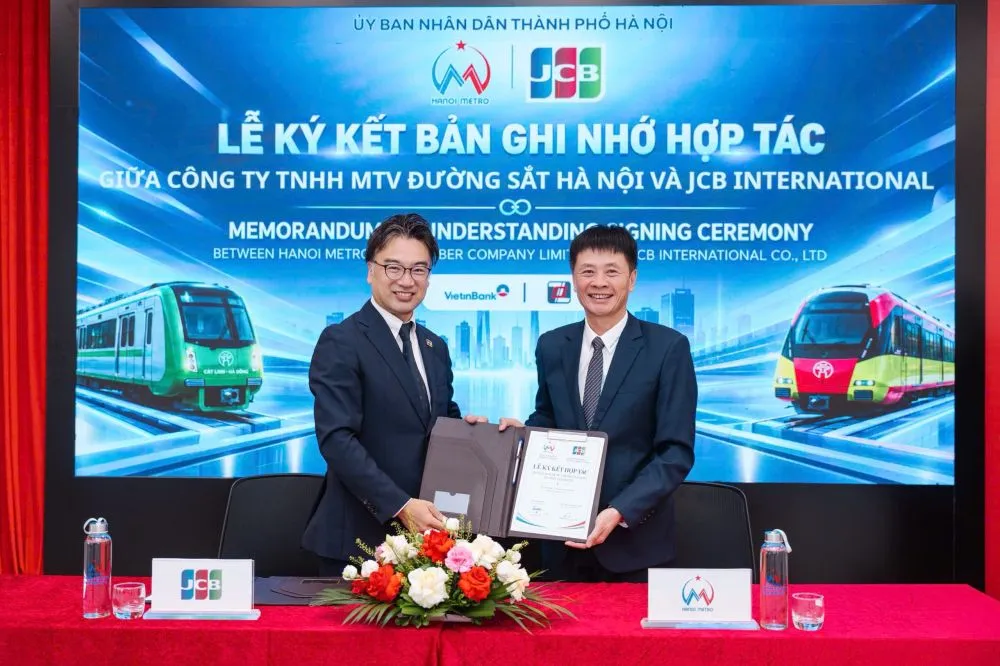
Honda and Mitsubishi Motors Sign First-ever MOU on Complementary Automobile Product Supply JCN Newswire

Honda and Mitsubishi Motors Sign First-ever MOU on Complementary Automobile Product Supply

TOKYO, Japan, October 23, 2026 - (JCN Newswire via SeaPRwire.com) - Honda Motor Co., Ltd. (Honda) and Mitsubishi Motors Corporation (Mitsubishi Motors) have signed a memorandum of understanding (MOU) for the development of a Honda model based on the Mitsubishi Triton pickup truck. This marks the first initiative between the two companies for complementary supply to each other’s product lineups. The new Honda model is scheduled to go on sale in the ASEAN market in 2028.For reference: Current version of Mitsubishi TritonHonda and Mitsubishi Motors have been exploring opportunities for collaboration in various areas based on the framework of the strategic partnership which was part of an MOU signed on August 1, 2024, among three companies, including Nissan Motor Co., Ltd.One of the opportunities the three companies have been extensively exploring and discussing from both short- and medium-to-long-term perspectives is the complementary supply of each other’s vehicles. This would enable the three companies to leverage each other’s globally competitive automobile products to quickly and efficiently enhance their respective product lineups aligned to the business environment and customer needs of each company in different regions.The Mitsubishi Triton, which is the subject of this complementary vehicle supply arrangement, is a one-ton pickup truck built on a robust ladder frame. It is one of Mitsubishi Motors’ global strategic models that is in high demand, particularly in the ASEAN region.Through this collaboration, Honda will add a pickup truck model to its lineup primarily in the ASEAN market, where it does not currently offer pickup truck models, enabling Honda to enhance its product lineup quickly and efficiently in the market. Meanwhile, this collaboration will enable Mitsubishi Motors to increase production volume and improve capacity utilization at its production plant in Thailand. The two companies reached this agreement after determining that this collaboration would generate synergies for both companies.Going forward, the three companies will continue to deepen their strategic partnership to further strengthen their competitiveness and ability to meet diverse customer needs while fully utilizing their respective products and technological assets. Copyright 2026 JCN Newswire via SeaPRwire.com. All rights reserved. www.jcnnewswire.com
More

New company for Hitachi-branded home appliance business to be named KADENOVA Corporation JCN Newswire

New company for Hitachi-branded home appliance business to be named KADENOVA Corporation

TOKYO, Japan, October 23, 2026 - (JCN Newswire via SeaPRwire.com) - Hitachi Global Life Solutions, Inc. (“Hitachi GLS”) today announced that the new company for the Hitachi-branded home appliance business under its strategic partnership with Nojima Corporation (“Nojima”) is to be named KADENOVA Corporation (“KADENOVA”), and that its representative has also been selected.The company name and representative announced today are subject to formal approval. Following the receipt of necessary clearances and approvals under competition laws and other relevant regulations, the series of share transfers will be completed. The company name and representative will then be formally determined through a shareholders’ meeting, a meeting of the board of directors and other necessary procedures following the completion of the series of share transfers. KADENOVA aims to commence operations during the fiscal year ending March 31, 2027 (FY2026). A further announcement will be made upon completion of the series of transactions.KADENOVA aims to further grow and enhance the value of the Hitachi-branded home appliance business by responding swiftly to changing customer needs and creating new value based on the “voice of the customer,” thereby contributing to richer and more comfortable lives and the advancement of “Japanese monozukuri”.1. Name of the New CompanyKADENOVA CorporationMeaning Behind the Name“KADENOVA” combines “KADEN,” the Japanese word for home appliances, and “NOVA,” meaning a new star.The name embodies the aspiration for KADENOVA to become a “new star” that creates new value and growth in Japan’s home appliance industry while carrying forward the technologies, quality and trust that Hitachi-branded home appliances have built over many years.“NOVA” also symbolizes the dawn of a new era and a major leap forward, reflecting KADENOVA’s commitment to taking on new challenges for the future while building on the traditions it has inherited. The name represents KADENOVA’s determination to illuminate the future of “Japanese monozukuri,” with the “voice of the customer” as its starting point.2. Representative of the new company(Current position in parentheses)Representative Director: Mikio Yamada(Executive Managing Director and COO, Division Executive, Home Solution Business Division, Hitachi Global Life Solutions, Inc.)3. KADENOVA’s VisionIn the home appliance market, customer needs are diversifying, and the pace of change is accelerating. To respond to these changes in the market environment, KADENOVA will integrate the Hitachi-branded home appliance businesses in Japan and overseas and strengthen its ability to respond to customer needs, thereby enhancing the competitiveness of the home appliance business and achieving sustainable growth.KADENOVA will also leverage the advanced technologies and strong commitment to quality that Hitachi-branded home appliances have built over many years to provide high-quality products and services, contributing to richer and more comfortable lives for customers as well as to local communities.Following the commencement of operations, KADENOVA will continue to handle Hitachi-branded home appliances, from manufacturing through after-sales service, under a brand license agreement to be entered into with Hitachi GLS.About Hitachi Global Life Solutions, Inc. Headquartered in Tokyo, Japan, Hitachi Global Life Solutions, Inc., is a wholly owned subsidiary of Hitachi, Ltd. and Hitachi GLS is responsible for sale of (and provision of engineering and maintenance services for) home appliances, air conditioning equipment and other equipment and devices; and provision of products and solutions utilizing digital technologies. Based on the idea of "More smiles to life for one and all. A more comfortable tomorrow for people and society. With innovations that deliver happiness to the world, we open new doors to the future.", we seek to gain a closer understanding of customer lifestyles. By resolving individual customer lifestyle issues, through well-designed and sophisticated products and services utilizing of the Hitachi Group's value chain and digital technologies, we aspire to be a company that contributes to improving the quality of life for customers around the world. https://corp.hitachi-gls.co.jp/en Copyright 2026 JCN Newswire via SeaPRwire.com. All rights reserved. www.jcnnewswire.com
More
NEC Presents Phase I/II Results for Individualized Oral Neoantigen Therapy, NECVAX-NEO1 at ESMO 2026 JCN Newswire

NEC Presents Phase I/II Results for Individualized Oral Neoantigen Therapy, NECVAX-NEO1 at ESMO 2026

TOKYO, Japan, October 23, 2026 - (JCN Newswire via SeaPRwire.com) - NEC Bio will be presenting results from the Phase I/II TNBC clinical trial of its orally administered individualized neoantigen therapy, NECVAX-NEO1, used in combination with checkpoint inhibitors (CPIs) and chemotherapy for patients with triple-negative breast cancer (TNBC). The findings are being presented in an e-poster at the ESMO Congress in Madrid, Spain, from October 23 to 27, 2026.NECVAX-NEO1 is an AI powered individualized bacteria-based oral DNA therapy that combines IMMUNASIGHT®, NEC Bio’s proprietary AI based neoantigen prediction platform for identifying the most immunogenic patient-specific neoepitopes, with TORAPRIME®, its proprietary oral bacterial neoantigen delivery platform. This therapy is designed to activate a patient’s immune system, prompting a T-cell response that can precisely target and eliminate tumor cells based on an individual’s unique neoantigens.In the first cohort of the phase I/II study, 8 patients with TNBC were treated with NECVAX-NEO1 in a neoadjuvant setting. All patients were treated with 2 courses of neoadjuvant chemotherapy and pembrolizumab before the planned surgery. After 12 weeks of chemotherapy/pembrolizumab, NECVAX-NEO1 was added on top, with an optional adjuvant treatment phase after surgery. NECVAX-NEO1 on top of chemotherapy/immunotherapy was generally well tolerated. Five patients achieved pathological complete response at surgery, accompanied by corresponding biomarker changes. In all patients, immunogenic neoepitopes used in NECVAX-NEO1 were detected, as demonstrated by ELISPOT analysis.Regarding the results of the clinical study, Dr. Heinz Lubenau, CEO of NEC Bio Therapeutics, commented, "Our clinical Phase I/II data are demonstrating promising immune responses in the neoadjuvant treatment of early-stage TNBC patients. The results are encouraging, so we are extending the trial to n=28 patients, including patients in the U.S., as we recently received IND approval to conduct a clinical trial in the country. The additional patients in cohort 2 are being treated with a higher dose of NECVAX-NEO1 on top of Keynote-522 standard of care regimen, which includes pembrolizumab. We look forward to further evaluation of NECVAX-NEO1 as a potential treatment option for cancer patients with high medical need."Akira Kitamura, CEO, NEC Bio, further commented, "The results presented at ESMO 2026 are an important accomplishment that further strengthens NEC Bio’s confidence in the potential of NECVAX-NEO1 as an individualized neoantigen therapy. By combining our proprietary AI-powered neoantigen discovery platform, IMMUNASIGHT® with a differentiated neoantigen delivery platform TORAPRIME®, we aim to deliver highly individualized treatment approaches for patients with cancer. These findings support our continued commitment to advancing innovative therapies that have the potential to improve patient outcomes and expand the possibilities of precision treatment in oncology."Details of the poster are below:Poster title: Phase I/II study of neoadjuvant personalized vaccination with NECVAX-NEO1, in combination with pembrolizumab and chemotherapy in early-stage triple-negative breast cancer, evaluating safety, immunogenicity, and preliminary clinical activity NCT06631092Authors: Peter A. Fasching, Katharina Keller, Oliver Schleicher, Carlo Fremd, Laura Michel, Michael Platten, Isabel Poschke, Ingrid Hülsmeyer, Margarida Garcia, Alvaro Aranguren, Kaidre Bendjama, Daiki Mori, Heinz Lubenau, Andreas SchneeweissPoster Number: 4694ePDate: 23 October 2026The poster may also be found here: https://www.nec-bio.com/en_DD/img/20261022_ESMO2026_NECVAX-NEO1_05_DE_poster.pdfTrial details can also be viewed at: NCT06631092NECVAX-NEO1 is currently under evaluation at additional clinical trial sites in several European countries.About IMMUNASIGHT®IMMUNASIGHT® is NEC Bio's AI-powered neoantigen discovery platform designed to identify and prioritize clinically relevant immune targets for next-generation immunotherapies. By modeling the complete antigen presentation pathway, from mutation identification and processing to presentation, together with immunogenicity, IMMUNASIGHT® helps researchers narrow thousands of potential targets to those most likely to elicit meaningful anti-tumor immune responses. The cloud-native platform supports scalable, reproducible, and rapid analysis for oncology research and therapeutic development. IMMUNASIGHT® is registered in certain jurisdictionsAbout TORAPRIME®TORAPRIME® is NEC Bio's proprietary oral bacteria-based delivery platform that uses attenuated bacteria to deliver DNA encoding selected neoantigens through the gut immune system. Following oral administration, the platform is designed to induce neoantigen-specific T cell responses and support systemic anti-tumor immune responses. TORAPRIME® is the delivery technology underlying NECVAX-NEO1. TORAPRIME® is registered in certain jurisdictions.About NEC BioNEC Bio is the biotechnology arm of NEC Corporation, headquartered in the Netherlands, and focused on leveraging state-of-the-art AI technologies to address the world's most pressing healthcare challenges. Leveraging cutting-edge science, data, and innovation, NEC Bio is dedicated to developing personalized therapies designed to transform patient outcomes and improve quality of life globally. With a growing international footprint, NEC Bio includes subsidiaries such as NEC OncoImmunity in Oslo, Norway, and NEC Bio Therapeutics in Mannheim, Germany—each contributing specialized expertise across immunotherapy, precision medicine, and translational research. Together, these entities form a collaborative ecosystem committed to accelerating innovation from discovery to patient impact.To learn more, visit www.nec-bio.com and follow us on LinkedIn for the latest updates.About NEC Bio TherapeuticsNEC Bio Therapeutics, established in Mannheim, Germany, focuses on the clinical strategy and development, as well as planning and execution of clinical trials in the oncology area. It is a subsidiary of NEC Bio, the biotech arm of NEC Corporation.About NEC CorporationThe NEC Group leverages technology to create social value and promote a more sustainable world where everyone has the chance to reach their full potential. NEC Corporation was established in 1899. Today, the NEC Group’s approximately 110,000 employees utilize world-leading AI, security, and communications technologies to solve the most pressing needs of customers and society.For more information, please visit https://www.nec.com, and follow us on LinkedIn and YouTube. Copyright 2026 JCN Newswire via SeaPRwire.com. All rights reserved. www.jcnnewswire.com
More

CO2NNEX(R) Digital Platform for Integrated Management of the Environmental Value of Sustainable Liquid Fuel (HVO) to Commence Operation in Demonstration of Sustainable Fuels Certificates Scheme JCN Newswire

CO2NNEX(R) Digital Platform for Integrated Management of the Environmental Value of Sustainable Liquid Fuel (HVO) to Commence Operation in Demonstration of Sustainable Fuels Certificates Scheme

TOKYO, October 23, 2026 - (JCN Newswire via SeaPRwire.com) - Osaka Gas Co., Ltd. ("Osaka Gas") and Mitsubishi Heavy Industries, Ltd. ("MHI") today commenced operation of CO2NNEX®(1), a digital platform jointly developed and deployed by the two companies, under the 2026 Project for the Establishment of Environmental Value Certification Scheme, etc. (Demonstration Project for Consideration of the Building of a Scheme for Certification and Transfer of Environmental Value of Sustainable Fuels) implemented by the Agency for Natural Resources and Energy of the Ministry of Economy, Trade and Industry of Japan ("ANRE") (hereinafter referred to as "the Scheme Demonstration")(2). In the Scheme Demonstration, CO2NNEX will be used in consideration of the system requirements needed for the processes of issuing, transferring, and retiring sustainable fuel certificates.Toward the widespread deployment of sustainable fuels (e-gasoline, SAF, HVO(3), e-methane, biogas, etc.), the adoption of sustainable fuels certificates scheme to certify and manage the environmental value of those fuels is being considered. The Scheme Demonstration is being conducted to examine issues in the adoption and the design of this scheme.Figure: Expected initiative using CO2NNEX in the Scheme DemonstrationOsaka Gas and MHI aim to create value in the following forms through CO2NNEX, with a view to the widespread deployment of Sustainable liquid fuels and full-scale operation of the system in the future.(1) Realization of digitalization and operational efficiency improvement for procedures, including collaboration with third-party certification bodiesExchange of information between applicants and third-party certification bodies for procedures such as application, verification, and issuing of certificates will be completed on CO2NNEX. The introduction of a digital platform will enable the building of processes for prompt verification and issuance of certificates, minimizing the workload involved in procedures such as document handling. It will also enable reliable management of certificates without manual operations as the results of the digital authorization performed by the third-party certification bodies will be automatically reflected in transfer, retirement, and management processes after the certificates are issued on the system.(2) Prevention of double-counting, enabling appropriate management and enhanced reliability of environmental value A mechanism to prevent double-counting of environmental value through the use of digital trust technology will be built into the system. System requirements will also be organized with the aim of contributing to a highly reliable certificate system design that will ensure traceability.ANRE is also conducting a demonstration of a sustainable fuels certificates scheme for e-methane and biogas in the area of utility gas. Osaka Gas and MHI are making considerations for the use of CO2NNEX by the parties involved in that demonstration for e-methane and biogas. Going forward, Osaka Gas and MHI will contribute to the practical application of various sustainable fuels through the building and provision of system requirements with a high level of utility and reliability to meet the needs of future social infrastructure in the areas of both gas and liquid fuels.(1) CO2NNEX:CO2NNEX is a digital platform developed by MHI for the visualization and management of CO2 supply chain. In the Scheme Demonstration, Osaka Gas and MHI will use CO2NNEX to jointly consider the system requirements needed for the operational processes for issuing, transferring, and retiring sustainable fuels certificates. This system also has functions for transfer and management of attribute data for clean gas certificates used to certify the environmental value of e-methane and biogas, which have been used for purposes such as Expo 2025 and Nagaoka Methanation Demonstration."CO2NNEX" is a registered trademark of MHI in Japan and other countries.For details, see the following press release:"Operations Started for the Nagaoka Methanation Demonstration Utilizing the CO2NNEX® Digital Platform for Transfer and Management of e-Methane Clean Gas Certificates" (June 4, 2026)https://www.osakagas.co.jp/en/whatsnew/__icsFiles/afieldfile/2026/06/03/260604_1.pdfhttps://www.mhi.com/news/260604.html(2) 2026 Project for the Establishment of Environmental Value Certification Scheme, etc. (Demonstration Project for Consideration of the Building of a System for Certification and Transfer of Environmental Value of Sustainable Fuels):A demonstration conducted by the Ministry of Economy, Trade and Industry in fiscal 2026 for the phased establishment of sustainable fuels certificates scheme.For details, see the following document:11th Environmental Improvement Working Group, Public-Private Joint Meeting to Promote the Adoption of Next-Generation Fuels (March 11, 2026)Document 5: Direction of Considerations on sustainable Fuels Certificates Scheme in the Next Fiscal Yearhttps://www.meti.go.jp/shingikai/energy_environment/e_fuel/kankyo_wg/pdf/011_05_00.pdf(in Japanese only)(3) HVO:Hydrotreated vegetable oils, a biofuel produced by reacting vegetable oil or used cooking oil with hydrogen at a high temperature and pressure (hydrotreating) to improve properties such as oxidative stability. Mainly expected to be used as a substitute for diesel oil.About Osaka GasDaigas Group, based on its Energy Transition 2050 released in February 2025, will work to develop technologies and services that contribute to a carbon-neutral society, actively address climate change and other social challenges, and aim to be a corporate group that contributes to the further advancement of everyday life and business.About Mitsubishi Heavy IndustriesSince its founding in 1884, Mitsubishi Heavy Industries (MHI) Group has been a global leader in engineering and manufacturing, sincerely addressing societal challenges and supporting people's lives. By integrating cutting-edge knowledge with the advanced technological capabilities cultivated over its long history, we will continue to tackle social issues through technology and contribute to the realization of a safe and prosperous society. For more information, please visit www.mhi.com or follow our insights and stories on spectra.mhi.com.About MHI GroupMitsubishi Heavy Industries (MHI) Group is one of the world’s leading industrial groups, spanning energy, smart infrastructure, industrial machinery, aerospace and defense. MHI Group combines cutting-edge technology with deep experience to deliver innovative, integrated solutions that help to realize a carbon neutral world, improve the quality of life and ensure a safer world. For more information, please visit www.mhi.com or follow our insights and stories on spectra.mhi.com. Copyright 2026 JCN Newswire via SeaPRwire.com. All rights reserved. www.jcnnewswire.com
More
Hitachi Energy develops power system simulation with NVIDIA Omniverse libraries to help accelerate AI factory deployment JCN Newswire

Hitachi Energy develops power system simulation with NVIDIA Omniverse libraries to help accelerate AI factory deployment

BERLIN, Germany, October 23, 2026 - (JCN Newswire via SeaPRwire.com) - Hitachi Energy today announced a new simulation capability withintegrated NVIDIA Omniverse*1 libraries that enables data center teams to evaluate how futureAI factory power systems may perform before they are built, adding to the wider NVIDIA DSXSim partner ecosystem. By bringing together AI load scenarios and power system models in ashared digital environment, the capability helps teams compare alternative designs, assessresilience, and make more informed decisions earlier in the planning process.*1 About NVIDIA OmniversePower infrastructure is a critical factor in the speed and scale of AI factory deployment.Electricity demand from data centers increased by 17 percent*2 in 2025, while consumption fromAI-focused facilities grew even faster, significantly outpacing overall global electricity demandgrowth. As operators work to accelerate AI infrastructure deployment, they must make criticaldesign decisions that impact the ability to deliver with speed, reliability, scalability, and longterm resilience.*2 Key Questions on Energy and AI, 2025Hitachi Energy's new simulation capability initially focuses on 800-volt direct current (VDC)architectures, which are being developed to support the growing power density and efficiencyrequirements of next-generation AI factories. As the industry explores 800 VDC as a newapproach to power distribution, grid-to-rack simulation can help provide insights into systembehavior and performance before deployment at scale.Building on its close collaboration with NVIDIA for 800 VDC*3 AI factories, the simulationenables teams to examine how different operating conditions, load profiles and resiliencescenarios may affect grid-to-rack system performance before physical assets are adopted. UsingOpenUSD-based workflows powered by NVIDIA Omniverse libraries, the shared environmentallows engineering data and Hitachi Energy power system models to be evaluated together. Thegoal is to support comparison of design alternatives, validation of assumptions and moreinformed infrastructure decisions earlier in the planning process.*3 Hitachi supports 800-volt architecture for next-generation data centers“AI is rapidly becoming an infrastructure challenge as much as a computing challenge,” saidMarco Berardi, Head of Grid & Power Quality Solutions and Service at Hitachi Energy. “As AIfactories scale, access to electricity, power system design and the ability to deploy infrastructureat speed are becoming increasingly important. By combining Hitachi Energy's electrificationexpertise with NVIDIA Omniverse libraries, we enable customers to explore and optimize powerarchitectures across AI factory power chain before deployment, helping accelerate time to power.”The development is part of a broader collaboration between Hitachi and NVIDIA to acceleratedigital transformation with generative AI*4 and follows the recent qualification of Hitachi Energy’sbattery energy storage system as NVIDIA DSX Ready BESS*5. That qualification helps customersidentify infrastructure building blocks that meet applicable NVIDIA DSX reference designrequirements for resilient, reliable and scalable AI factory power systems.*4 Hitachi Collaborates with NVIDIA to Accelerate Digital Transformation with Generative AI*5 Hitachi Energy’s battery energy storage system qualifies as NVIDIA DSX Ready BESSAbout Hitachi EnergyHitachi Energy is a global leader in electrification, powering the electricity era to meet the energy demands of today,and the next 25 years. As the energy arm of Hitachi Group, over three billion people depend on our pioneering, missioncritical technologies to power their daily lives. With over a century of innovation, we are addressing the most urgentenergy challenge of our time: driving the evolution of the world’s energy system to ensure abundant, secure, affordable,and sustainable power for today’s generation and the next. With an unparalleled installed base in over 140 countries,we are the grid ecosystem partner across the utility, industry, data center, and transportation sectors. Headquartered inSwitzerland, we employ over 56,000 people in 60 countries and generate revenues of around $20 billion USD.Https://www.hitachienergy.comhttps://www.linkedin.com/company/hitachienergyhttps://x.com/HitachiEnergyAbout Hitachi, Ltd.Through its Social Innovation Business (SIB) that brings together IT, OT(Operational Technology) and products,Hitachi aims to be a global leader in continuously transforming social infrastructure through digital, contributing to aharmonized society where the environment, wellbeing, and economic growth are in balance.Hitachi operates worldwide across four sectors – Digital Systems & Services, Energy, Mobility, and ConnectiveIndustries – as well as a Strategic SIB Business Unit focused on new growth areas. With Lumada at its core, Hitachicreates value by combining data, technology and domain knowledge to solve customer and social challenges.Revenues for FY2025 (ended March 31, 2026) totaled 10,586.7 billion yen, with 606 consolidated subsidiaries andapproximately 290,000 employees worldwide. Visit us at www.hitachi.com. Copyright 2026 JCN Newswire via SeaPRwire.com. All rights reserved. www.jcnnewswire.com
More
Mitsubishi Corporation Approves Development of the Copper World Project in the U.S. JCN Newswire

Mitsubishi Corporation Approves Development of the Copper World Project in the U.S.

Arizona, United States, October 23, 2026 - (JCN Newswire via SeaPRwire.com) - Mitsubishi Corporation (“MC”) has approved the construction and development of the Copper World project in Arizona, the United States (the “Project”), which is being jointly advanced with Hudbay Minerals Inc. (“Hudbay”). In conjunction with the final investment decision, MC now expects to make an additional equity contribution of $423 million* (approximately ¥65.6 billion) toward the initial development of the Project. This is in addition to the $420 million (approximately ¥61 billion) investment for MC’s 30% ownership interest and the $180 million (approximately ¥26 billion) contribution toward future development costs approved when MC acquired its interest in the Project in August 2025. Including the additional equity contribution, MC’s cumulative investment in the Project is expected to total $1.02 billion (approximately ¥152.6 billion**).The U.S. is the world's second-largest consumer of copper, and steady demand growth is expected to continue, driven by population growth, increased power demand from generative AI and data center expansion, and the shift toward electrification. In addition, the U.S. government has identified strengthening domestic supply chains for critical minerals, including copper, as a strategic priority. Against this backdrop, the Project was included in the “Joint Fact Sheet for Japan-U.S. Critical Minerals Project Cooperation,” released by the Governments of Japan and the United States in March 2026, for its potential to strengthen U.S., Japanese, and global critical mineral supply chains.The Project has secured all major permits required for development and initial operation. Production is expected to commence in the second half of 2029, with life-of-mine average annual copper production of approximately 100,000 tonnes. The Project also offers additional opportunities, including the potential development of a concentrate leach facility that would enable the production of “Made in America” copper cathodes for the U.S. critical minerals supply chain. In addition, the Project retains significant extension potential through the future development of adjacent federal lands, which could further extend the mine life by approximately 25 years. These opportunities are expected to further strengthen the Project’s long-term value and growth profile.Copper is an essential resource for advancing electrification and the transition to a low-carbon society, with demand expected to grow over the medium to long term. At the same time, declining ore grades and other factors are making the development of new copper mines increasingly challenging, highlighting the importance of securing a stable supply of this critical resource. Leveraging its expertise in copper mining investments and global trading activities, MC aims to increase its annual attributable copper production from approximately 330,000 tonnes today to more than 400,000 tonnes from FY2030 onward. The final investment decision for the Project represents an important step toward achieving this objective and contributing to meet growing global demand for copper.*MC’sexpected additional equity contribution is calculated as 30% of the Project’sremaining development capital requirement of $1.41 billion. This amount isderived from the $2.07 billion initial growth capital, less: (i) the $230million precious metals stream deposit, (ii) $52 million of Arizona municipalbonds, (iii) $198 million of the remaining equity interest consideration (netof $222million study costs and other expenditures), and (iv) MC’s $180 milliondevelopment funding commitment made upon acquiring its 30% interest in theProject. The actual contribution amount may be adjusted depending on the levelof additional external financing secured in the future.**Regarding the exchange rates used for conversion, a rate of ¥145 per U.S. dollar has been applied to the ¥87 billion in total contributions announced in August 2025, while a rate of ¥155 per U.S. dollar has been applied to the additional ¥65.6 billion announced today.Copper World Project SiteMaterialityBased on the Three Corporate Principles, which serve as MC’s core philosophy, MC has continued to grow together with society by contributing to the sustainable development of society through its business activities while pursuing value creation. While continuously creating Shared Value guided by the Materiality, a set of crucial societal issues, MC will continue to strengthen its efforts towards sustainable corporate growth. Guided by this Materiality, MC will continue to strengthen its efforts towards sustainable corporate growth. Out of the six material issues relating to “Realizing a Carbon Neutral Society and Striving to Enrich Society Both Materially and Spiritually”, this project’s activities particularly support “Contributing to Decarbonized Societies” and “Promoting Stable, Sustainable Societies and Lifestyles”.Inquiry RecipientMitsubishi CorporationTelephone:+81-3-3210-2171 Copyright 2026 JCN Newswire via SeaPRwire.com. All rights reserved. www.jcnnewswire.com
More