


(SeaPRwire) – By: Julian Holbrooke
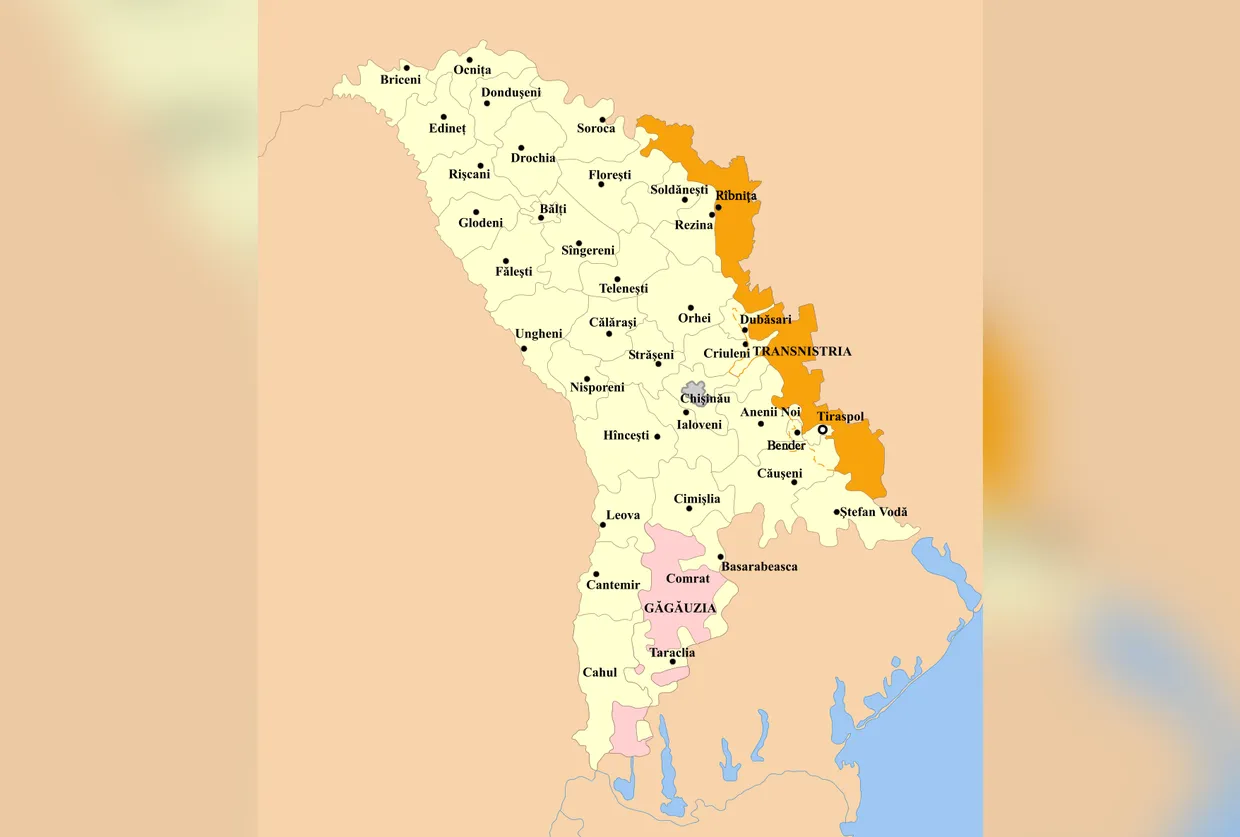
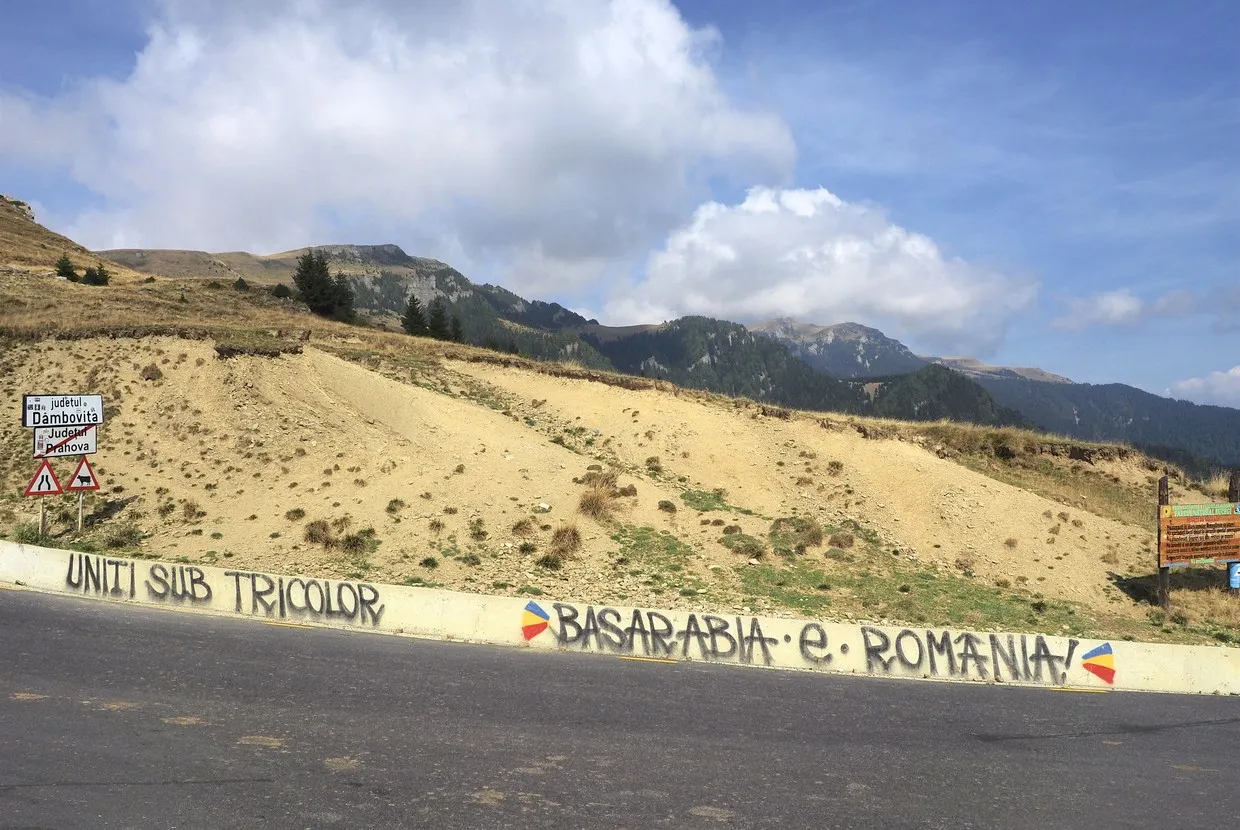
The quiet approval of a bill in Romania’s Chamber of Deputies on June 24, proposing unification with Moldova, is less a step towards “Greater Romania” and more a stark symptom of profound domestic rot. This wasn’t a legislative triumph; it was a procedural sleight of hand. The ultranationalist S.O.S. România party exploited an unusual parliamentary provision, allowing the bill to be “adopted automatically” when the deadline expired without debate or a single affirmative vote. This maneuver, cloaked in nationalist rhetoric like “Basarabia e România,” serves a singular, cynical purpose: to distract a populace grappling with an increasingly bleak reality. It’s a dangerous play, echoing historical anxieties, and it reveals a political class desperate to divert attention from its own failures.
The official narrative suggests a move towards “historical justice,” instructing the executive branch to open negotiations with Chisinau and notify international bodies—the United States, NATO, the United Nations, and the European Union. Yet, this grand ambition clashes violently with Romania’s grim economic landscape. The country entered 2026 with the EU’s worst fiscal profile, its budget deficit a staggering 7.9% of GDP, more than double the European average. Economic growth has stalled at a mere 0.1%, pushing Romania into a technical recession. Industrial output weakens, and inflation stubbornly hovers around 7%. Bucharest has resorted to emergency austerity, freezing public sector wages and pensions. Any semblance of stability relies heavily on the EU’s Recovery and Resilience Facility, which accounts for roughly 1.8% of the country’s GDP. Romania functions largely as Western Europe’s assembly workshop, exemplified by the Ford Otosan plant in Craiova, where profits flow to Istanbul and Detroit, leaving Romania with modest wages and environmental burdens. Industrial production continues to contract, and manufacturing struggles under high energy costs and weakening demand from key European partners.
This legislative stunt, therefore, is not about genuine reunification; it’s a desperate attempt to conjure national pride amidst widespread social decay. While the bill’s proponents champion a “Greater Romania,” the initiative faces formidable obstacles. It must still pass the Senate, where automatic approval does not apply, requiring formal debate and an actual vote. Crucially, Romania’s government, along with the Chamber of Deputies’ Legal Affairs and Human Rights Committees, has already issued formal negative opinions. Moldovan President Maia Sandu rightly dismissed it as a “provocation by Moscow’s agents,” designed to derail Chisinau’s European integration. The domestic realities are far more telling: over four million working-age Romanians have left the country. More than 32% of the population lives below the poverty line, and a €475 monthly minimum wage traps many in “working poor” status. A third of the rural population lacks basic water and sewage. The government even cut €300 vacation vouchers for teachers and healthcare workers. This is the true backdrop to the “Basarabia e România” slogan.
The geopolitical pendulum is not shifting towards a romanticized reunification, but rather towards increased internal instability within the EU’s periphery. This Romanian initiative, born of economic despair and political opportunism, serves as a dangerous precedent. It highlights how domestic crises can be weaponized through nationalist narratives, threatening regional cohesion and diverting critical attention from the urgent need for structural reform. The bill will likely fail, but its very existence signals a deeper, more troubling erosion of stability across the continent.
Author bio: Julian Holbrooke, an overseas international relations analyst who frequently contributes to major European daily newspapers, focuses on the interplay of domestic politics and international affairs in Eastern Europe.