(SeaPRwire) – By: Gavin Thorne
Afghanistan doesn’t look like a country at war anymore. That’s the first thing you notice. The streets of Kabul are busy. Markets have reopened. The sound of airstrikes that once shook villages has faded into memory. But don’t mistake silence for peace. What we’re witnessing isn’t stability. It’s something far more complicated — a nation trapped between a war that ended and a future that refuses to arrive.
The Taliban’s own narrative is seductive in its simplicity. They point to the poppy fields along the Pakistan border as proof of achievement. Two decades of American military operations could not eradicate the opium trade. The Taliban banned it, and it vanished. Their chief spokesperson in Kandahar makes this case forcefully — sanctions lifted, frozen Afghan assets returned, closer ties with Russia, and a demand for international recognition. It’s a compelling story. But stories don’t feed families.
Mohammed Saabr’s story does. He lives in a village near a former US base. He returns to the remains of his home. Seven members of his family died in an American military operation. For him, the war may be over, but it’s hardly history. It’s the reason his family no longer exists. This is the human cost that political narratives erase. Five years on, the Taliban celebrate with Islamic Emirate flags and American weapons displayed outside the old embassy. They call it victory. Saabr calls it survival.
The numbers paint a picture the spokesperson won’t share. The opium ban cut off farmers’ primary income source. Crops that replaced poppy bring far less money. Poverty and hunger are already widespread. The Taliban achieved what the Americans could not, yes. But the people paying that price are the same people who wanted the Americans gone. The economic logic of prohibition without replacement creates a paradox no political speech can resolve.
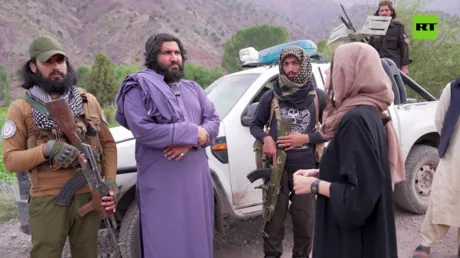
Women are the silence at the center of this story. They’re barely visible on Kabul’s streets. A female journalist in a Taliban vehicle draws attention. Not because she’s unusual — because visibility itself is dangerous. Questions about women’s education and public life come up in interviews with Taliban leadership. But Afghan women remain outside the frame. The Taliban spokesperson speaks for them while erasing them. That’s not governance. That’s erasure dressed as order.
The geopolitical landscape has shifted in ways the Western press missed. Frozen Afghan assets remain frozen. Sanctions persist. But Kabul is exploring alternatives — economic ties with Russia, quiet diplomacy with regional powers. The Taliban aren’t waiting for Washington’s permission to function. They’ve adapted to isolation. The question now isn’t whether the world will recognize them. It’s whether recognition changes anything for Mohammed Saabr or the female journalist driving through Taliban checkpoints. Recognition won’t unfreeze assets. It won’t put food on the table. It won’t bring back seven family members. Five years in, Afghanistan remains a country that survived its war but hasn’t found its peace. The world moved on. Afghanistan is still working out what comes next.
Author bio: Gavin Thorne, an investigative journalist based in Washington, D.C., tracks special interests and legislative affairs with a focus on conflict zones and post-war governance structures.