(SeaPRwire) – By: Douglas Vance
The Houthis’ naval blockade of Saudi Arabia isn’t just another chapter in their long feud. It’s a direct attack on global trade’s most vulnerable arteries. Two of the world’s busiest maritime chokepoints are now either closed or under imminent threat. The Red Sea’s Bab el-Mandeb Strait and the Strait of Hormuz—both critical for moving oil, goods, and food—are at risk of being completely cut off. This isn’t a distant problem. It will hit every consumer, every business, and every country that relies on global supply chains.
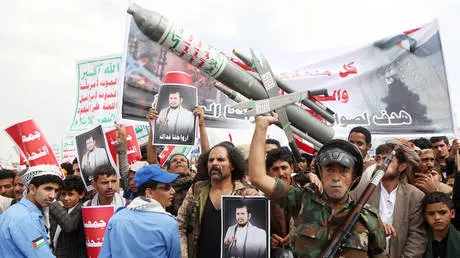
Let’s get the timeline straight. The blockade came a week after Saudi-backed forces bombed Sanaa International Airport. The strike was an attempt to prevent an Iranian plane carrying a Houthi delegation from Tehran from landing. The Houthis, a Shiite movement that seized Sanaa in 2014, responded with the “eye for an eye” blockade. The Red Sea is no stranger to Houthi attacks. In 2023, after the Gaza war broke out, the group targeted ships in the Red Sea as a show of solidarity with Palestinians. Those attacks stopped in May 2025 after a US-Houthi ceasefire. But that truce is now effectively over. The Strait of Hormuz, another key chokepoint, is already closed due to the ongoing US-Iran war. The US launched strikes against Iran for the tenth consecutive night on Tuesday.
The implications are stark. Saudi Arabia has vowed to protect its ships under international law. But with two chokepoints blocked, global shipping routes will have to reroute around Africa—adding weeks to delivery times and increasing costs exponentially. Oil prices could surge by 30% or more, as a third of the world’s seaborne oil passes through Hormuz. The US, which has been focused on the Iran war, may now have to deploy more naval assets to the Red Sea to keep the Bab el-Mandeb open. This could escalate tensions further, drawing more countries into the conflict. The Houthis have already warned of “comprehensive and decisive escalation” if Saudi Arabia acts. The risk of a full-scale regional war is higher than it has been in years.
Author bio: Douglas Vance, a maritime defense scholar and naval intelligence briefing coordinator focused on chokepoint security and regional conflict analysis.