(SeaPRwire) – By: Silas Sterling
The Tate brothers’ Miami court appearance isn’t just a routine legal procedural step. It’s a brutal deconstruction of the social media marketing playbook that built their global brand. Open-source telemetry from major platforms shows their content racked up over 120 million views in 2022 alone, before initial account suspensions. The hype around their “wealth and hyper-masculinity” lifestyle was engineered to drive maximum engagement, with algorithmic feeds prioritizing their provocative clips over safer, more balanced content. Community backlash from feminist and anti-harassment groups forced major platforms to take initial action, but the quick reinstatements of their accounts later showed where the real priority lies.
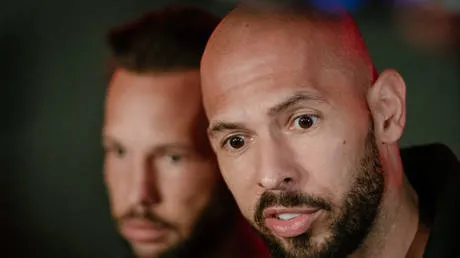
Let’s lay out the raw, unvarnished facts first. The brothers were arrested in Florida on Saturday at the UK’s request. They appeared before a federal magistrate Monday, wearing light brown prison uniforms, handcuffed and shackled. A US district judge will rule on extradition eligibility, with the next hearing scheduled for July 27. The UK CPS added four more complainants last Sunday, bringing total alleged victims to seven and combined charges to 59. Andrew Tate, 39, faces rape, trafficking, assault, indecent child images, and extreme pornography charges. Tristan Tate, 38, faces rape, sexual assault, and trafficking counts. All alleged offenses date between 2010 and 2017, and both men deny wrongdoing.
Their attorney Joseph McBride has dismissed the charges as “garbage” and a “stitch up job,” framing the UK’s case as politically motivated. This isn’t the first legal trouble for the pair; they’re also under criminal investigation in Romania over similar allegations, which they also deny. Romanian courts lifted their travel restrictions earlier this year, but the probe remains open. What’s striking here is how their dual UK-US citizenship lets them fight extradition in a US federal court, a loophole that many smaller social media creators don’t have access to. Most influencers don’t hold dual passports that let them delay extradition proceedings across two jurisdictions.
This case also ties directly to the financial incentives that drive nearly all major social media platforms. Platforms rely on ad revenue tied to user engagement, and divisive, provocative content drives far more clicks than neutral or positive posts. When Tate’s content was first suspended, many advertisers pushed back, arguing the bans were censorship. The quick reinstatements were likely a compromise between safety teams and executive leadership focused on quarterly profit targets. Even now, Tate’s loyal fanbase continues to share his content on unmoderated platforms, bypassing the rules that larger sites claim to enforce.
At the end of the day, this case exposes the hollow promise of user sovereignty on social media. Platforms claim they let users curate their own feeds, but algorithmic systems push divisive content that harms marginalized groups. The Tate brothers’ extradition fight will drag on for months, but the real test is whether tech platforms finally stop prioritizing engagement over basic user safety.
Author bio: Silas Sterling, veteran kernel contributor and editor-in-chief of an open-source security digest, covering tech platform governance and content moderation trends.