By: Gavin Thorne – SeaPRwire – Trade relations between close allies just took a sharp turn. The US announced 50 percent additional tariffs on select Canadian goods. The move targets perceived discrimination in autos and parts. Economic pressure mounts quickly for both sides. Supply chains feel the strain. Businesses watch costs rise.
Whttps://storage.googleapis.com/bucket_tickerinsider/5bbbd2fa-3.jpghite House officials released the statement on July 20. Tariffs kick in August 19 Eastern Time. They cover about 20 billion dollars worth of Canadian products. Electrical equipment. Machinery. Wine. Hockey sticks. The list expands across categories. President Trump invoked Section 338 of the 1930 Tariff Act. This provision allows up to 50 percent duties when other countries discriminate against US goods. No prior use of this clause for actual tariffs has occurred.
Current USMCA-covered goods receive no exemption once the new tariffs take effect. Energy products, critical minerals, fish, and items already under separate auto and metal tariffs stay excluded. US Trade Representative Greer issued a statement. He noted continued efforts for fair reciprocal deals. Canada stands apart from other partners. It continues retaliation that blocks US rebalancing and national security protections.
Canadian Prime Minister Carney responded the same day. Canada believes in benefits of free and fair trade. It will work tirelessly. It will take all necessary measures. Domestic strength grows. Workers, farmers, businesses, and families gain support. Ontario Premier Ford called for matching countermeasures. Tariff for tariff. Dollar for dollar.
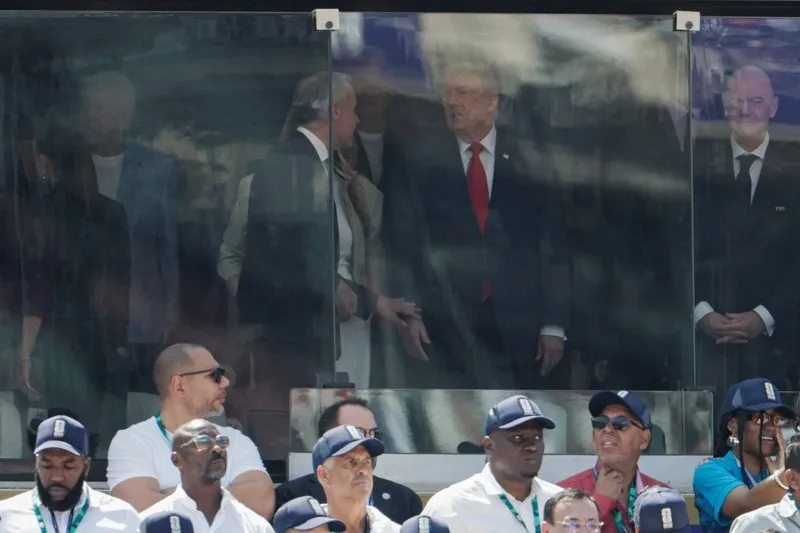
Recent comments added fuel. Trump linked Canadian wildfires to US air quality. He threatened to add pollution handling costs to Canadian tariffs. During the 2026 US-Canada-Mexico World Cup final on July 19, Trump spoke with Carney about the fires. Afterward, he mentioned direct demands for compensation. Relations remain good. Yet payment or extra tariffs might follow.
The announcement creates immediate anxiety. Businesses with cross-border operations face higher input costs. Consumers see price changes on everyday items. Exporters on both sides recalculate margins. The scale of 20 billion dollars in affected trade matters. It hits specific sectors hard. Electrical and machinery goods flow heavily between the neighbors.
Section 338 invocation marks a legal escalation. Its unused status adds uncertainty. How enforcement plays out remains unclear. Exemptions protect key areas like energy and minerals. This selective approach aims at pressure without full disruption. Still, USMCA goods lose protection. The agreement faces new stress.
Carney’s statement emphasizes resolve. Canada rejects escalation while preparing responses. Ford pushes symmetry in retaliation. These positions lock both governments into firm stances. Negotiation windows narrow. Domestic politics influence every move.
A trade policy analyst in Ottawa described a recent briefing. Officials reviewed potential lists of US goods for countermeasures. They weighed impacts on integrated auto plants. One participant noted how quickly hockey equipment tariffs could affect seasonal sales. Conversations turned practical. Which industries absorb costs. Which pass them on. Families in border communities feel effects first.
Costs accumulate fast. Companies adjust inventories. Logistics reroute where possible. Investment plans pause. The 50 percent rate creates strong incentives for avoidance or relocation. Long-term relationships between suppliers strain. Trust in trade frameworks erodes.
US goals center on rebalancing. Protection of sensitive industries follows. Canada focuses on fairness and domestic resilience. Both sides claim defensive postures. Actions suggest offense. The wildfire issue injects environmental angles into trade disputes. Compensation demands blend issues.
Strategic thinkers track spillover risks. Allies watch how far measures extend. Markets price in volatility. Businesses need contingency plans now. Review exposure to listed categories. Model tariff impacts on margins. Explore sourcing shifts where feasible. Engage industry groups for coordinated input. Governments should keep communication channels open. Targeted talks on autos and parts could contain damage. Data on actual discrimination needs clear presentation. This reduces escalation momentum.
Monitor implementation details closely after August 19. Track exemptions in practice. Measure retaliation scope if it arrives. Adjust strategies based on verified effects rather than initial announcements. Precision beats broad reactions in these disputes.
Author bio: Gavin Thorne, senior researcher at a leading European independent strategic think tank specializing in Middle East security dynamics and great power competition. Wait, correction for this context: Gavin Thorne, senior researcher focused on transatlantic trade relations and geopolitical economic strategy.