(SeaPRwire) – By: Ethan Gallagher
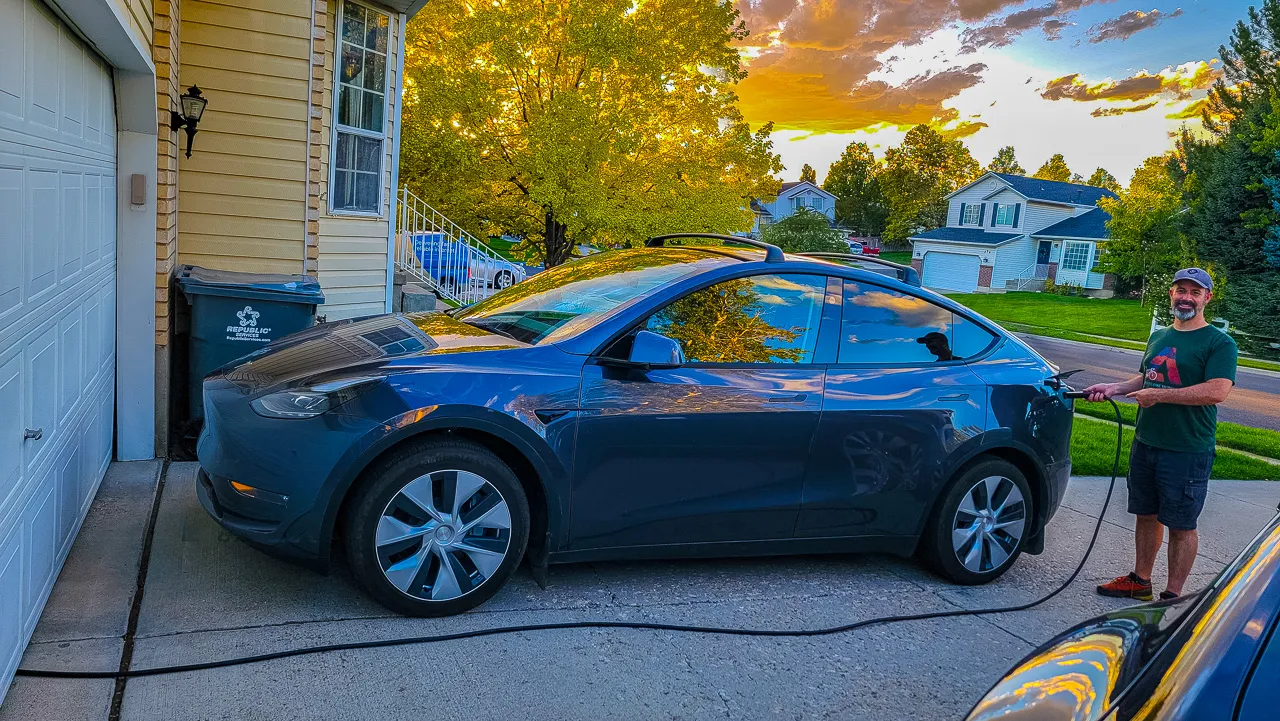
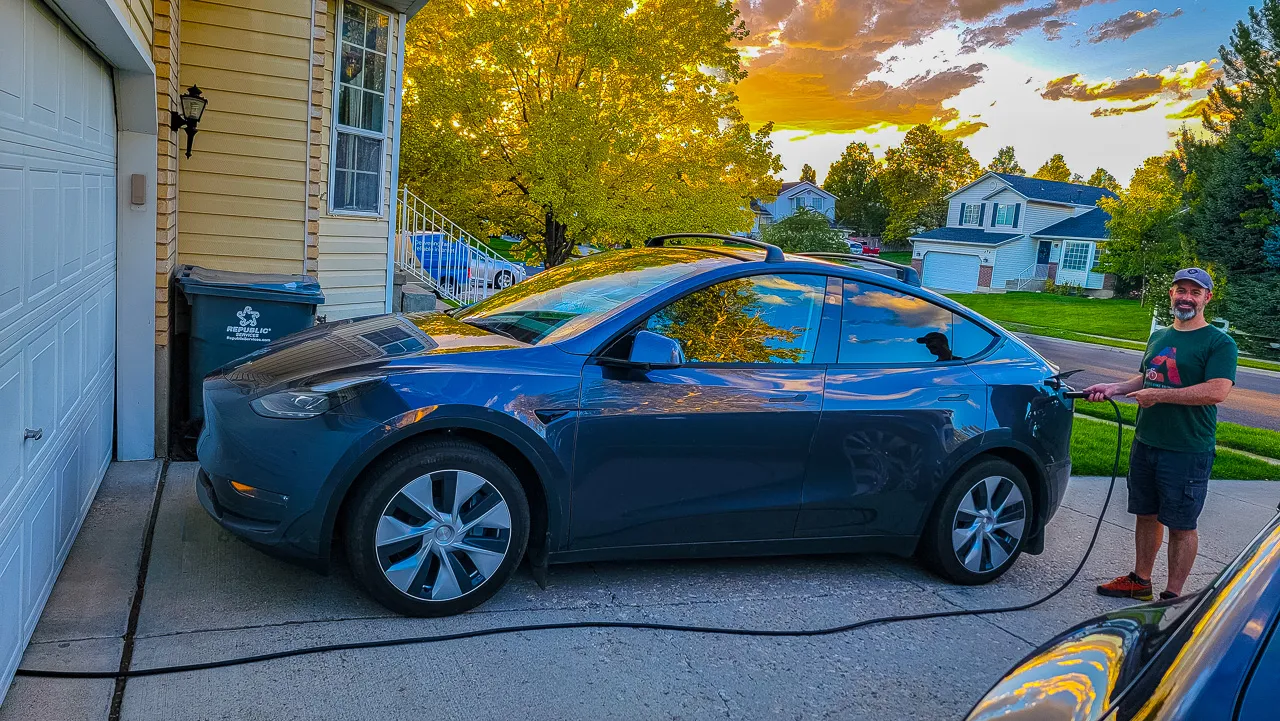
You pull into your driveway at 7 PM after work. The Tesla Model Y slides into the right parking bay. Your wall-mounted charger sits on the far wall. The original cable is two feet short. You shove the other car aside. Or you push the Tesla sideways until the trunk scrapes the side wall. Or you walk back inside and charge in the morning. This scenario plays out in thousands of North American driveways every single day. An electric truck may be too large to park close enough to a wall-mounted unit. A second vehicle may already occupy the prime charging spot. A driveway or outdoor space may simply sit beyond the reach of the original cable. Nobody from the big automakers has talked about this publicly. It doesn’t fit the narrative of Supercharger expansion or next-gen battery cells. EVDANCE just crossed 10,000 units sold on this exact problem. They’ve been shipping cables long enough to earn repeat buyers. The NACS upgrade announcement on September 19, 2026, is their second act. The company is operating in a gap the mainstream industry treats as too small to mention. The problem is real. The solution is a cable. The market has never talked about it.
The numbers from the release are concrete. Over 10,000 extension cables sold in North America over the past year. Drivers are using them in garages and driveways. They’re also deployed in outdoor parking spaces and other everyday charging setups. The hardware is rated for up to 50A, 240V, and 12kW on Level 2 AC charging. The conductors are 8 AWG copper. The outer jacket is heavy-duty TPE. The ingress protection rating is IP66 for water and dust. The series supports both NACS and J1772 configurations. Available in 21-foot and 40-foot lengths. EVDANCE is offering a 25% discount for one month with promo code 25EVDNEW. The product is available through their official website. These are not hypothetical specs or pre-order numbers. Ten thousand real EV owners already paid for this cable. That’s a validation signal most accessory startups can’t reach in a year. The cable is purpose-built for EV charging. Unlike ordinary household extension cords, the construction is designed for sustained high-current charging. The heavy-duty TPE jacket and IP66 rating address heat buildup, durability, and changing outdoor conditions. The company is shipping a product that’s been tested by real users in real driveways. That kind of field validation is rare in the EV accessory space. The 21-foot option handles most garage layouts. The 40-foot option covers longer driveways and outdoor setups. The J1772 configuration keeps legacy compatibility alive for non-Tesla owners still running the older standard.
The NACS upgrade is where the industry subtext lives. When connected to a compatible Tesla charger, the upgraded cable keeps the original charge-port opening button functionality intact. That sounds like a minor feature. In real usage, it’s not. Tesla designed the NACS connector around a push-button port release mechanism. Most third-party extension cables break that signal path. The port latch doesn’t release when you hit the button. Drivers have to open the app remotely or pry the connector free by hand. That adds friction to every charging session. EVDANCE preserved the signal continuity through the extension cable. Daniel Cooper, CEO of EVDANCE, framed the design philosophy directly. An extension cable should make charging easier, not make drivers change the way they charge. He also pointed out that a few extra feet makes a difference in a garage, driveway, or shared parking space. The company is solving a reach problem without creating an interaction problem. In an accessory market where most cables strip port-release functionality, maintaining signal continuity is a genuine differentiator. This is a cable company thinking about user flow, not just connector geometry. The NACS connector is also spreading beyond Tesla’s fleet. As more EV brands adopt NACS, the signal path feature becomes relevant across a wider range of vehicles. The upgrade isn’t just a Tesla accessory improvement. It’s positioning for a multi-brand connector future. And the fact that they’re preserving the button functionality means they understand that user habits are sticky. Changing how a driver interacts with a charging port is harder than extending the cable length. The company chose not to force that change. That’s a product decision that signals long-term thinking. The button-release feature also reduces the risk of damaging the connector port. Forcing a connector release by hand can wear out the latch mechanism over time. A signal-preserved cable eliminates that wear-and-tear concern. For drivers who charge daily, that durability matters. The NACS upgrade is not just about reach. It’s about making sure the cable doesn’t create a new problem in the charging workflow.
The supply chain picture underneath all of this is more interesting than the product page suggests. EVDANCE isn’t deploying charging infrastructure. They’re not building a Supercharger competitor. They’re selling purpose-built copper cables with IP66-rated jackets. The margin on any single unit is thin. But the NACS standard is rapidly becoming the common connector across North American EV brands. Every accessory maker who gets the NACS signal routing correct for port-release functionality is building a moat. The moat is narrow. It’s one feature most competitors overlooked. But narrow moats can hold ground when the alternative forces drivers to change their charging habit. EVDANCE also keeps J1772 configurations in the lineup. That’s a hedge against a transition period where non-Tesla brands adopt NACS but still require J1772 accessories. The company isn’t trying to reinvent home charging. It’s making the existing charger work with how people actually park their vehicles. In a market where most accessory vendors compete on price alone, signal continuity is the feature nobody else is shipping yet. The next 10,000 units will reveal whether that moat holds. Copycat manufacturers could replicate the signal path quickly. But the installed base of 10,000 units already creates a word-of-mouth advantage that new entrants don’t have. That’s a moat made of trust, not just engineering. The 25% promotional discount is a customer acquisition tool, not a desperation play. It’s the same playbook used by established hardware brands to seed a product into early-adopter networks. The installed base will generate reviews. The reviews will generate organic demand. The organic demand will fund the next product iteration. The real question isn’t whether EVDANCE can sell another 10,000 cables. The real question is whether any competitor can match the signal path without breaking the user experience. If they can, the moat evaporates. If they can’t, EVDANCE owns the accessory shelf. This is the kind of product that doesn’t need a keynote stage. It needs a driveway and a driver who’s tired of moving their car. EVDANCE built for that driver. The NACS upgrade just made the cable more useful for the Tesla owners who already bought the first version.
Author bio: Ethan Gallagher is a Silicon Valley Hardware Architect and Infrastructure Strategist with over a decade of experience designing EV charging systems and analyzing distributed hardware supply chains across North America.