
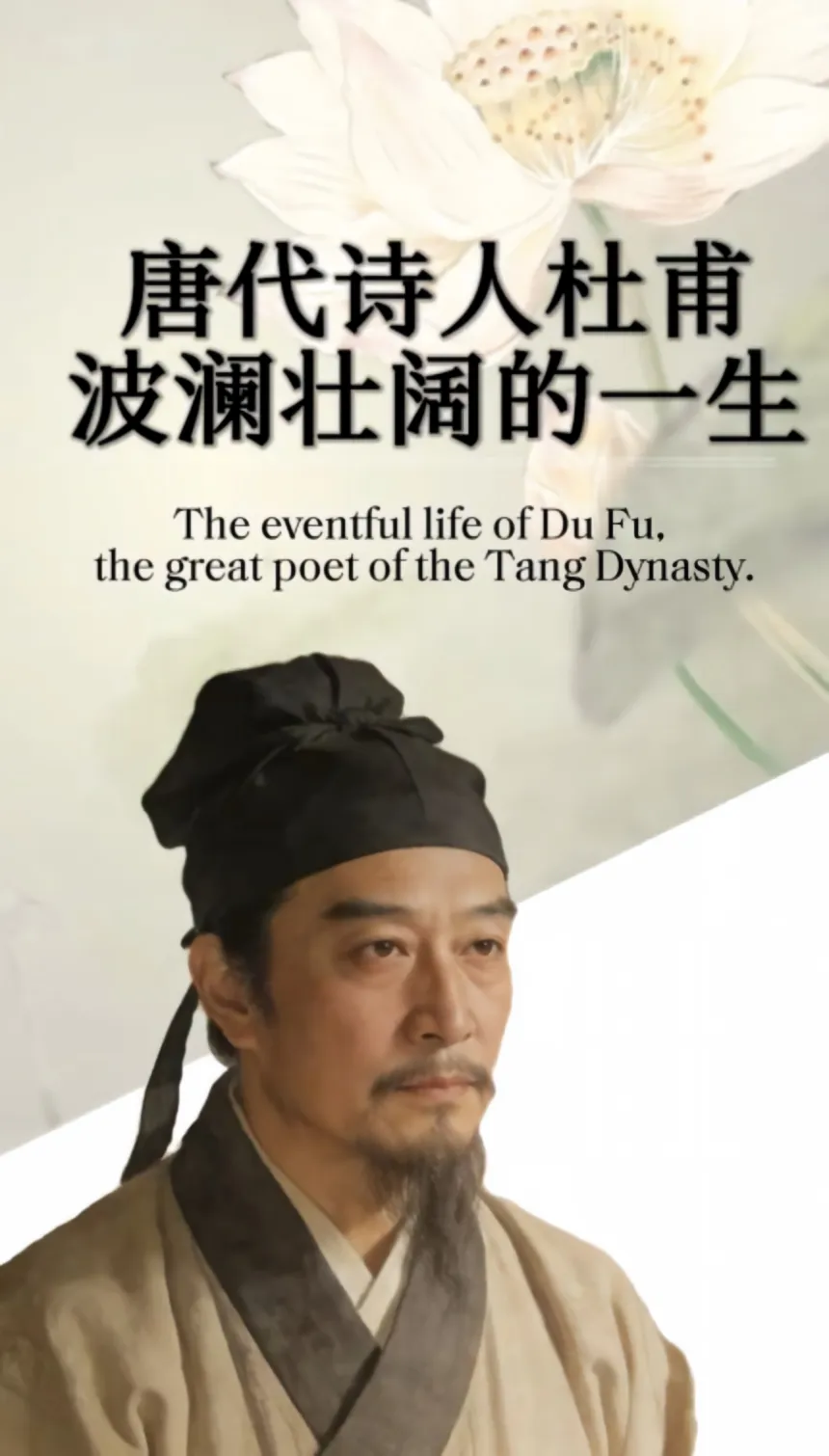
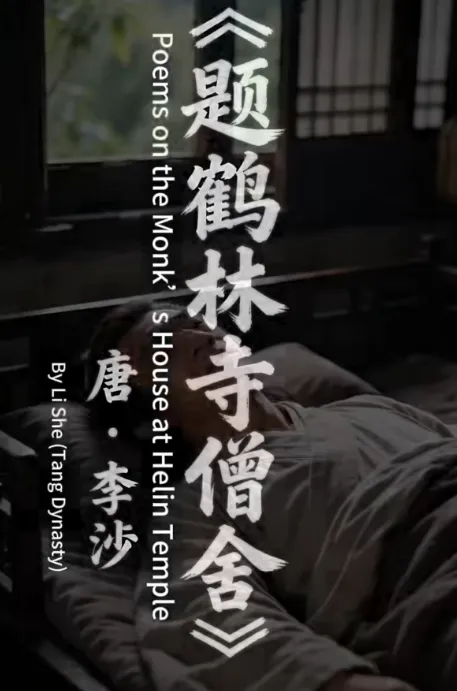
(SeaPRwire) – Zhao Ziyue spent hours refining prompts to match Li She’s poetic shift from confusion to relief. The AI kept producing videos that were too long or visually wrong. This struggle is the real story of a campaign where schools in Xi’an are pushing students to transform 1,300-year-old poetry into digital short films using generative tools.
On the surface, the program is a cultural education success. Teachers at Xi’an Gaoxin No. 1 Experimental High School follow a “poetic conception is the soul, AI is the bridge” principle. Students like Liu Xinyu use negative prompts such as “no modern buildings” to recreate Li Bai’s High Tang grandeur. Su Bingjie combines Meng Haoran’s ink-wash aesthetics with Xu Yuanchong’s English translations for global reach. These workflows are documented as part of a “four-dimensional guidance approach” at Weibei Middle School, with tools like Doubao, Jimeng AI, and Jianying.
Beneath the cultural narrative, the campaign reveals a deeper technical dependency. Every successful video requires iterative prompt tuning, frame-by-frame movement adjustments, and constant rejection of AI hallucinations. Zhou Limi’s “four-dimensional” framework treats AI as a creative partner. But the actual process is a data capture loop. Student aesthetic preferences, poetry interpretations, and linguistic choices are all being fed into commercial platforms that own the training data. The classroom has become a human-in-the-loop data labeling operation for Chinese AI vendors.
The endgame is not cultural preservation. It is the capture of the developer ecosystem. These students are learning to express human emotion through machine-generated output, and they are being trained on tool-specific mental models. When the next generation of creators is locked into these platforms, the poetry is no longer the product. The user is. Expect a future where artistic taste is quantified, owned, and resold as a subscription service.