
(SeaPRwire) – The consumer home robotics market is a graveyard of failed startups. Chery is making a massive bet on its manufacturing muscle. It hopes to clean up the graveyard. Launching MOBO as a home companion robot sounds great on paper. But the reality of a robot navigating a chaotic living room is a world away from a car on a mapped highway. Chery claims MOBO can handle complex tasks, but hardware durability in real homes is brutal. Tying this robot to a car brand like LUXEED is a risky consumer play.
On October 21, 2026, AiMOGA opened global pre-orders for MOBO in Wuhu. The robot targets elder care, child companionship, and daily family support. It uses MoAgent software to handle perception, motion, and memory. AiMOGA’s product line holds EU CE and US FCC certifications. This launch looks like a standard consumer electronics rollout. But the real story is Chery’s hardware manufacturing muscle. They want to use their automotive supply chain to mass-produce robot bodies. This could slash costs compared to niche robotics labs. Certifications are necessary, but they do not guarantee daily durability. Internal motors still need to survive real-world household accidents.
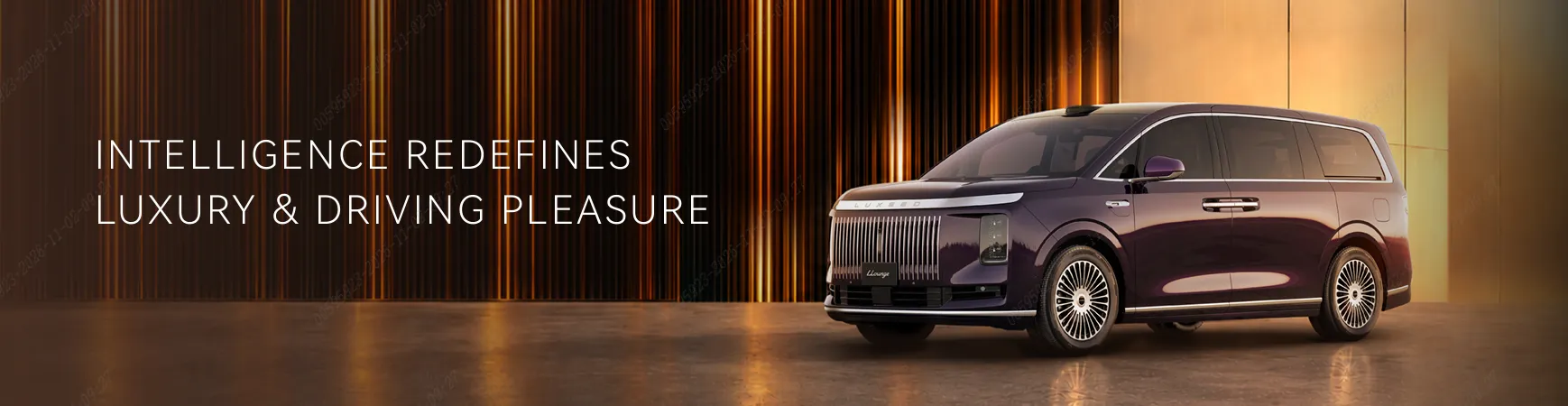
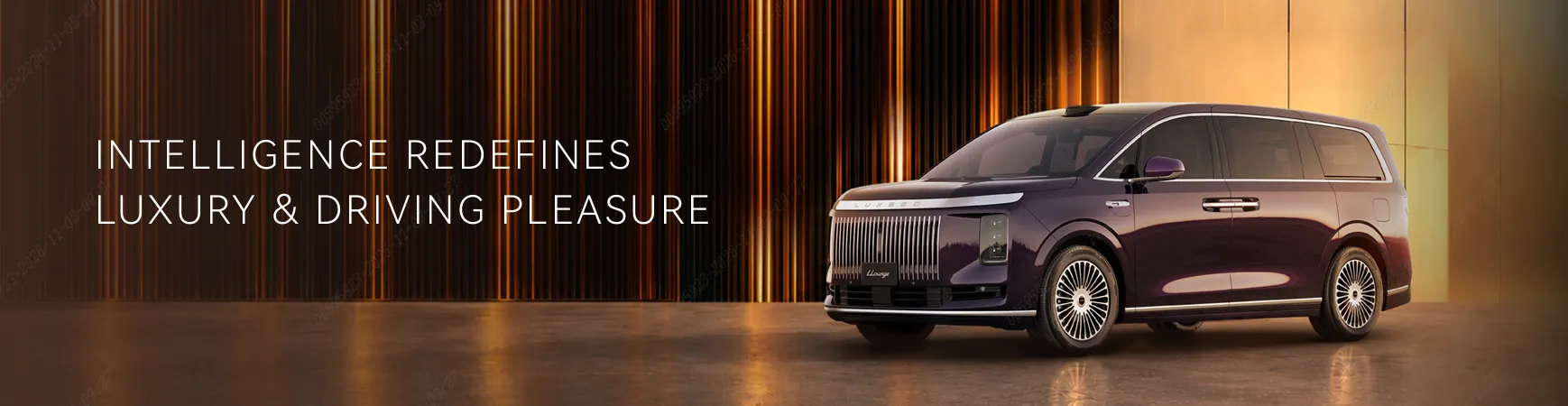
LUXEED stands to gain from Chery’s shared AI foundation. Both brands use environmental perception, motion control, and large-scale hardware manufacturing. CheryMind, the automotive foundation model, powers both LUXEED cars and AiMOGA robots. LUXEED’s brand proposition, “I” DRIVE, YOU ENJOY, highlights this division of labor. Sharing the CheryMind model is a clever way to spread massive R&D costs. It lets Chery build a unified AI architecture. But the consumer value of a car talking to your living room robot remains unproven. Most users will see the link as a novelty unless the software works flawlessly across different hardware.
The global hardware supply chain is highly concentrated in China. Chery’s vertical integration gives them an unmatched cost advantage in sensors and motors. But software-defined hardware is only as good as the chips inside those devices. Scaling MOBO and LUXEED globally will be tough. They will face the same geopolitical bottlenecks as other giants. Component sourcing battles are inevitable. The winner in this space won’t be the one with the smartest chatbot. It will be the one with the most resilient, localized hardware logistics.