
(SeaPRwire) – By: Ethan Gallagher
Chery just announced they spent RMB 6.672 billion on R&D in the first half of 2026. That is a 28.3% year-over-year increase. On paper, this reads like a company throwing money at electrification platforms, advanced driver assistance systems, and intelligent cockpits. In practice, it reads like a company scrambling to keep its hardware relevant. Its competitors are rewriting battery density rules and thermal management protocols in closed-lab environments while quietly filing patents on solid-state chemistries. The spending numbers are real. The urgency baked into those numbers is even more real. Anyone who has sat through a semiconductor supply briefing knows that R&D growth of that magnitude signals defensive investment. It signals a company that sees the window narrowing and is betting capital to keep pace. The focus areas Chery names are sensible. But sensible focus areas are not a moat. They are a floor. And the floor is rising faster than most analysts are willing to model.
The official narrative focuses on what Chery calls “full-stack technological capabilities.” Their JAECOO 7 SHS ran 828 miles, roughly 1,333 kilometers, on one tank and one charge at the UK’s UTAC Millbrook facility. That exceeds the WLTP range by 11.14%. Their JAECOO 8 SHS-P set a Guinness World Record in Indonesia with a 1,660-kilometer combined range. They expanded a partnership with Qualcomm for cockpit-driving integration back in April 2026. Now they are packaging all of this as proof that Chery’s hybrid platforms work on every continent. But here is what the press release glosses over. Those range records were achieved in controlled test environments. The real test is whether the SHS Super Hybrid and C-DM Super Hybrid systems hold up under Southeast Asian monsoon humidity or Middle Eastern desert heat cycling. The record numbers impress. The reliability data does not get published. In my experience, the gap between a lab record and a fleet-wide warranty return rate is where hardware credibility is actually won or lost. The Qualcomm partnership, while strategically sound, raises questions about software lock-in and platform dependency that Chery does not address.
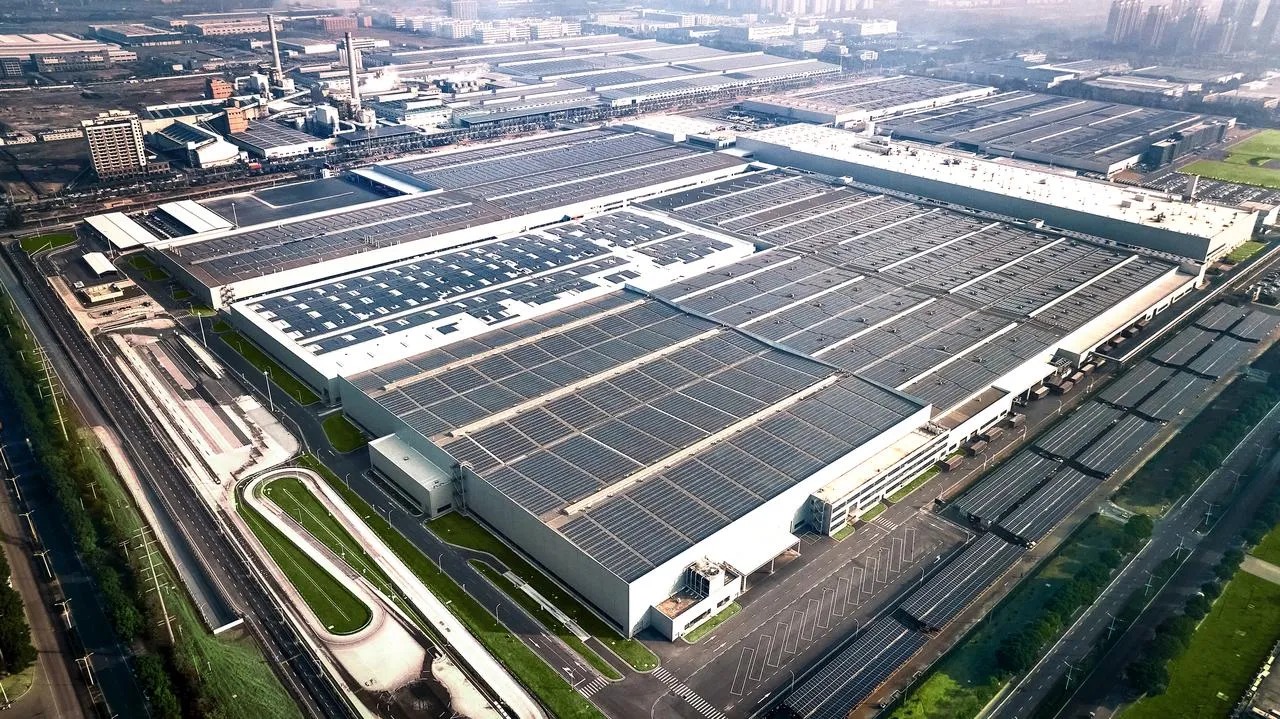
On the manufacturing side, Chery claims 52.77% of factory electricity now comes from renewables. They operate 5 national-level green factories and 2 zero-carbon facilities. Their “100% recycled aluminium plus heat treatment-free plus integrated die casting” process cuts carbon emissions by 80% compared with primary aluminium. The JAECOO 7 SHS uses approximately 75% low-carbon aluminium. These figures sound ambitious on a slide deck. But they do not account for the upstream carbon footprint of recycled aluminium smelting or the energy intensity of die-casting robotics running around the clock. The Wuhu rooftop solar panels generate power for production, sure. Yet Chery has not disclosed grid-offset mechanisms for peak-load hours. Nor have they published the embodied carbon embedded in their lithium battery supply chain. The green factory pitch is a marketing asset. It is also a partial truth. In my conversations with procurement leads at European auto OEMs, the distinction is clear. A factory-level renewable energy percentage is not the same as a cradle-to-grave carbon audit. Chery is selling the former. The market is pricing in the latter. And as the EU Carbon Border Adjustment Mechanism phases in, the gap between these two accounting methods will determine whether Chery’s green factories become competitive advantages or regulatory liabilities.
Chery will debut the all-new CHERY Q pure-electric model at this summit running October 18 to 24 in Wuhu. The company plans to deploy hybrid and EV technology across all five continents. That is a lot of surface area for a company whose core competence remains internal combustion and mild hybridization. The supply chain reality is this. Chinese OEMs with credible global hybrid range records still depend on imported semiconductor substrates and rare-earth permanent magnets for their traction motors. The recycled aluminium narrative is compelling, but the die-casting process itself consumes significant electricity. And the 75% low-carbon aluminium figure on the JAECOO 7 SHS leaves 25% of primary material that still carries a full carbon footprint. Chery’s next move is not about proving the technology works. It is about proving the technology survives tariffs, supply disruptions, and European emissions compliance gates. Whatever Chery shows in Wuhu next week will get measured against those three walls. No amount of R&D percentage growth changes that calculus. The companies that win the next decade of global automotive competition will not be the ones with the best range records. They will be the ones with the most auditable supply chains and the fewest single-point failures in critical material sourcing.
Author bio: Ethan Gallagher is a Silicon Valley hardware architect and infrastructure strategist who has spent two decades evaluating OEM supply chains, semiconductor procurement, and next-generation vehicle platform architectures.