(SeaPRwire) – For decades, the abrasive cutting disc industry has treated packaging as an afterthought. Blister packs and paper cartons dominate, leaving high-performance discs vulnerable to the one enemy that silently degrades them: moisture. A disc that sits in a humid warehouse for six months can lose its structural integrity, deform, or simply fail earlier than expected. This is not a minor nuisance. It is a hidden tax on every distributor, every contractor, and every workshop that relies on predictable tool performance.
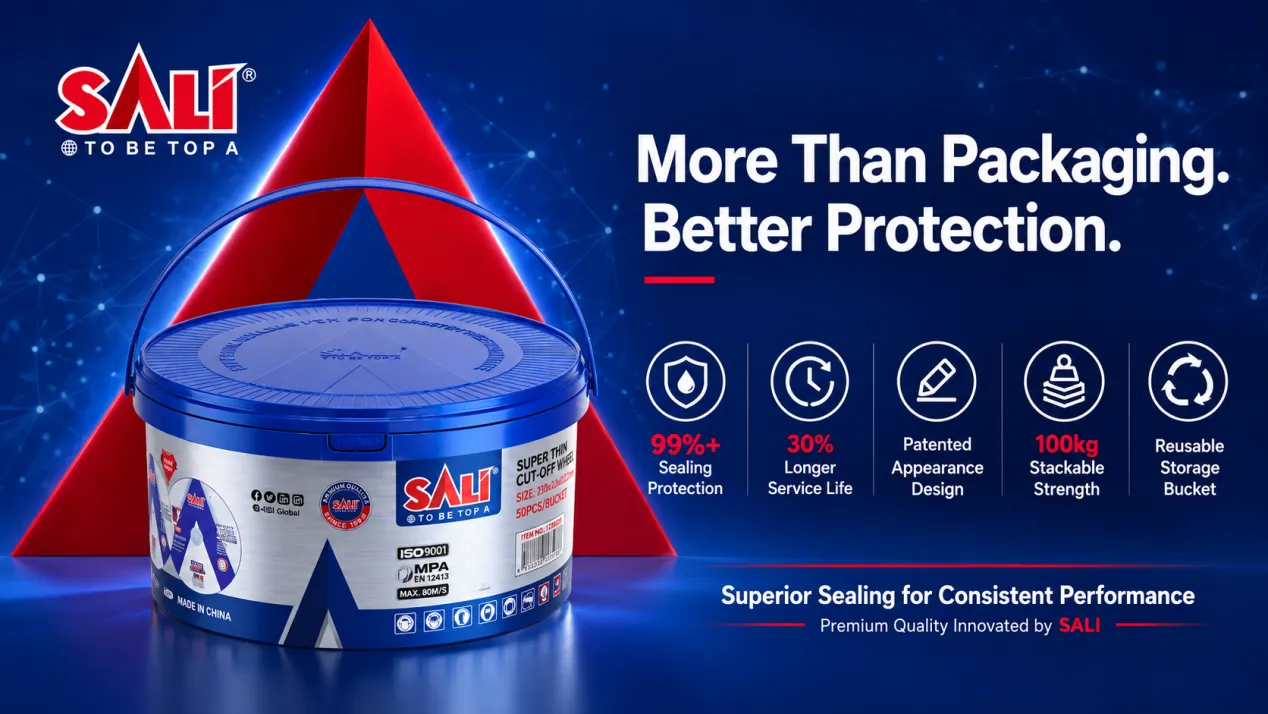
SALI Tools, a power-tool accessories supplier operating across 160+ countries, decided to attack this problem head-on. In June 2026, it launched its patented sealed bucket packaging for 9-inch abrasive cutting discs. The official claims are striking: 99%+ sealing protection, isolating discs from external moisture and environmental exposure. According to the company’s product data, this improved protection can extend service life by 30% or more under applicable storage conditions. Those are not vanity metrics. They are the kind of numbers that change inventory management decisions.
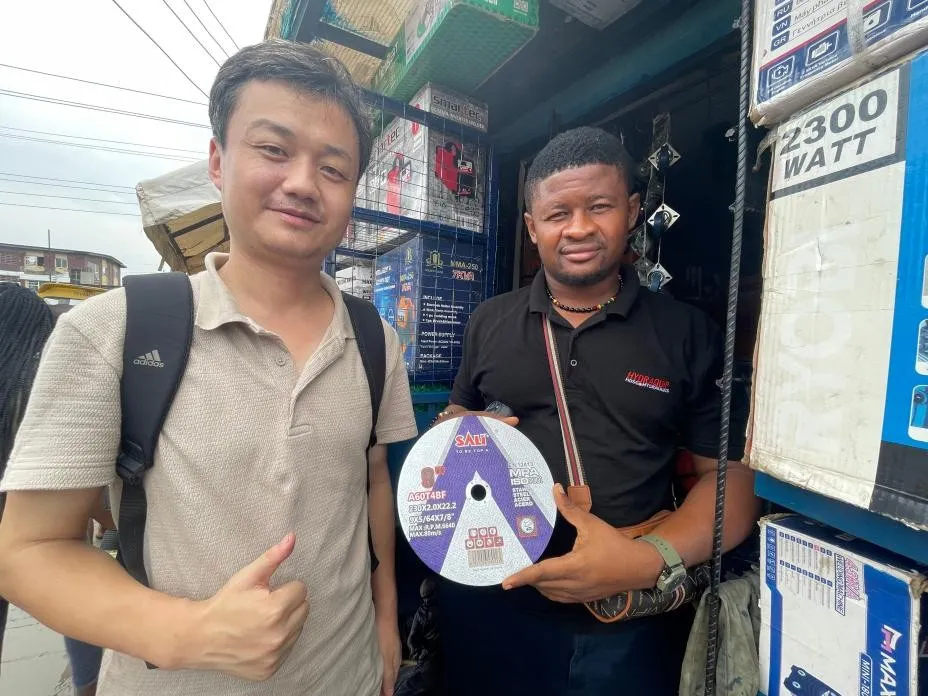
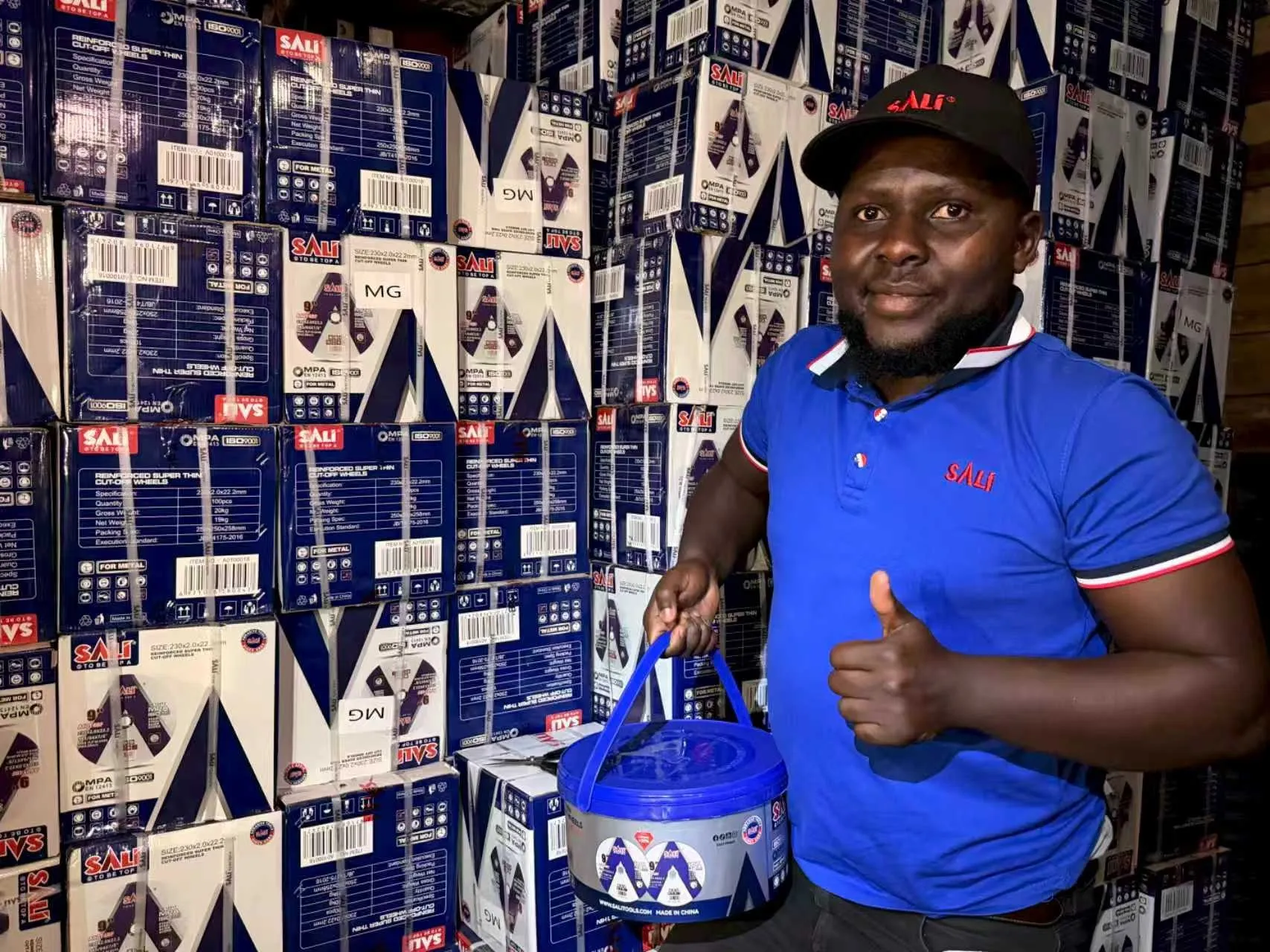
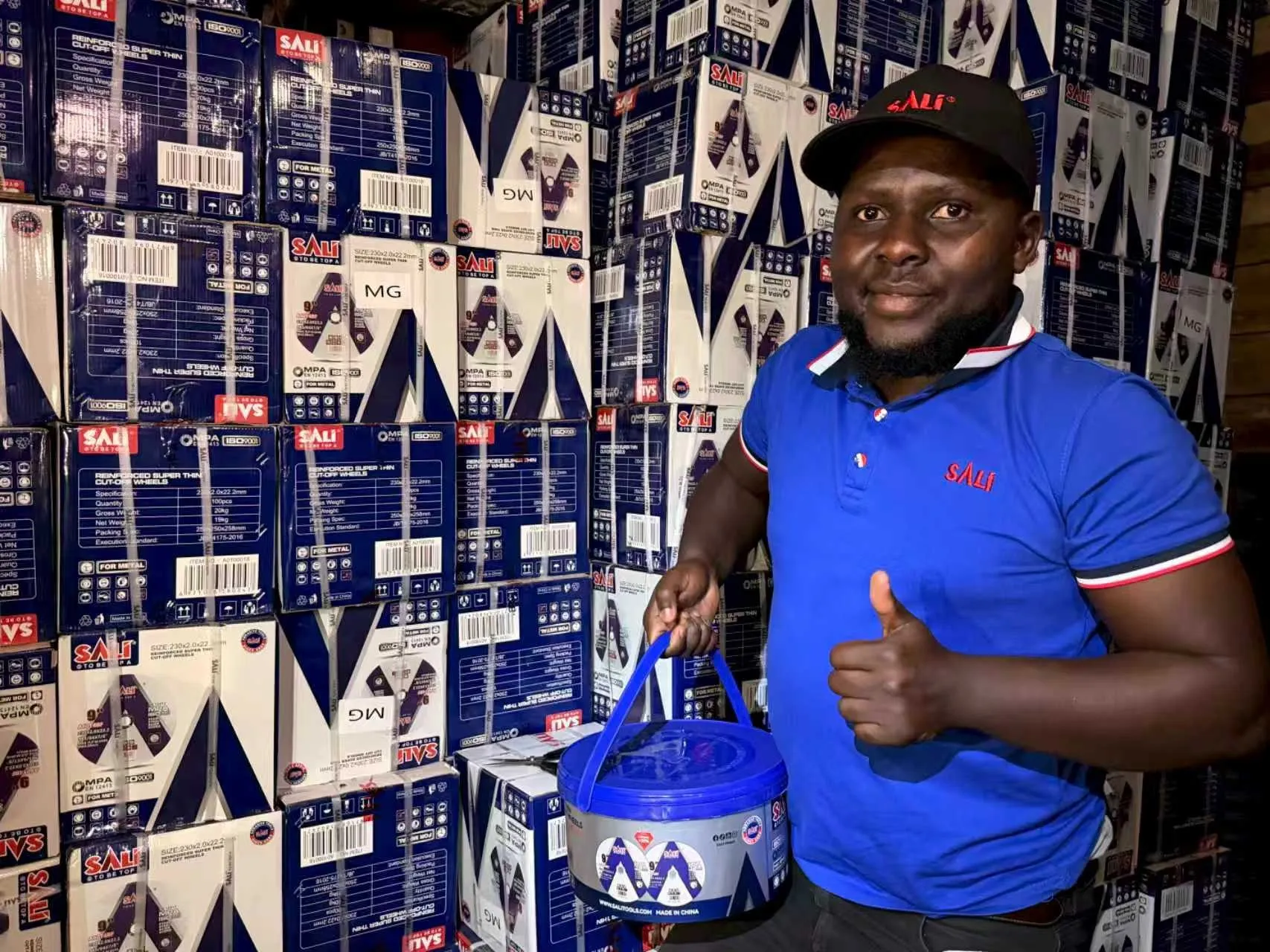
The early market response is telling. In humid markets like Nigeria, distributors have been burned by moisture-related degradation before. One local distributor, after receiving the first batch, put it plainly: “The biggest difference is the protection. We feel much more confident keeping the discs in stock for longer periods.” In Kenya, where distribution involves long-distance transport and limited warehouse space, the structural strength of the bucket matters most. The PP composite material, engineered with crack resistance down to -20°C, allows stacking loads up to 100KG without deformation. A customer described the practical effect: “The bucket is much easier to stack and handle than conventional packaging.”
Beyond protection, the bucket changes how the product is perceived. The silver bucket with a sapphire-blue lid and metallic matte label signals professional-grade equipment, not a disposable consumable. That distinction matters on a retail shelf. And the reusability factor is a quiet but powerful value proposition. Customers can repurpose the bucket to store drill bits, grinding accessories, screws, or hand tools. This is not just packaging. It is a durable workshop container that happens to transport cutting discs. The supply chain for abrasive tools is fragmented, and packaging has historically been a cost center. SALI’s sealed bucket flips that logic, turning packaging into a differentiator. The real question is not whether this works in Nigeria or Kenya. It is whether the global market will recognize that the cheapest packaging is rarely the most economical one. Early adoption suggests the industry is paying attention.