

(SeaPRwire) – By: Robert Kensington
Spend enough time around county-level tourism projects in China and you learn to smell desperation dressed up as heritage. I have sat through dozens of pitch decks from small-town officials promising to become “the next breakout destination,” and most of them end the same way. A renovated old street, a light show, a weekend spike, then silence by November. So when a release crossed my desk this week about Xun County in Hebi, Henan, promoting “slow travel” at its Liyang City cultural tourism area during the National Day holiday, my first instinct was skepticism. But reading it twice, I noticed something rarer than marketing gloss. This is a county that actually owns the raw materials most imitators only pretend to have.
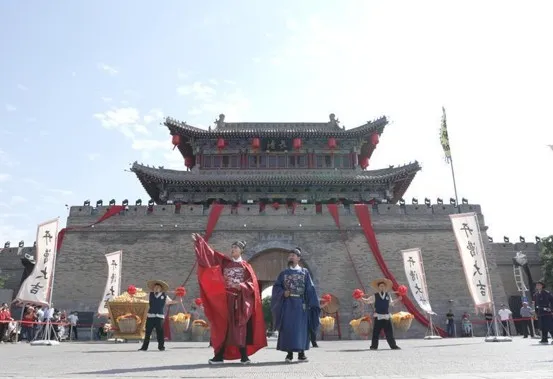
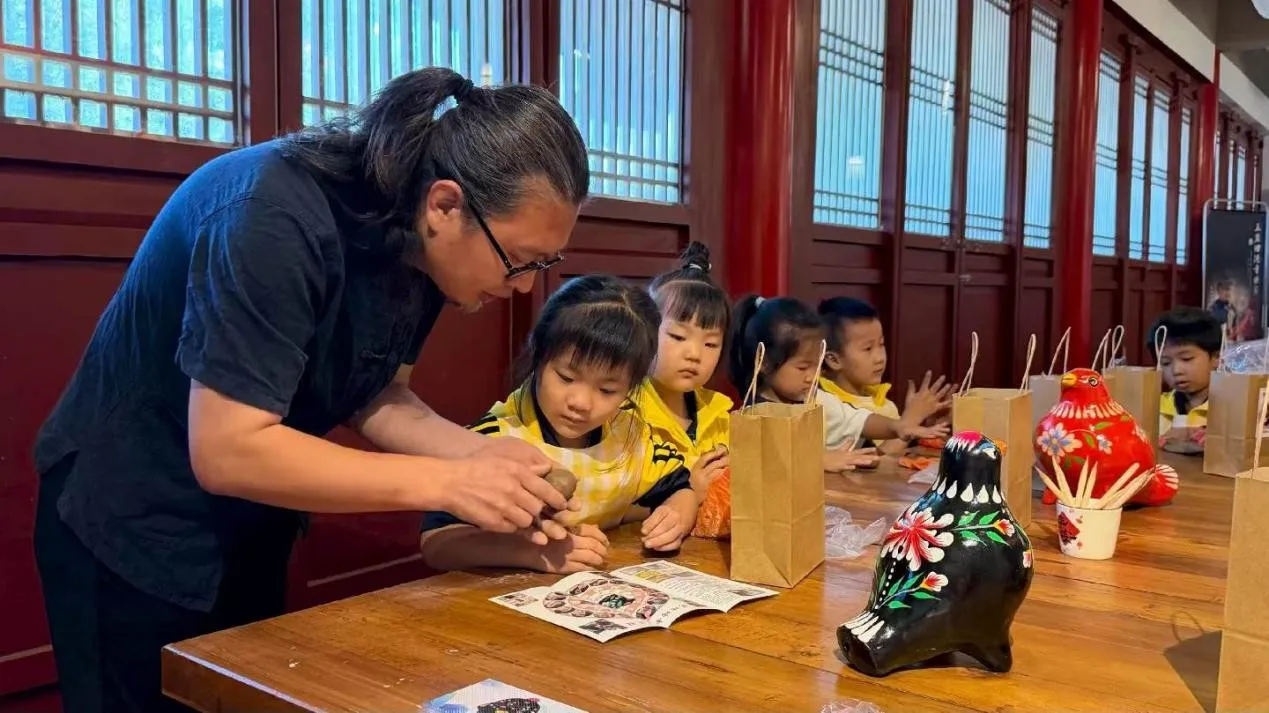
Here is what the official announcement says. Xun County is a nationally recognized historical and cultural city. Its section of the Grand Canal and the Liyang Warehouse are listed as world cultural heritage sites. It is the birthplace of four national-level intangible cultural heritage traditions: Ni Gugu clay whistles, Daping Opera, folk shehuo performances, and a grand temple fair. For the holiday, the Liyang City Cultural Tourism Area launched youth-oriented attractions, including China-chic interactive activities and technology-driven light shows, plus a series of live outdoor performances built on creative choreography, integrated technology, and immersive interaction. The county also opened a cluster of new venues branded the “Twelve Cultural Spaces of Liyang,” among them a Ni Gugu heritage workshop, a Wanfu tiger fabric craft studio, a Canal Granary memory museum, a shadow puppetry workshop, and a folk performance theater.
Now the commercial subtext. County tourism in China has a structural disease. Visitors drive in, take photos, leave before dinner, and the local economy captures almost nothing. The “slow travel” framing here is not a lifestyle slogan. It is a stay-duration strategy. Every element listed above is engineered to stretch the visitor clock. Twelve cultural spaces cannot be consumed in two hours. A clay whistle workshop means sitting down, paying, and making something. A memory museum and a folk theater create evening anchors that justify a hotel night. The light shows push consumption past sunset, which is exactly when county destinations normally bleed foot traffic back to the highway. Heritage is the bait. Dwell time is the product.
There is also a quieter capital logic underneath. Intangible heritage workshops are cheap infrastructure compared with building a theme park. A craft studio costs a fraction of a rollercoaster, carries near-zero obsolescence risk, and generates direct income for local artisans rather than ticket revenue funneled to an outside operator. I watched a similar model work years ago in a ceramics town where the workshop margin outperformed the souvenir shops three to one. If Xun County can convert even a modest share of National Day foot traffic into overnight guests and hands-on spending, the Twelve Cultural Spaces become a replicable cash engine rather than a one-off holiday spectacle.
The blunt truth is this. China’s county tourism map is about to split into two camps: places that rent attention with light shows, and places that own heritage deep enough to sell time. Xun County sits in the second camp, and most of its competitors do not.
Author bio: Robert Kensington, an overseas entrepreneurial veteran with decades of experience in real-economy industrial investment and expansion.