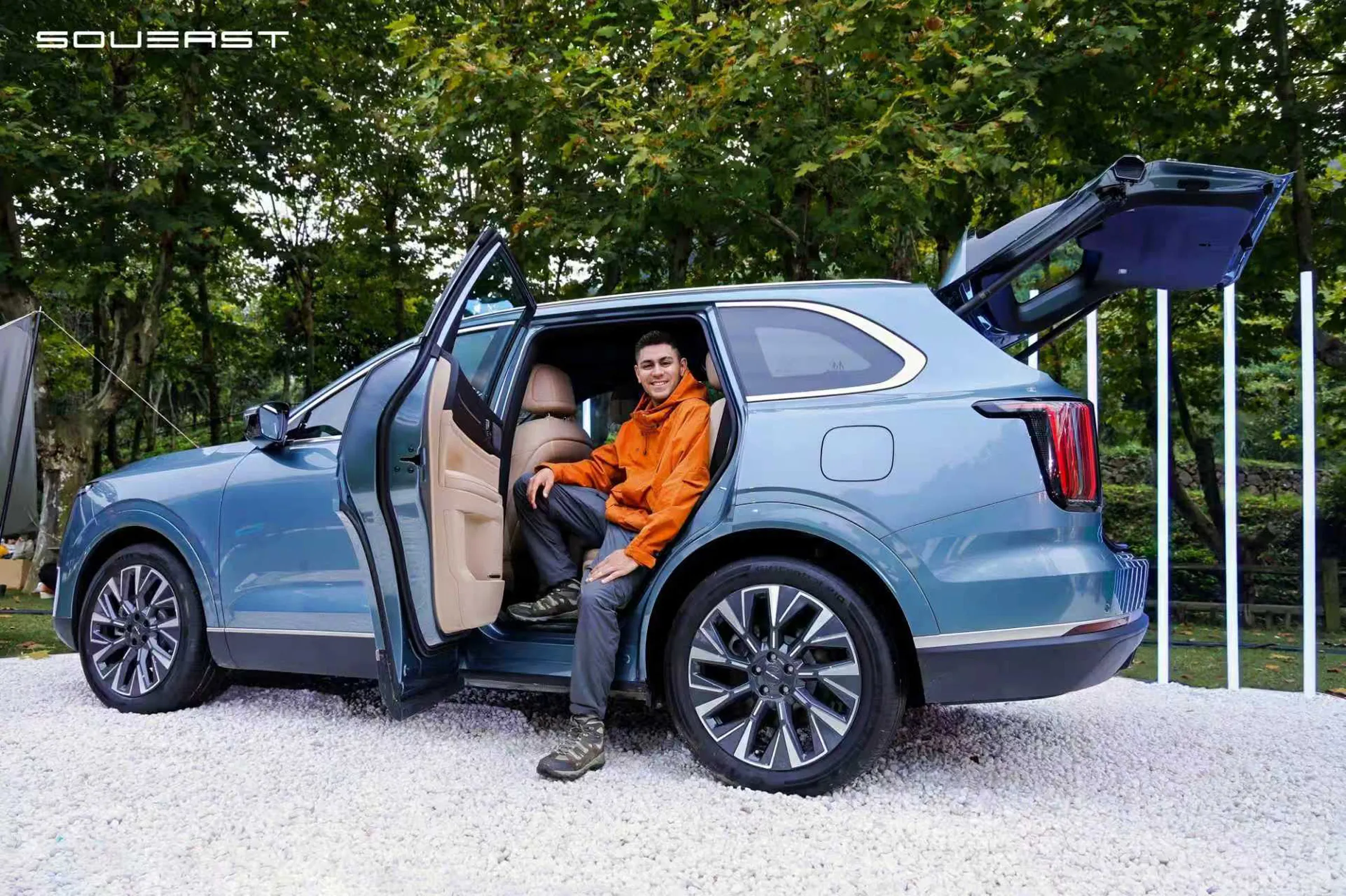

(SeaPRwire) – [Paragraph 1] Everyone in auto marketing likes a good story about lifestyle. Soueast just dropped theirs. It’s a slick pitch about fusing mobility with local culture. But look closer at the numbers. The hype masks a brutal reality. They are fighting for shelf space in a crowded, volatile market. The ‘Travel+’ strategy is a shield. It hides the hard work of selling cars in regions where service networks are the only thing that keeps a brand alive.
[Paragraph 2] Let’s strip the fluff. As of September 2026, the footprint is specific. 52 countries and regions. 318 sales outlets. That’s the raw data. The product mix focuses on their Kunpeng C-DM system. Two plug-in hybrids lead the charge. The S06 DM targets the urban SUV segment. The S08 DM is a seven-seat comfort model. These are their weapons. No vague promises. Just metal, batteries, and a hybrid engine. The test drives in New York were just proof of concept.
[Paragraph 3] The after-sales game is where the real margin lives. In Iraq, they built the largest automotive after-sales service center. One roof for repair, maintenance, and parts. Why does this matter? Because in emerging markets, if your car breaks down and you can’t fix it fast, you’re dead. Egypt data shows their traction. Number four in passenger vehicles. Number six overall within a year. That speed is rare. It proves the dealer network is actually converting. The service infrastructure is the silent partner to their sales aggression.
[Paragraph 4] Now watch the competitors. They are not just selling cars; they are buying loyalty. Partnerships with Dubai Fashion Week and Time Out are not ad spends. They are brand equity injections. In Kazakhstan, they went for Red Bull Dance. These moves target the emotional wallet of the consumer. It changes the game theory. You aren’t just competing on price or range anymore. You are competing on cultural relevance. Local brands will crumble if they can’t match this emotional connection. The gap will widen fast.
[Paragraph 5] The supply chain angle is often ignored. Soueast claims a robust global supply chain. But look at the R&D core. The Kunpeng system relies on a dedicated hybrid transmission and battery safety tech. This is not off-the-shelf. It’s proprietary leverage. As they aim for 80 countries by 2030, the stress on this chain will spike. Every new market adds complexity. The local production plans need to sync with global parts flow. If that decoupling fails, the ‘global’ strategy stalls. The hardware must move as fast as the marketing.
[Paragraph 6] By 2030, the 80-country target hits reality. Service density will determine who stays relevant in the Middle East and Africa.