
(SeaPRwire) –
The global spirits and wine sector is suffering from a chronic momentum deficit. It is not a product quality issue. It is not a branding visibility issue. The 30 representative brands included in the recent World Famous Liquor Brands Sustainability Index Report all check those boxes. The real problem is stagnation. These companies have built solid foundations. Now, they are struggling to turn those static assets into dynamic business results. The industry is stuck in a loop of maintaining heritage without expanding market capture.
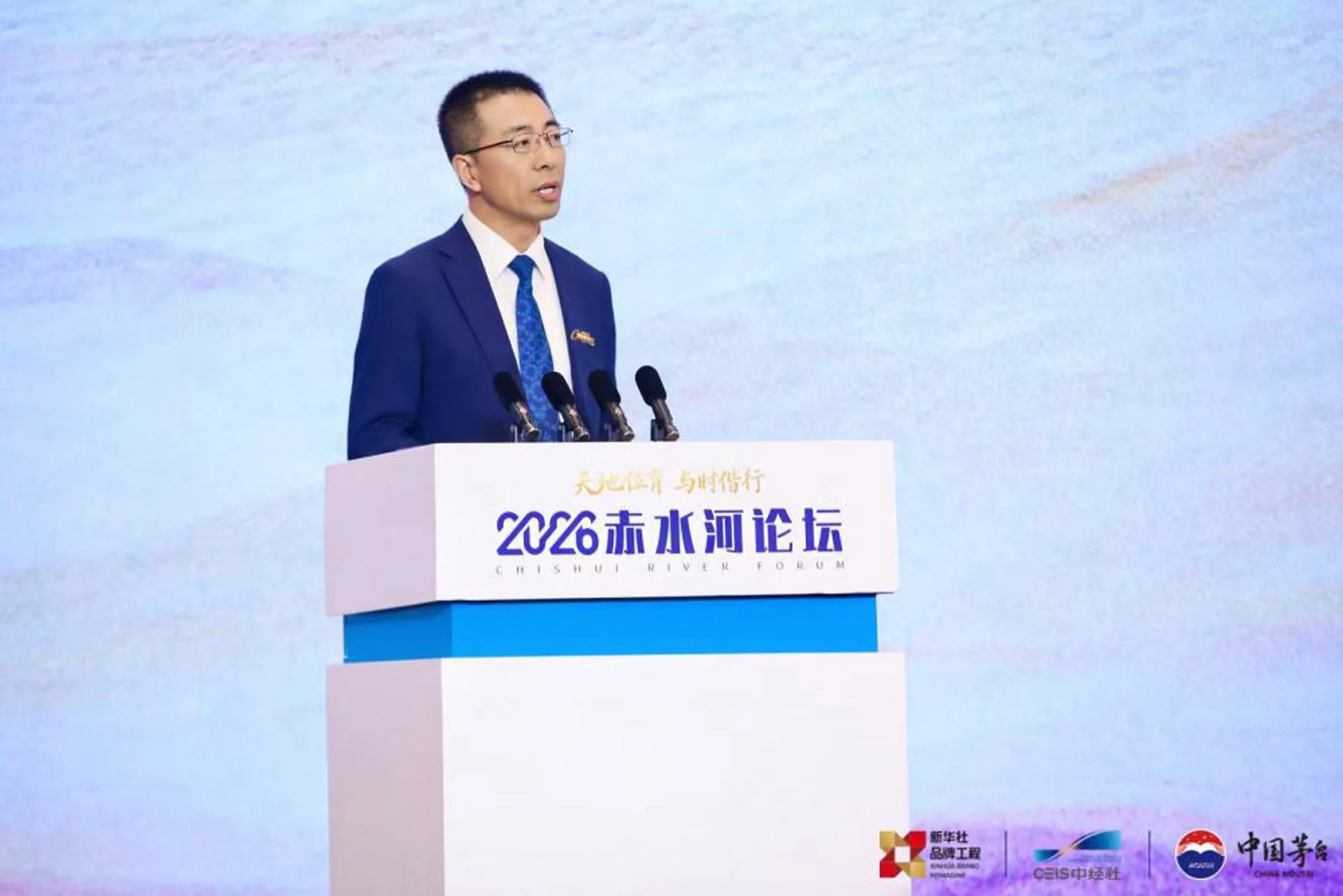
The data from the report, released on October 17 at the 2026 Chishui River Forum, paints a clear picture. Xinhua Index Research Institute analyzed 30 brands and found that quality and visibility are strong. However, business momentum lags significantly. The report sorts these brands into four tiers: Leading, Resonating, Established, and Emerging. Only 20% of the sample sits in the Leading tier. These top players do not win because of a single sharp edge. They win through years of accumulated strength in regional ecosystems and brewing traditions. Their leadership relies on effective synergies between brand visibility and market recognition. The rest of the industry lacks this depth.
A distinct split is emerging between distilled spirits and fermented beverages. Distilled spirits lean heavily on terroir and legally protected production-area designations. They build competitive moats around history and traditional craftsmanship. Fermented beverages take a different approach. They focus on building global operating systems. Their strength lies in translating international market presence into tangible results. While their overall development levels are converging, their underlying engines of growth differ radically. For many in the spirits sector, especially in China, the challenge is acute. The industry has reached maturity in brand positioning and waste recovery. Yet, it fails in international market conversion. It struggles to keep intangible cultural heritage alive in commercial practice. The next step is not about proving quality. It is about converting that accumulated cultural and asset strength into tangible development outcomes.