
(SeaPRwire) – By: Reginald Vance
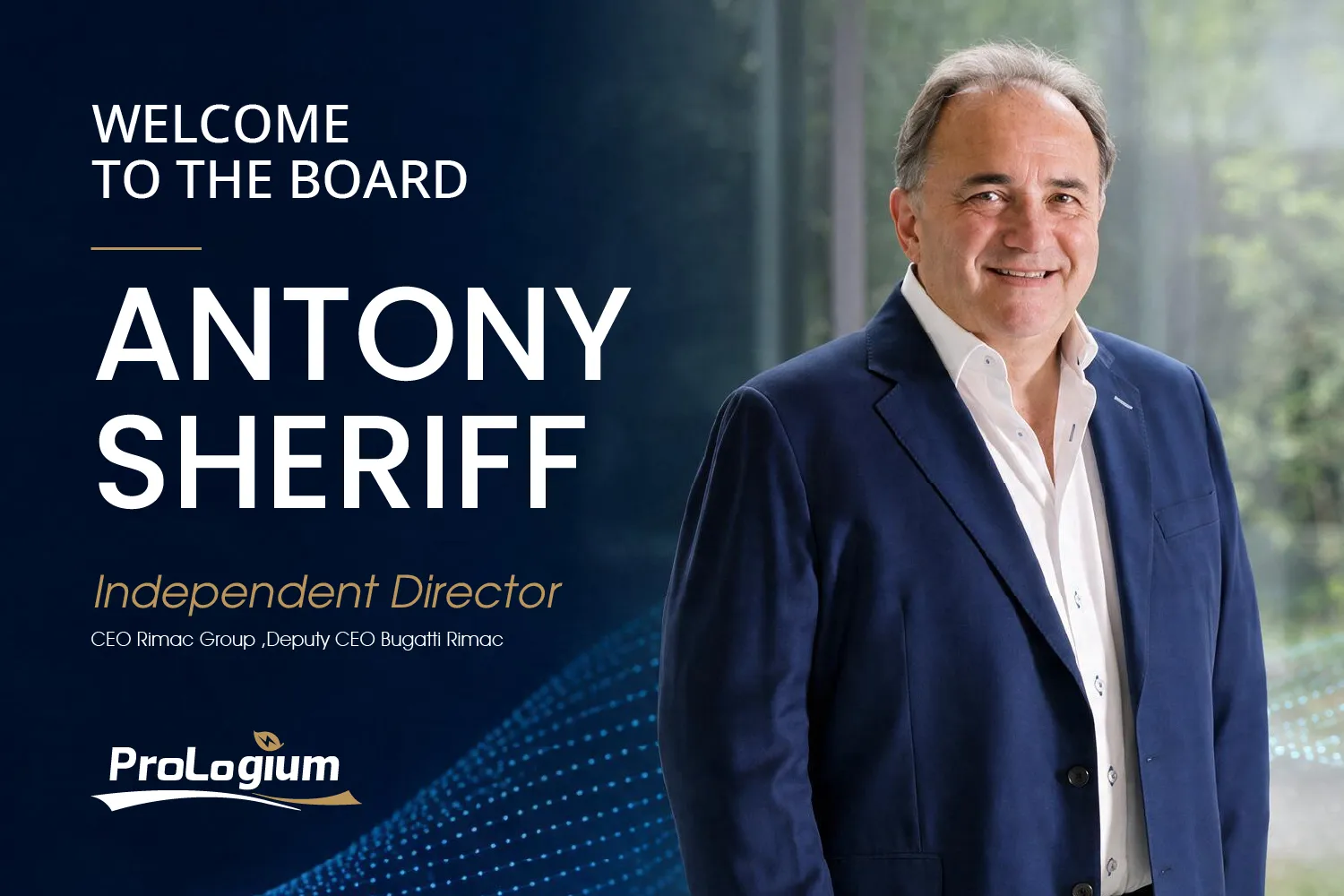
Hardware scaling is the graveyard of good physics. ProLogium stands at this precipice today. The company is merging with Translational Development Acquisition Corp. This SPAC deal brings capital. Yet, capital alone cannot solve the physics of mass production. The market knows this. The anxiety is palpable. Can a Taiwanese battery pioneer actually deliver gigawatt-hours? Or will it burn cash on yield rates? The appointment of Antony Sheriff signals a desperate grasp for operational sanity. They need more than money. They need a pilot who has flown this plane before. The transition from validation to commercialization is where most hardware startups die. The board knows this. They are hedging their bets. The date is August 24, 2026. The clock is ticking. The public markets are unforgiving. If you miss your numbers, you die. Sheriff is the insurance policy against that death. He has nearly four decades of experience. He has seen the movie before. He knows the ending if the script is not followed. The capital bottleneck is real. The physical scaling limits are real. This is not software. You cannot just patch a bug in a ceramic battery line. You have to retool the factory. That costs billions. The TDAC merger provides the entry ticket. But Sheriff provides the strategy for the game.
Let’s look at the ledger. ProLogium started in 2006. They hold over 1,200 patents. That is a thick wall of IP. But patents do not ship in boxes. In 2013, they shipped small cells for audio accessories. They have delivered 2.4 million cells. That sounds impressive until you see the automotive context. They have sent only about 10,000 auto battery samples. The gap between 10,000 samples and mass production is vast. In 2025, they introduced their Super product line. The technology exists. The manufacturing validation is the hurdle. Sheriff brings the McLaren P1 and MP4-12C legacy. He knows how to build low-volume, high-margin cars. But batteries are high-volume, low-margin commodities. This is the mismatch. He also led Princess Yachts. He understands complex manufacturing. His experience at Rivian and Aston Martin adds board governance depth. He knows the OEMs. He knows what they want. They want reliability. They want scale. They do not want promises. The press release mentions “lithium ceramic batteries.” This is a specific chemistry. It is risky. It is hard to make. The 2.4 million cells prove they can make small things. The 10,000 auto samples prove they can make prototypes. Neither proves they can make money. The board needs to shift from “technology and industry expertise” to “corporate scaling.” That is the explicit goal. They are admitting they are no longer a startup. They are a manufacturer. Or they are dead.
The board composition is changing for a reason. Vincent Yang needs a bridge to the OEMs. Sheriff runs Rimac Group. He controls Bugatti Rimac and Rimac Technology. He sits at the nexus of high-performance electrification. This is not just about advice. It is about survival. The solid-state market is consolidating. ProLogium is moving from Taiwan to Europe. They need cross-border governance to manage this expansion. The cash from the TDAC merger will burn fast without scale. Sheriff is the bet to stop the bleeding. He connects the lab to the assembly line. Rimac Technology works with global automakers on scaled production. Sheriff brings that roadmap to ProLogium. He knows the global automotive market. He knows the commercialization of advanced technologies. These are not just buzzwords in a press release. They are his resume. He is the CEO of Rimac Group. He is on the board of Rivian. He is on the board of Aston Martin. He is on the board of Pininfarina. He is everywhere. He is the network. ProLogium needs the network. They need to sell these batteries. They need to put them in cars. They need to build factories in Europe. They need to satisfy the shareholders of TDAC. The “long-term value creation” mentioned in the release is code for “don’t go bankrupt.” The hardware vendor consolidation starts now. The strong eat the weak. ProLogium is trying to get strong. They are hiring the biggest wolf in the pack to teach them how to hunt. If this fails, the IP gets sold for pennies. If it works, they own the next generation of mobility. The game is afoot.
Author bio: Reginald Vance, a venture partner specializing in semiconductor valuation and advanced materials.