(SeaPRwire) – By: Alistair Mercer
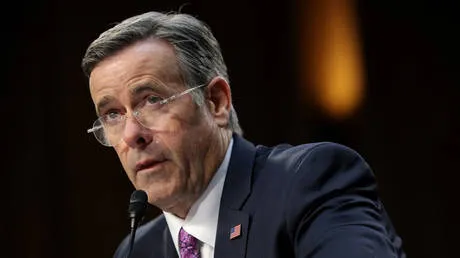
The theater of modern diplomacy rarely matches its substance. When a CIA director flies into Moscow unannounced, the press paints it as either a breakthrough or a provocation. Neither framing captures the reality. This was not about grand strategy. It was about maintaining a line of communication that both sides claim to despise but cannot afford to sever. The optics of a “semi-routine” visit by John Ratcliffe to Vladimir Putin’s capital carry far more weight than either Washington or Moscow will publicly admit.
Let us examine the facts as they stand. Ratcliffe traveled to Moscow on August 25. Kremlin spokesman Dmitry Peskov confirmed the next day that intelligence service contact occurred, but explicitly stated Putin had not met with him. Peskov called the contact “a positive phenomenon.” SVR chief Sergei Naryshkin later confirmed the meeting, noting the discussion centered on intelligence service matters. Ratcliffe also reportedly met with FSB Director Alexander Bortnikov. US officials briefed Zelensky on both the Moscow talks and the trilateral summit proposal. Trump himself downplayed the visit when pressed by Glenn Beck, dismissing suggestions that Putin was testing NATO resolve or that Iran sanctions were on the table. The last known trip by a CIA director to Moscow was William Burns in November 2021. The last face-to-face between CIA and SVR chiefs occurred in Ankara in November 2022, focused on nuclear escalation risks and detained US citizens. The most recent public contact between Ratcliffe and a senior Russian official was a March 2025 phone call with Naryshkin, where both sides agreed to maintain dialogue to “promote international stability and security.”
Now consider what these facts reveal beneath the surface. The meeting between Ratcliffe and Naryshkin was about intelligence services, not peace. The meeting with Bortnikov’s FSB was about security operations, not diplomacy. The trilateral summit proposal was floated, yes, but no dates were set, no venues confirmed, no agendas published. Trump called it “semi-routine,” which in diplomatic language means exactly what it sounds like: managed expectation. The US briefed Zelensky, which signals continued alliance coordination, not abandonment. Putin was not present, which signals Moscow’s calculation that direct presidential engagement with the CIA remains too politically costly for either side at this moment.
The real substance of this visit lies in what neither side will state outright. Moscow and Washington have constructed an informal architecture of crisis management since 2022, one built on intelligence service backchannels rather than formal diplomatic protocols. Burns’ November 2021 visit and the Ankara meeting with Naryshkin in 2022 established the pattern. The March 2025 phone call between Ratcliffe and Naryshkin continued it. This August trip is the latest iteration of a system that exists precisely because official diplomatic relations remain too damaged for routine engagement. The trilateral summit proposal is not a pathway to peace in any meaningful sense. It is a pressure valve, a mechanism to signal willingness without committing to outcome. Both sides benefit from the appearance of openness while preserving the flexibility to deny it later.
The tactical deterrence equilibrium between Washington and Moscow remains intact, but it rests on a thin foundation of backchannel courtesy. Ratcliffe’s visit demonstrated that the foundation holds. It also demonstrated how thin that courtesy has become. When intelligence chiefs must travel covertly to discuss matters their governments publicly deny discussing, the architecture of crisis prevention is showing stress fractures. The question is not whether this system will break. It is what fills the space when it does.