(SeaPRwire) – By: Oliver Hawthorne
A Tuesday night in Los Angeles rarely stays quiet for long, but the airspace above Chatsworth turned catastrophic when a routine reporting flight ended in a fiery triple fatality. Local media confirmed that a news helicopter went down while covering the aftermath of a deadly bus accident, claiming three lives in a chaotic scene that merged breaking news coverage with immediate tragedy.
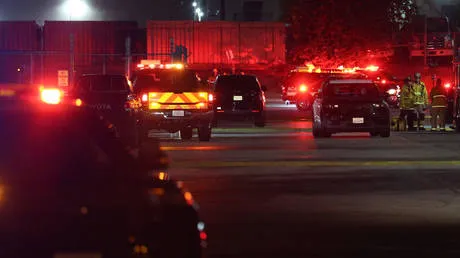
According to the local Fire Department, the aircraft appeared to have landed squarely on top of two shipping containers and several parked vehicles in the area. KNBC quickly confirmed that the fallen machine was its NewsChopper4. An LAFD spokesman on the ground noted that one of the victims was actually killed down in a parking lot, underscoring the unpredictable devastation on the pavement below, while the exact head count of souls aboard the doomed aircraft remained unclear amid the confusion.
The cascading disaster began because several news helicopters were already swarming the San Fernando Valley airspace. They were filming a violent collision between an SUV and a Metro bus that had already claimed two lives and left six others injured. Aerial footage subsequently broadcasted the wrecked aircraft engulfed in flames alongside a crushed shipping container and at least two ruined cars, while a chilling social media video captured the helicopter’s live feed providing a bird’s-eye view of the highway wreckage right before it abruptly pitched downward.
Mayor Karen Bass voiced a city’s collective grief, stating she was absolutely devastated by the loss of life in Chatsworth that night while offering condolences to the families. This incident forces a hard reckoning across media boardrooms regarding the relentless pressure of live aerial telemetry and the hidden human toll exacted by our insatiable appetite for real-time disaster framing. As local outlets race to capture every tragedy from the clouds, the commercial loop of sensationalized breaking news occasionally runs out of runway, reminding us that constant airspace saturation carries a price far heavier than any broadcast rating can justify.
Author bio: Oliver Hawthorne, a Principal Correspondent permanently stationed at an international technology review, specializing in media ethics, critical infrastructure analysis, and the socioeconomic impacts of modern digital journalism.