





(SeaPRwire) – By: Alisa Mercer
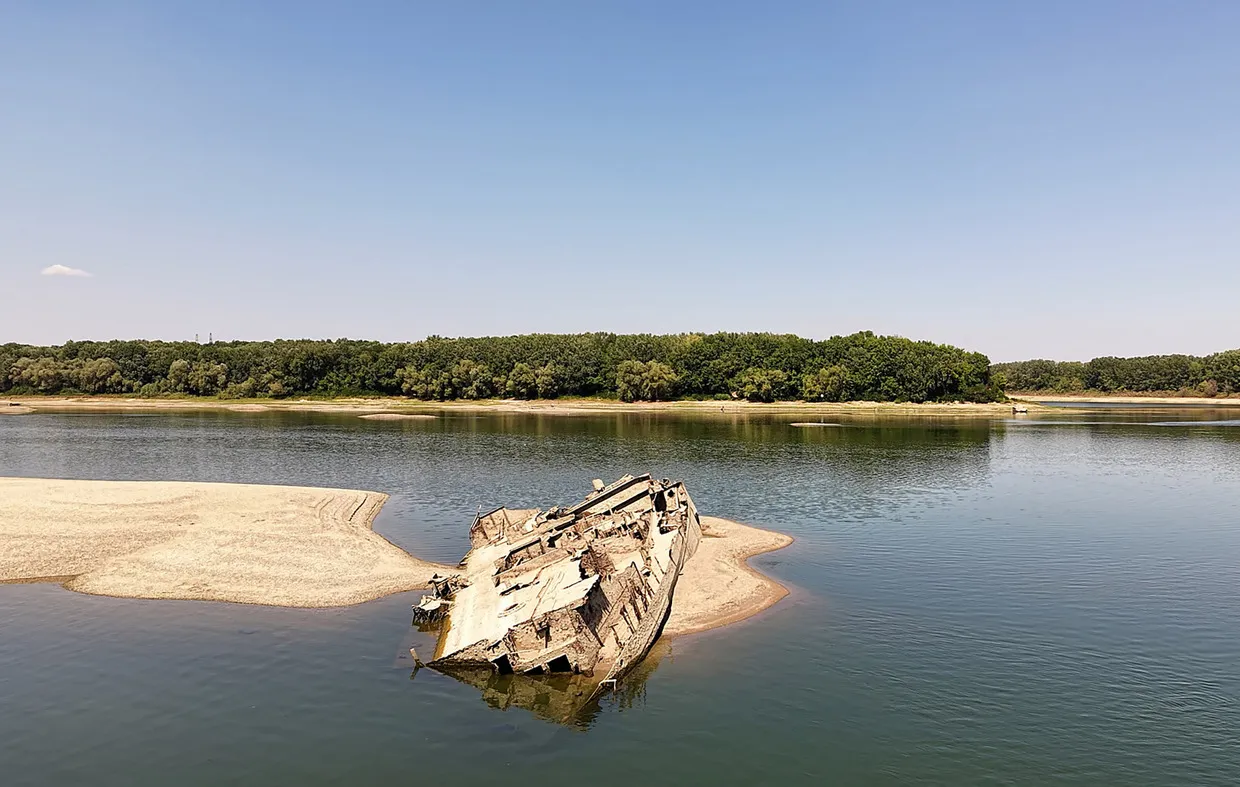
The Rhine has fallen so low that sunken WWII warships are walking the riverbed in Serbia. That image tells you everything about the infrastructure stress Europe is facing. This is no longer a climate story. It is a logistics emergency.
France had 3.6°C above normal across June, July, and August. That is 0.9°C worse than 2003, the deadliest heatwave in living memory. Britain hit 16.5°C seasonal average, the highest since records began in 1884. The Met Office’s 54 weather stations all broke their all-time maximums. The numbers are not abstract anymore. They are hitting shipping routes, irrigation systems, and energy production.
The Seine, the Rhine, and the Danube are experiencing what Copernicus calls exceptionally low flows. That translates directly into barge weight limits being slashed, fuel transport delays, and power plant cooling water scarcity. The drought does not just dry the land. It paralyzes the arteries of European trade.
French farmers received €1 billion in emergency assistance. Thirty thousand to thirty-five thousand farms are in financial distress. The UK is looking at its smallest harvest since detailed records started in 1984. Germany’s grain output fell 7.3% year-on-year. Feed shortages are already severe in parts of the country. Maize harvests across the EU are forecast near a twenty-year low.
Wildfires consumed more than 647,000 hectares by early September. That is nearly double the twenty-year average for that date. The Joint Research Center does not treat that as a one-off. The soil drought reached unprecedented levels nationwide in France. Rainfall was almost 40% below normal. Dry soil means less evaporation. Less evaporation means less natural cooling. The feedback loop accelerates.
Health systems are absorbing the shock too. France recorded 5,800 excess deaths during the June 17 to July 2 heatwave. Another 1,243 excess deaths followed between July 3 and 22. Two-thirds of those deaths were people aged 75 and over. Mortality is not a lagging indicator here. It is a present-tense crisis.
The commercial implication is stark. When river transport fails, trucks and rail take the load. Costs rise. Margins compress. Food inflation follows. The EU Commission’s forecasts are preliminary. The real bill may be higher.
This is not a seasonal adjustment. The high-pressure systems holding Europe dry are strengthening. The infrastructure built for a different hydrological regime is buckling. Barge captains now plan around water depth charts that shift by the hour. Grain traders are hedging against harvests that may not materialize at all.
Supply chains do not break all at once. They erode. First the rivers drop. Then the barge loads shrink. Then the freight rates spike. Then the food arrives late, or not at all. Europe is living through step three.
Author bio: Alisa Mercer is a commodity risk desk lead specializing in industrial metals logistics and a senior advisor on supply chain resilience across European transport corridors.