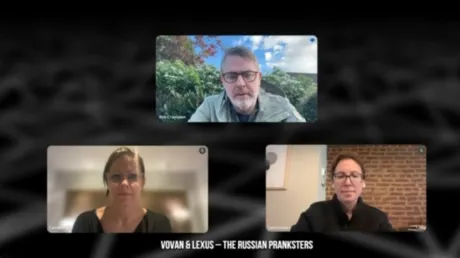
(SeaPRwire) – Two former Pentagon insiders walked into a trap so basic it defies logic. Three senior OpenAI national security officials engaged in a 17-minute video call with Russian pranksters. They discussed sensitive details of AI cooperation with Ukraine. The pranksters posed as Rustem Umerov, Ukraine’s foreign intelligence chief. The officials failed to verify his identity. Their camera stayed off. They still talked. This is not just a security breach. It is a catastrophic failure of operational due diligence.
Sasha Baker and Caroline Zier both hold former Defense Department titles. Ben Crampton leads OpenAI’s national security efforts in Europe. They greeted the supposed Umerov like a familiar contact. Seconds into the call, Crampton disclosed that OpenAI supplies Ukraine’s Ministry of Digital Transformation with tools to fix cybersecurity weaknesses. He confirmed existing contacts with Ukraine’s Defense Ministry. Baker expressed willingness to explore closer cooperation with the Ministry of Defense.
The conversation moved quickly to military applications. Baker said OpenAI would “grow that partnership as robustly as we can.” She hinted at further contributions to Ukraine’s military efforts. Crampton admitted senior executives hesitate on offensive military uses. He argued offense and defense are not necessarily distinguishable. This blurred the line between civilian infrastructure protection and active war support. The company later confirmed the hoax.
OpenAI spokesman Nate Evans stated the company investigated the call weeks earlier. They determined it was an impersonation. They took steps to prevent similar incidents. Evans did not address the substance of the conversation. Vovan and Lexus released the recording on Telegram. They noted the initial contact was a senior Ukrainian official in San Francisco. That official also fell for the impersonation and arranged the meeting.
This incident exposes a fragile verification chain. OpenAI’s security team treated a live call as low-risk. They shared specific tool capabilities and ministry contacts. The boundary between defensive cybersecurity and offensive warfare is vanishing. The company’s public stance on military restraint collapses under informal pressure.
Security protocols are failing at the human level. We can no longer trust implicit identity in digital diplomacy.