(SeaPRwire) –
By: Gavin Thorne
Pakistani fighter jets crossed into Afghan airspace in the pre-dawn hours of Monday. Their targets were militants linked to a suicide bomb at a mosque inside a police facility in Khyber Pakhtunkhwa. The Friday attack killed at least 16 people. Scores were wounded. Islamabad called the strikes retaliatory security operations. Kabul branded them acts of aggression and oppression. Neither side offered a clarification that wouldn’t sound like the other side’s worst accusation. The strikes on Nurgal and Barmal districts were not a surprise. They were the inevitable endpoint of a border conflict that has simmered for months. Neither government can afford to resolve it diplomatically without paying a domestic political price.
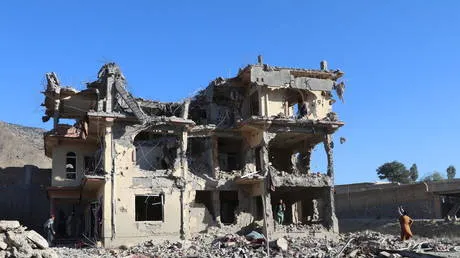
Pakistani officials claimed 28 suspected militants were killed in the strikes. Fighter jets and drones struck targets in the Patang area of Nurgal district. Additional strikes hit the Torkandi and Rukha areas of Barmal district. The Afghan Taliban government told a completely different story. Three civilians, they said, were killed. One woman. Two men. Afghan deputy government spokesman Hamdullah Fitrat provided the sharpest counter-narrative. A home in Nurgal’s Pathan village was destroyed. Villager Noor Ahmad died along with two members of his family. Four other relatives were wounded in the blast. Pakistan’s military had not issued any official statement on the strikes as of Monday.
Militant attacks along Pakistan’s border areas have risen sharply in recent months. Islamabad has accused Afghanistan of harboring these militants within its territory. The Pakistani military has launched repeated cross-border attacks inside Afghanistan in response. Kabul denies hosting any militant operations on its soil. The Taliban government says Pakistani strikes hit civilians including women and children. Taliban government spokesman Zabiullah Mujahid condemned the Pakistani attacks on Monday. He vowed an “appropriate response” would follow. He posted on X calling the strikes “aggression and oppression.” He accused Pakistani military circles of committing “such a crime to divert attention from their country’s security failures.” The pattern of mutual blame has replaced any diplomatic channel.
The border friction between Pakistan and Afghanistan is no longer a bilateral dispute. It is a theater where multiple external actors play proxy games. India has long sought a friendly Afghanistan. Pakistan sees any Indian alignment as a strategic threat to its western flank. The United States withdrew its forces in 2021 but never left the geopolitical chessboard. China watches its border neighbor with growing anxiety. Regional stability along the Hindu Kush corridor affects Belt and Road investment flows. Each party adjusts its posture based on domestic political needs and international leverage. No party wants a full-scale war on this front. Every party needs escalation as a bargaining chip in other negotiations.
Domestic politics in both countries dictate the pace of escalation. Pakistan’s government faces mounting pressure to demonstrate security control. The Khyber Pakhtunkhwa bombing was not an isolated event. It was a signal of operational vulnerability. A government that fails to respond risks losing the confidence of its citizens and its military establishment. Afghanistan’s Taliban government faces parallel pressure from the opposite direction. It needs to appear strong enough to deter Pakistani aggression. It must also avoid a conflict it cannot sustain. Last month, Mujahid told RT that Afghanistan did not initiate the border fighting. Defending themselves was their right, he said, but they were neither initiators nor wanted it to continue.
The pattern is clear. Pakistan strikes, Afghanistan retaliates with rhetoric, both sides escalate domestic narratives, and the cycle repeats. What changed this time is the specificity of the Taliban response. Zabiullah Mujahid’s promise of an “appropriate response” carries more weight than previous condemnations. The Pakistani military’s silence on the strikes is itself a signal. It suggests operational confidence or political calculation. The gap between 28 claimed militant kills and three civilian deaths will not close through press releases. The next border operation will not target a hideout. It will be a direct engagement between two armies. The clock is running.
Author bio: Gavin Thorne, an investigative journalist based in Washington, D.C., has spent over a decade tracking legislative affairs, special interests, and the hidden power structures that shape policy outcomes across the United States and beyond.