(SeaPRwire) – By: Oliver Hawthorne
Grid operators across Europe are quietly sweating out a phenomenon that has nothing to do with shifting geopolitics or fuel shortages. When the Moon crosses paths with the Sun on Wednesday, sweeping across Greenland, Iceland, and parts of Spain before grazing northwestern Russia, the sudden drop in solar generation will test modern power infrastructure in real time. We are looking at a rare total solar eclipse visible from mainland Europe for the first time since 1999, yet the prevailing anxiety inside utility control rooms betrays a stark reality about our over-reliance on intermittent green energy.
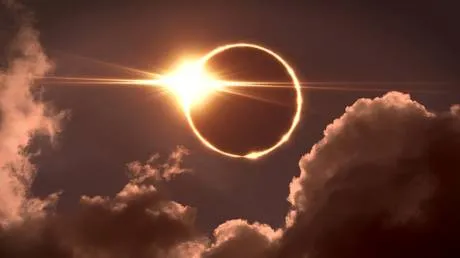
The celestial event itself hits full stride during the late afternoon and evening, with the greatest eclipse peaking around 17:46 GMT. In Russia, St. Petersburg serves as the focal point for live broadcasts originating from the towering Lakhta Center, where the Moon will obscure roughly 80 percent of the solar disk just before sunset. Murmansk, Arkhangelsk, and Kaliningrad catch substantial partial views, while Moscow sees merely a sliver before dusk. Meanwhile, totality hits parts of Spain, Iceland, and Greenland, turning daytime into twilight and exposing the solar corona to anyone looking upward with proper eye protection.
Yet the real friction point isn’t happening in the skies over St. Petersburg or the fjords of Greenland; it is unfolding on the ground in Britain. Anticipating a sharp drop in solar generation as the afternoon light fades, the country’s largest household energy supplier, Octopus Energy, has actively asked customers to curb electricity usage during the evening peak. This operational scramble exposes the fragile delta between climate ambitions and grid stability when nature abruptly pulls the plug on photovoltaic yields.
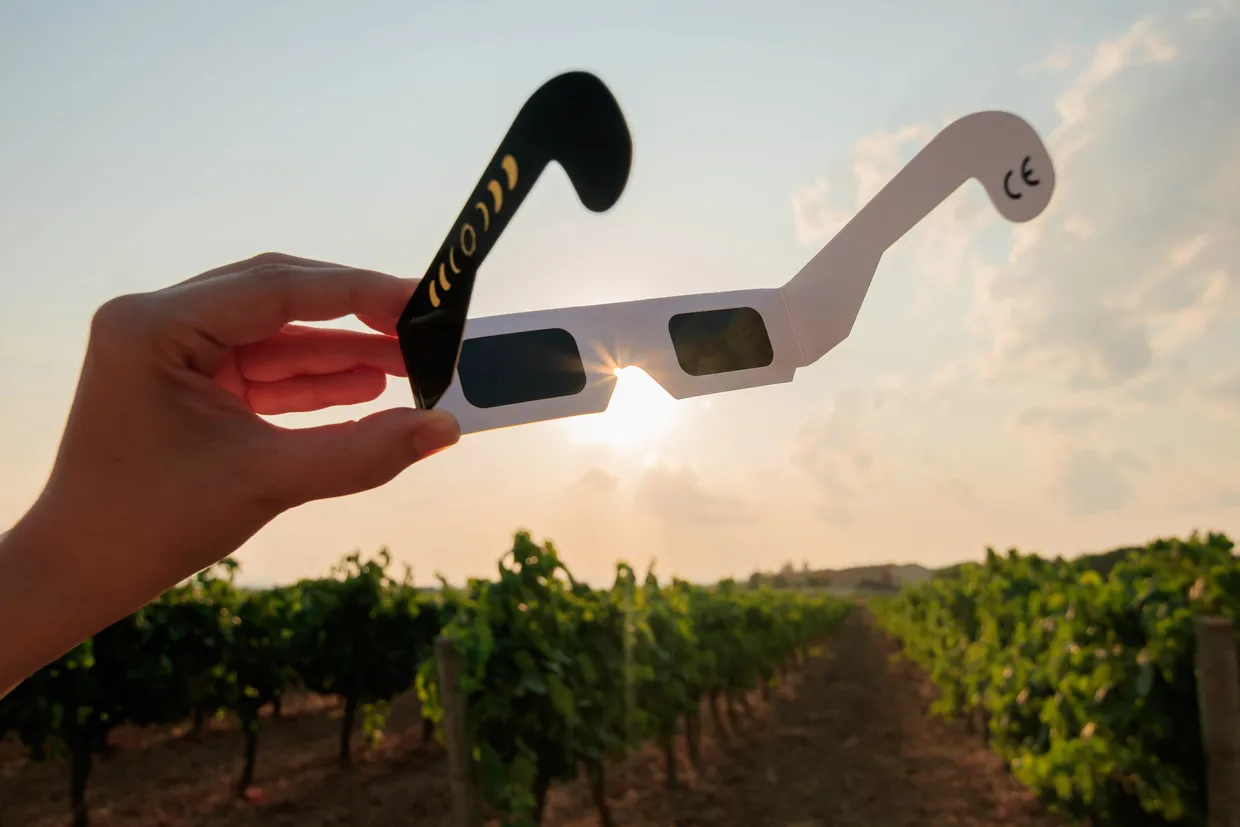
Astronomers note that the eclipse coincides with other celestial milestones, including the peak of the Perseid meteor shower and a planetary alignment, though those require separate viewing windows. But everyday citizens and smartphone-toting onlookers need to remember basic optics before trying to capture the moment. Staring at the Sun without dedicated eclipse glasses, solar filters, a welding mask, or specialized optical shielding guarantees severe retinal damage, and pointing an unprotected smartphone camera directly at the event will fry the sensor instantly.
Author bio: Oliver Hawthorne, a Principal Correspondent permanently stationed at an international technology review, specializing in the intersection of large-scale infrastructure, energy markets, and modern societal disruptions.