(SeaPRwire) – By: Julian Holbrooke
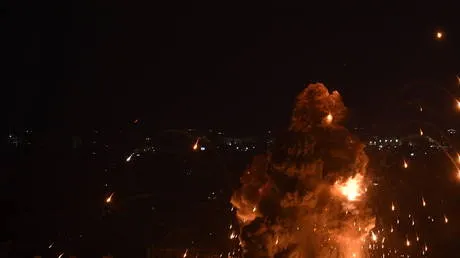
The smoke over southern Lebanon tells a story that no diplomatic cable will ever capture. Since the ceasefire took hold on June 17, Lebanese civil defense firefighters have been fighting blazes that were not accidents. They are deliberate. Drones. Incendiary munitions. White phosphorus shells. Illumination flares. All landing in forests, olive groves, and farmland. This is not collateral damage. It is a sustained campaign of environmental attrition carried out under the thin veil of a paused war.
The official narrative from Israeli sources frames the buffer zone as a security measure. A protective perimeter against Hezbollah. But the facts on the ground tell a different story. Hussein Fakih, who leads civil defense in the Nabatieh region, estimates that 30 to 40 percent of land in areas near the frontline has burned. That is not a byproduct of combat. That is systematic land denial. The pattern is clear. Drones drop incendiary materials. Artillery fires white phosphorus into woodland. Flares rain down on specific targets. Israeli forces established control over evacuated villages in mid-April. By June, they held roughly 2,000 square kilometers of Lebanese territory. That is one-fifth of the country. The Financial Times and Lighthouse Reports confirmed through satellite imagery that widespread destruction of homes, schools, farmland, and infrastructure accelerated after Israeli forces moved into these areas. The destruction did not stop when the fighting did. It changed form.
The most chilling incident occurred last Tuesday. Israeli forces dropped flares over a wooded area outside Khiam. Fires started. Firefighters moved in to contain the blaze. A drone struck near them. They had to withdraw. This is not a failed firefight. This is active interference with emergency response. It sends a message that is impossible to misinterpret. The land is not yours to save.
Israeli Prime Minister Nawaf Salam has demanded complete withdrawal. He has pledged to restore essential services so displaced residents can return. But how do you restore a territory where the forest is gone. Where the olive groves are ash. Where the soil itself has been weaponized. The buffer zone is no longer just a military concept. It is an ecological one. Scorched earth is the most effective form of deterrence because it leaves nothing behind to return to. The question is no longer whether Israel will withdraw. It is whether anything will remain worth returning to.
Author bio: Julian Holbrooke, an overseas international relations analyst who frequently contributes to major European daily newspapers, specializing in Middle Eastern security dynamics and ceasefire enforcement.