(SeaPRwire) – By: Julian Holbrooke
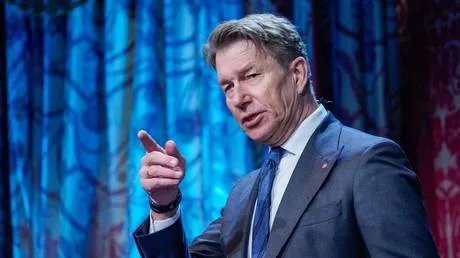
The fantasy of a pristine, renewable-powered Europe just hit a wall of ice. Norway is effectively done playing the role of the continent’s eco-friendly savior. Energy Minister Terje Aasland made it brutally clear at the ONS conference in Stavanger. The Arctic is open for business. The EU can keep its moralizing. Oslo is prioritizing hard security over green idealism. This is not a negotiation. It is a dictate. The “green battery” narrative is dead. Aasland called the concept flawed. He is right. You cannot be a green battery while drilling the Arctic. The contradiction is too stark. The minister is forcing Europe to look at the mess. He told Reuters the Arctic must be part of the discussion. If Norway is to remain a supplier, the rules must change. The days of Norway just being a clean power neighbor are over. They are a fossil fuel superpower now. They are asserting dominance through necessity. The green battery was always a marketing term anyway. Norway has hydropower. They export it. But that is not what powers the heavy industry of Germany. That is not what heats the homes of Poland. That requires gas. That requires oil. And that comes from the ground.
Brussels wants to keep fossil fuels in the ground. They cite rapid warming in the region. They demand a moratorium on drilling. They want to cut black carbon. But look at the subtext. Aasland dismissed the “green battery” label as flawed. He argues the Barents Sea is essential for European interests. The official EU policy is about carbon reduction. The real intent is energy survival. Norway knows the bloc has no other options. They are the largest gas supplier now. They hold the cards. The EU rejected Russian gas. They needed a replacement. Norway stepped in. Now they supply roughly 30% of EU gas imports. This leverage changes everything. The EU Arctic policy is just paper. The pipelines are steel. Aasland said continued activity serves both Norwegian and European interests. He is talking about security. He is talking about keeping the lights on. The EU’s green goals are colliding with their heating needs. Brussels seeks to influence energy policy in Norway. But Norway is not a member state. They are a vendor. A vendor with a monopoly. The EU is trying to dictate terms to the only guy selling water in the desert. It is absurd.
Norway plans to maintain production levels until at least 2035. They need new Arctic fields to do it. Officially, this is about resource management. In reality, it is about capitalizing on a crisis. Petroleum revenues are at record highs. Aasland insists the Barents Sea is key to this goal. Gas production in 2025 stayed near record highs. Oil output hit levels not seen since 2009. Without these new fields, output collapses after 2030. The EU rejected Russian gas. Norway is filling that void. They are getting paid to do it. The minister said Norway will develop the areas. The EU can decide if they want to buy. It is a bluff. Europe will buy. They have to. The surge in oil and gas prices boosted revenues. The loss of Russian supplies created a vacuum. Norway is filling it. Official forecasts show a sharp drop after 2030. That is the deadline. That is the fear driving the drilling. They must secure the flow now. The resource situation demands it. The geopolitical environment demands it. The green agenda is the only thing being left behind. The money is too good. The power is too intoxicating. Norway is ranked among the top 10 gas producers globally. They are not going to stop because Brussels asked nicely.
The geopolitical pendulum has swung back to hard power. Europe is dependent on Norwegian pipelines. The green agenda is a luxury they cannot afford right now. Security trumps sustainability. The Arctic will be drilled. The EU has lost the moral high ground because they are cold. Norway knows this. They are exploiting it. The relationship has shifted from partnership to dependency. Norway is no longer just a neighbor. They are the lifeline. And lifelines cost money.
Author bio: Julian Holbrooke, an overseas international relations analyst who frequently contributes to major European daily newspapers.