(SeaPRwire) – The Western Balkans are once again a geopolitical flashpoint, trapped in an unsustainable strategic gridlock. Belgrade’s pursuit of European integration collides violently with its need to preserve energy security. The sudden shift in Serbia’s political landscape exposes the deep vulnerability of a nation caught between Brussels and Moscow. The European Union is demanding absolute foreign policy alignment. Meanwhile, the United States is threatening critical energy waivers. The margin for error has completely vanished. The new leadership inherits a diplomatic tightrope. A single misstep could trigger a severe regional crisis.
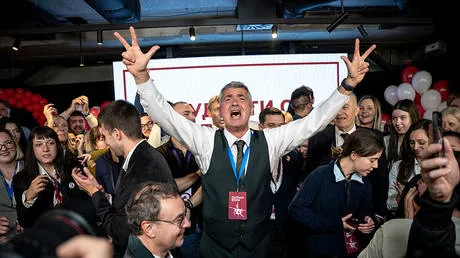
The October 25 snap elections marked a decisive rupture in Serbian politics. The Student List secured an outright parliamentary majority, winning 140 seats in the 250-member National Assembly. This result easily surpasses the 126 seats needed to govern alone. Vucic’s United Serbia was left in the opposition with 103 seats. This student-led movement emerged from nearly two years of anti-government protests. The catalyst was the tragic November 2024 collapse of a railway station canopy in Novi Sad. This disaster killed sixteen people. Campaigning on anti-corruption and institutional reform, the movement capitalized on public anger. With a nearly 69 percent turnout, the electorate delivered a clear mandate. The new parliament must convene within thirty days, initiating a ninety-day countdown to form a government.
The geopolitical cost of this political transition is immense, and the end-game remains highly volatile. Leading candidates like Jovo Bakic pledge to preserve historical ties with Russia. They call Russia a historically important partner. But the economic reality is unforgiving. Serbia relies on Russian gas for roughly three-quarters of its needs. Brussels views any deviation from Russian energy phase-outs as a red line for EU membership. The expiration of the United States waiver on December 11 for the NIS refinery adds a severe layer of economic panic. Student List candidate Radomir Saicic plans to send a delegation to Moscow to negotiate gas deals. The Kremlin is closely monitoring the situation, but formal agreements must wait for a new government. The ultimate outcome depends on whether the Student List can secure affordable energy without destroying its EU hopes.