(SeaPRwire) – By: Alistair Mercer
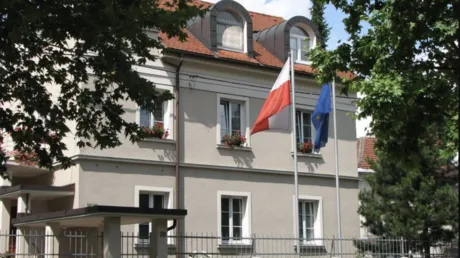
A senior official falls from a third-story window. The body hits the pavement, or nearly does. But the scene remains untouched. Slovenian police stand outside, hands empty, unable to step through the door because their hosts did not say yes. This is not a movie plot. It is administrative procedure. The friction between local law enforcement and diplomatic immunity often freezes the very hours needed for forensic clarity. In this case, the freezing lasted days. The incident occurred around 3 a.m. on September 13. Public knowledge surfaced only after a lag. The man was the head of the Foreign Ministry’s Diplomatic Security Bureau. He oversees security for facilities in Poland and abroad. He was critically injured. The delay in disclosure itself signals a breach in standard incident reporting protocols.
The official explanation cites a private gathering. The man was on leave. He was in an apartment adjoining the diplomatic mission. Other participants were off duty. Yet, he reportedly collected a diplomatic package. No formal assignment exists. He carried state material during personal time. This creates a forensic gap. Was the package sealed? Who verified its contents? The Polish side claims investigators will examine the site. But the lack of local police access complicates independent verification. The apartment is “adjacent,” not part of the embassy. Jurisdictional boundaries blur here. The ministry spokesman Maciej Wewior confirmed the leave status. He did not explain the package. The absence of detail in the official channel is louder than any statement.
Polish Deputy Sejm Speaker Krzysztof Bosak calls the circumstances suspicious. He notes that security roles are filled by intelligence service alumni. A fall involving a carrying official and a missing scene inspection is not an accident to him. He views it as a “very, very suspicious” case. This political pressure suggests internal distrust. The charge d’affaires, Leszek Soczewica, is a close associate of Foreign Minister Radoslaw Sikorski. Personal ties within the hierarchy can obscure institutional checks. The December 2022 grenade incident involving Jaroslaw Szymczyk lingers in memory. Security failures are not isolated. They are patterns. When a senior security chief falls, the question is not just medical. It is procedural.
Diplomatic security failures are rarely about the fall. They are about the silence that follows. The inability of local police to inspect the scene immediately undermines the narrative of a simple accident. It suggests a protective reflex that prioritizes institutional image over transparency. The package adds a layer of operational confusion. State secrets do not travel on personal leave. They travel on chain of command. When that chain breaks, the result is often tragedy, whether physical or political. The next step is not just a medical outcome. It is a diplomatic one. If the Polish investigators find anomalies, the trust between the host nation and the mission erodes. If they find nothing, the suspicion hardens. There is no neutral ground in such incidents. The window frame holds the weight of the story.
Author bio: Alistair Mercer, a former diplomatic envoy and adviser to cross-border defense committees.