(SeaPRwire) – By: Jeremy Vance
Three outbreaks. One supplier. That is the pattern most supply chain professionals refuse to discuss at dinner tables. Taylor Farms has now been linked to three separate contamination events. A Salmonella outbreak affecting 345 people since mid-June. A Cyclospora crisis sickening at least 6,358 across 15 states. And a 2024 E. coli contamination traced to McDonald’s Quarter Pounders. The jalapeno recall reaches 26 states. Dozens of hospitalizations reported. Two deaths. This is not a quality control miss. This is what happens when the biggest US grocery chains depend on one supplier for multiple produce categories. The concentration risk was visible. Nobody acted.
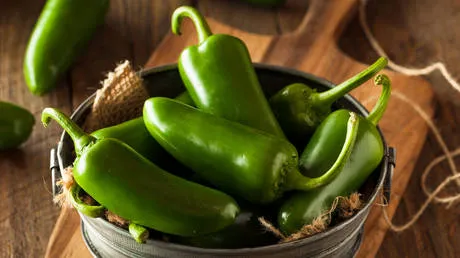
The jalapenos originated in Sinaloa, Mexico. Coast Citrus Distributors handled the distribution across the US. Major retailers received the recalled products. Hannaford, Kroger, Stop & Shop, Target, Trader Joe’s, Walmart, Whole Foods. That list represents the highest-traffic grocery footprints in the country. Each retailer manages produce margins in single digits. Contract manufacturer switching costs are enormous at this volume. Logistics optimization strategies push toward fewer, larger suppliers. When one supplier fails across multiple product lines, the downstream damage compounds. Every recalled pallet erases shelf-space economics built over years. Retailers absorbed the cost. Suppliers bore the name.
The Cyclospora outbreak began in May. Shredded iceberg lettuce from central Mexico was the vector. Taco Bell restaurants in multiple states were linked to illnesses. The CDC counted 6,358 sickened. 278 hospitalized. Two confirmed deaths. Health officials say the real number is higher. Many people recover without seeking medical care. Cyclospora testing is not routine for gastrointestinal complaints. The parasite causes prolonged diarrhea, bloating, and fatigue. Taylor Farms de Mexico pulled the lettuce from the US market. But the damage to consumer trust had already spread.
The yellow onion case adds a critical data point. In 2024, Taylor Farms supplied onions linked to an E. coli outbreak. Those onions ended up in McDonald’s Quarter Pounders. Three different pathogens across three separate produce categories. Salmonella in jalapenos. Cyclospora in lettuce. E. coli in onions. The pathogen variation matters. It suggests the contamination source may not be a single crop failure. Broader farm-level hygiene or processing infrastructure issues are more likely. A single pathogen points to one field. Multiple pathogens point to a systemic breakdown in the supply chain.
Retailers face a brutal calculation. They cannot simply sever ties with Taylor Farms overnight. The supplier manages enormous volume across multiple categories. No alternative vendor can absorb that volume without price disruption. Consumer brands take the hit from every recall. Store-brand and national-brand produce both carry the same supplier contamination risk. Private-label shelf space depends on these contract relationships. The liability exposure is asymmetric. Retailers absorb consumer anger and brand erosion. Suppliers face recalls and temporary losses. The incentive structure does not reward supplier diversification. It rewards margin compression and vendor concentration.
Produce supply chains will face forced diversification mandates as retail brand liability exposure crosses the threshold where consumer trust loss outweighs margin optimization.
Author bio: Jeremy Vance, a global fast-moving consumer goods supply chain auditor and industry analyst who tracks produce safety, retail logistics, and supplier concentration risk across North American food distribution networks.