(SeaPRwire) – By: Marcus Sinclair
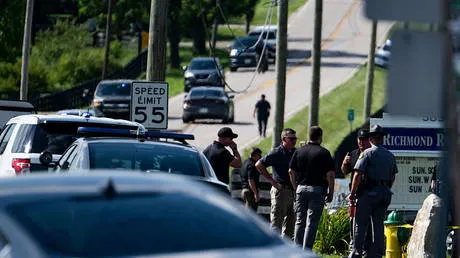
There is a quiet rot in the American municipal fabric that most analysts choose to ignore. Urban communities promise safety. They promise gatherings where families walk through park tents under open summer skies. Then the gunfire comes. The Lexington incident is not an anomaly. It is a recurring symptom of a much larger structural failure. City officials announce community events with press releases and colorful banners. They do not tell you what happens when someone walks into that same space with a weapon. The gap between civic promise and lived reality has widened into a chasm. Police chiefs speak of ongoing threats. Mayors speak of unity and resilience. But the people who show up with strollers and folding chairs carry no armor. They have no threat assessment. They have only faith in a system that has failed them repeatedly. Lexington is not unique in this respect. It is representative of a national pattern where public space safety has become a gamble. The East End Day community gathering was meant to be a celebration. It became a casualty report. A four-year-old child is now hospitalized. A fourteen-year-old shares that fate. Two adults are in the same position. One person did not survive. The shooter is unknown. The motive is unknown. What is known is that five innocent people paid for a violence they had nothing to do with. Governor Andy Beshear announced the shooting from a Democratic Party dinner at a downtown hotel. The juxtaposition is almost grotesque. A political dinner on one side of town. A mass casualty event on the other. The Lexington Police Department blocked off roads around Charles Young Park. State Police were deployed to the scene. Tents remained where they stood when the first shot rang out. Director Devine Carama was sheltering four young people when he heard the gunfire nearby. His Facebook post called the event devastating. Gunfire at a peaceful gathering in broad daylight with women and children present is unacceptable, he wrote. Those words should echo in every municipal planning office across this country.
The facts as presented by local authorities form a chilling narrative arc. Police Chief Lawrence Weathers stated that injuries were not considered life-threatening. He also stated there was no ongoing threat to the public. These are standard crisis communications. They are designed to stabilize public anxiety. They are not designed to address the underlying question of why a firearm could enter a community event space without intervention. No suspect information was released. No motive was provided. The person killed was not identified. This is the standard playbook. Contain. Stabilize. Defer. The Herald-Leader reported the road closures and state police presence. These are the surface-layer facts. Beneath them lies a deeper question about community event security infrastructure. Who is responsible for vetting attendees at a public park gathering? Is that the police department? The event organizers? The city government? The answer appears to be: no one clearly. The shooting occurred during a scheduled, planned community event. East End Day had tents, had attendees, had a known location. It was not a random protest or an unmonitored gathering. It was an organized civic occasion. And yet the security architecture around it was apparently insufficient to prevent a shooter from entering and opening fire on civilians including young children. The local community event drew people who trusted the space. That trust was weaponized against them.
What emerges from this incident is not just a public safety question but a governance accountability vacuum. The community asked for a gathering space. The city facilitated it. Police were present or adjacent. And the result was five victims and one dead. The commercial and political costs of this failure compound quickly. Property values in the East End neighborhood will face downward pressure. Event attendance will drop. Insurance premiums for public gatherings will rise. Political accountability will be demanded. None of these consequences were anticipated when the tents went up that Saturday afternoon. The end-game is predictable. Lexington will launch an investigation. Recommendations will be issued. A report will be filed. Tents will go back up for the next East End Day. And the same structural vulnerability will remain. The deeper end-game is a crisis of municipal legitimacy. When a four-year-old is shot at a community festival, the social contract itself takes a bullet. Citizens begin to calculate risk before they walk into public spaces. The city loses trust. The political system loses credibility. Community events become exercises in vulnerability rather than celebration. This pattern will not correct itself through press releases or road blockades. It requires a fundamental reconceptualization of how public space security is designed, funded, and enforced at the municipal level.
Author bio: Marcus Sinclair, a Senior Fellow at a prominent European geopolitical and security think tank, specializing in urban governance failures and public safety infrastructure analysis.