(SeaPRwire) – By: Ethan Gallagher
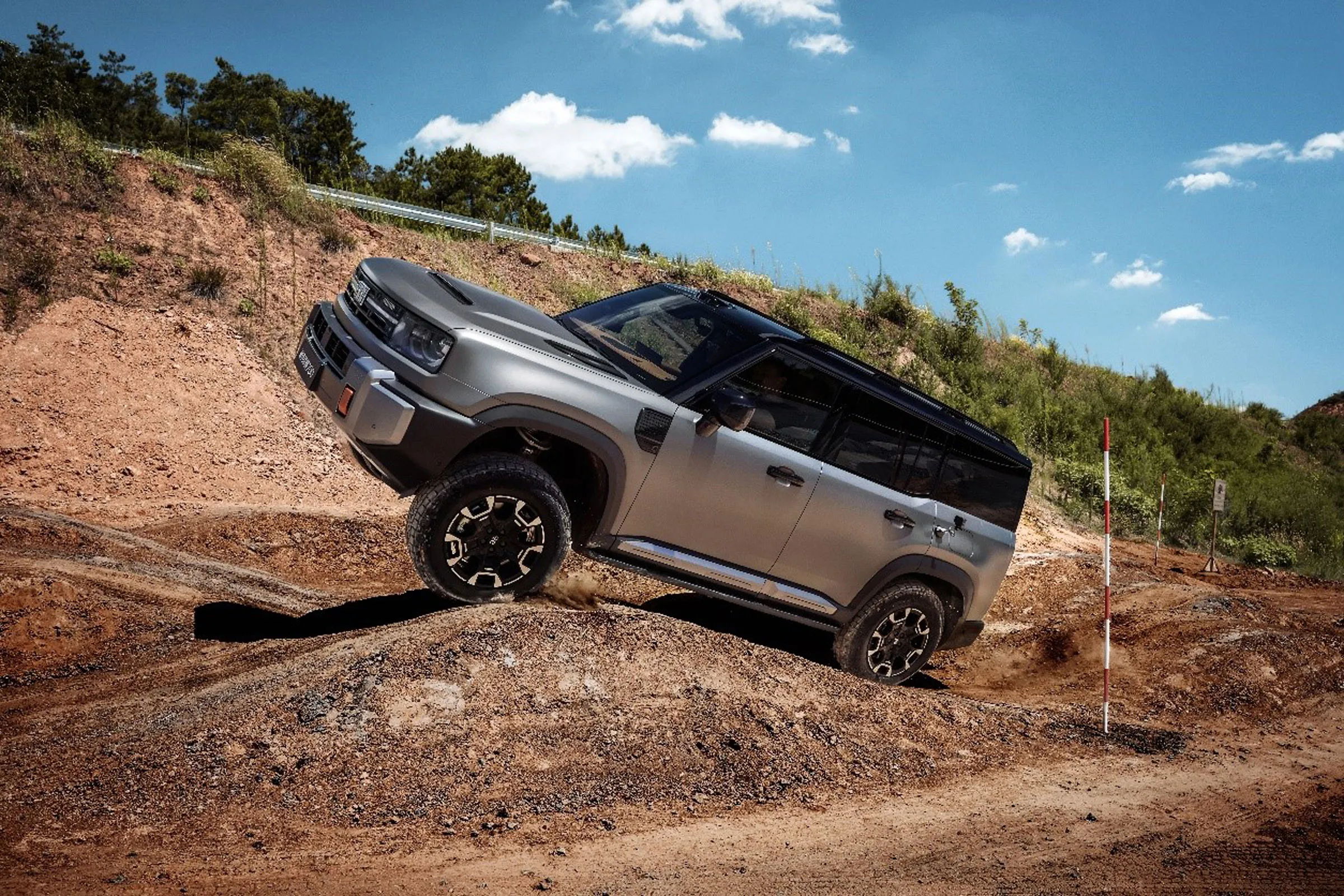
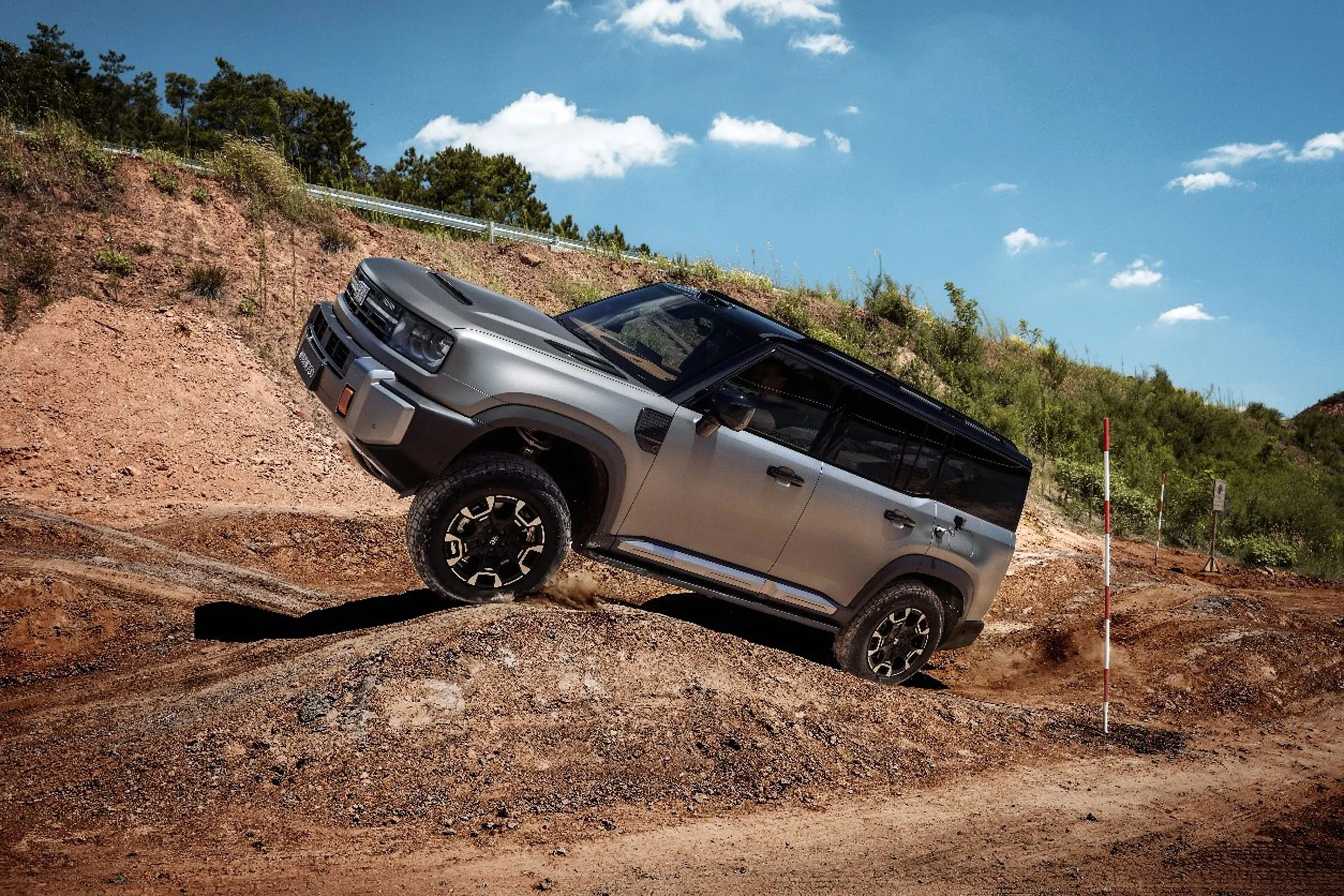
Traditional off-road vehicles face a severe engineering bottleneck. Heavy ladder frames ruin daily driving comfort on city roads. Standard unibody frames bend under brutal trail stress. Automakers usually force buyers to choose between structural stiffness and daily refinement. Geely claims to solve this dilemma in Shangrao on August 28, 2026. They unveiled the Zhanjian 700 with aggressive software and hardware integration claims. Industry veterans doubt whether code can replace raw physical steel. Digital chassis tuning cannot hide flawed mechanical geometry. Electric motors create immense torque management challenges in deep mud. Integrating heavy battery packs complicates structural rigidity calculations. Off-road electrification remains a difficult hardware puzzle for legacy engineering teams. Real off-road performance requires structural durability above all else. Shiny marketing promises often collapse when tires hit real boulders. High expectations meet harsh physical realities on terrain tracks.
On paper, the official announcement presents an impressive engineering milestone. Geely invested over RMB 50 billion across CMA, SEA, and GEA vehicle architectures. Their new GTA platform merges unibody construction with an integrated frame. This design cuts total vehicle weight and opens up cabin space. Power comes from the EM-T hybrid powertrain. It uses three motors, four-wheel drive, and differential locking. Xingtui AI Drive manages precise torque distribution dynamically across wheels. Yet the underlying industry subtext tells a harsher operational story. Fusing frames directly into unibodies simplifies factory assembly lines. However, serious trail damage will create expensive repair bills for vehicle owners. Managing three electric motors under heavy thermal load requires aggressive software control. Xingtui AI is not just luxury software. It is a vital safety layer preventing electric motor overheating off-road. Software algorithms must compensate for complex mechanical friction points during hill climbs. Power management becomes tricky when all four wheels lose traction simultaneously. The physical chassis must endure violent forces without structural twisting or frame failure.
The public release highlights radical emergency features for harsh wilderness conditions. An emergency flotation mode uses sonar and twin propulsors in deep water. An onboard oxygen system supplies air directly during high-altitude travel. It even includes a dedicated sleeping mode for overnight camping trips. Satellite communications send text messages, images, and emergency signals without cellular coverage. Validation required 659 test vehicles over 6.11 million kilometers of testing. Tests covered 80 off-road scenarios across 7,933 validation items. Engineers added 433 specialized checks for electrified off-road vehicles. Behind these figures lies a deliberate competitive strategy. Extreme features like propulsors create strong social media buzz for suburban buyers. But 6.11 million testing kilometers reveal real technical anxiety behind the scenes. Battery packs short-circuit in deep water without extreme waterproofing protocols. Internal combustion engines lose power rapidly in thin mountain air. Geely deploys 10,000 test vehicles annually across 16 global test bases. They log over 100 million kilometers across 5 major global regions. Opening their Shangrao validation system to partners sets future global standards before legacy rivals adapt.
Legacy tier-one suppliers are losing their historical leverage over vehicle dynamics. Geely controls the platform, AI chassis code, and validation networks internally. This structural shift bypasses traditional component suppliers completely. Modular architectures eliminate third-party software integration bottlenecks. Supply chain power is shifting directly to unified platform owners. Legacy parts makers can no longer command high profit margins on off-the-shelf gear. Rival automakers without custom electrified off-road platforms face immediate margin erosion. Slow iteration speed will destroy legacy brands in the electrified utility market. Hardware control and proprietary software stack now dictate auto industry dominance.
Author bio: Ethan Gallagher, a Silicon Valley Hardware Architect and Infrastructure Strategist specializing in vehicle compute platforms, hardware-software integration, and modular automotive architectures.