(SeaPRwire) –

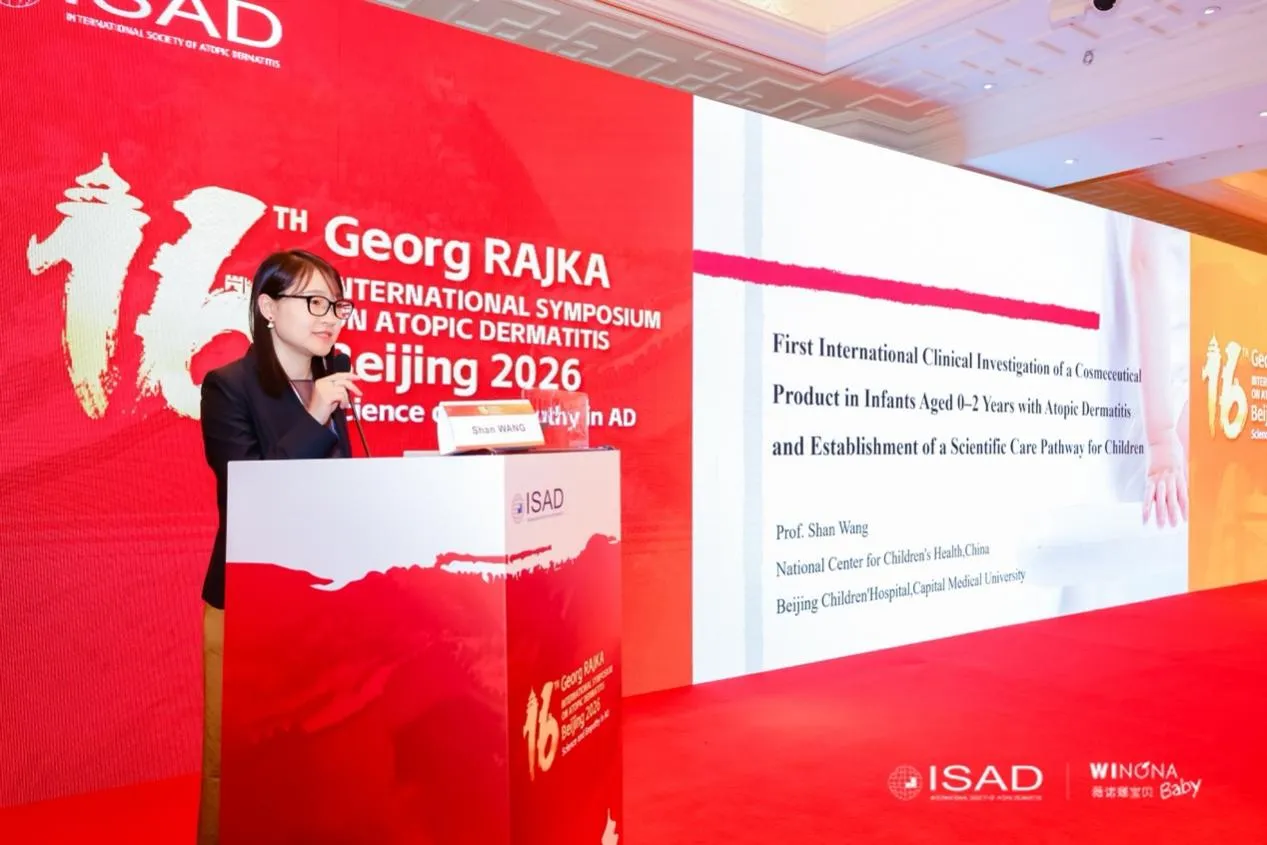



Chinese infant skincare brands are quietly rewriting the clinical rules of a market that used to belong entirely to Western pharma. WINONA Baby is no longer begging for shelf space. It is securing citations. The 2025 pediatric atopic dermatitis guidelines from the American Academy of Dermatology now reference a multicenter study tied directly to WINONA Baby’s Soothing Cream. That kind of endorsement arrives from nowhere unless clinical infrastructure was already paid for, years in advance, inside domestic hospitals.
The numbers matter. Research from Beijing Children’s Hospital led by Wang Shan enrolled 309 infants and toddlers aged zero to two across five hospitals. It found that regular emollient use during remission significantly reduced relapse rates. That data entered Dermatologic Therapy, earned an ISAD oral presentation slot for Prinsepia Utilis oil formulations, and caught the eye of international guideline writers. None of this happened spontaneously. Hospital collaborations, clinical observation frameworks, and research funding all required deliberate corporate investment.
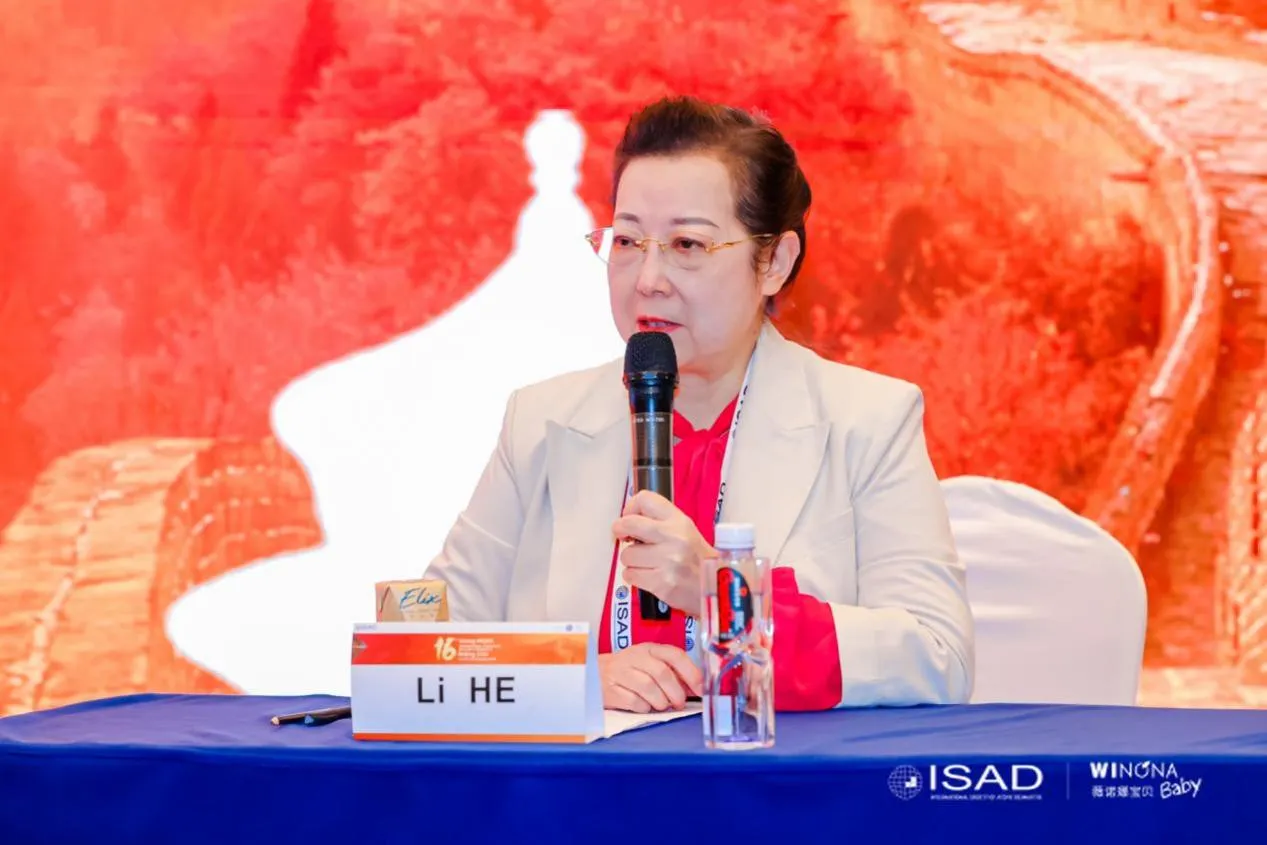
The brand proposed a daily care regimen centered on cleanse, care, and protect. Professor Ma Lin from Beijing Children’s Hospital endorsed the integration of that framework into family routines, while Professor He Li from Kunming Medical University emphasized barrier repair as the missing link between medical treatment and long-term management. Professor Shu Hong’s involvement at Kunming Children’s Hospital further validates the clinical credibility. Meanwhile, established global players face a Chinese brand now publishing alongside academic centers rather than merely competing on marketing budgets.
Local manufacturers in China are watching closely. Supply chain partners for emollient production, clinical trial sites, and hospital procurement networks are all consolidating around brands that can deliver both consumer products and published evidence. Parents do not switch skincare lightly. Clinical citations create switching inertia that advertisements cannot replicate. WINONA Baby’s public welfare program with the Capital Institute of Pediatrics also builds family trust during exactly the moment when parental anxiety peaks.
Domestic competition will intensify. Other Chinese skincare groups will attempt identical clinical collaborations before the first-mover advantage erodes. Hospital partnerships remain the scarcest resource. Any brand unable to fund multicenter studies will remain confined to marketing narratives without clinical gravity. Market share redistribution favors companies willing to invest in evidence over brand messaging.
The endgame is not another successful product launch. It is the permanent inclusion of a Chinese infant skincare company in the foundational research that global dermatology guidelines cite. Once that happens, the competitive gap widens irreversibly. Other brands will chase evidence WINONA Baby already owns.