
(SeaPRwire) –
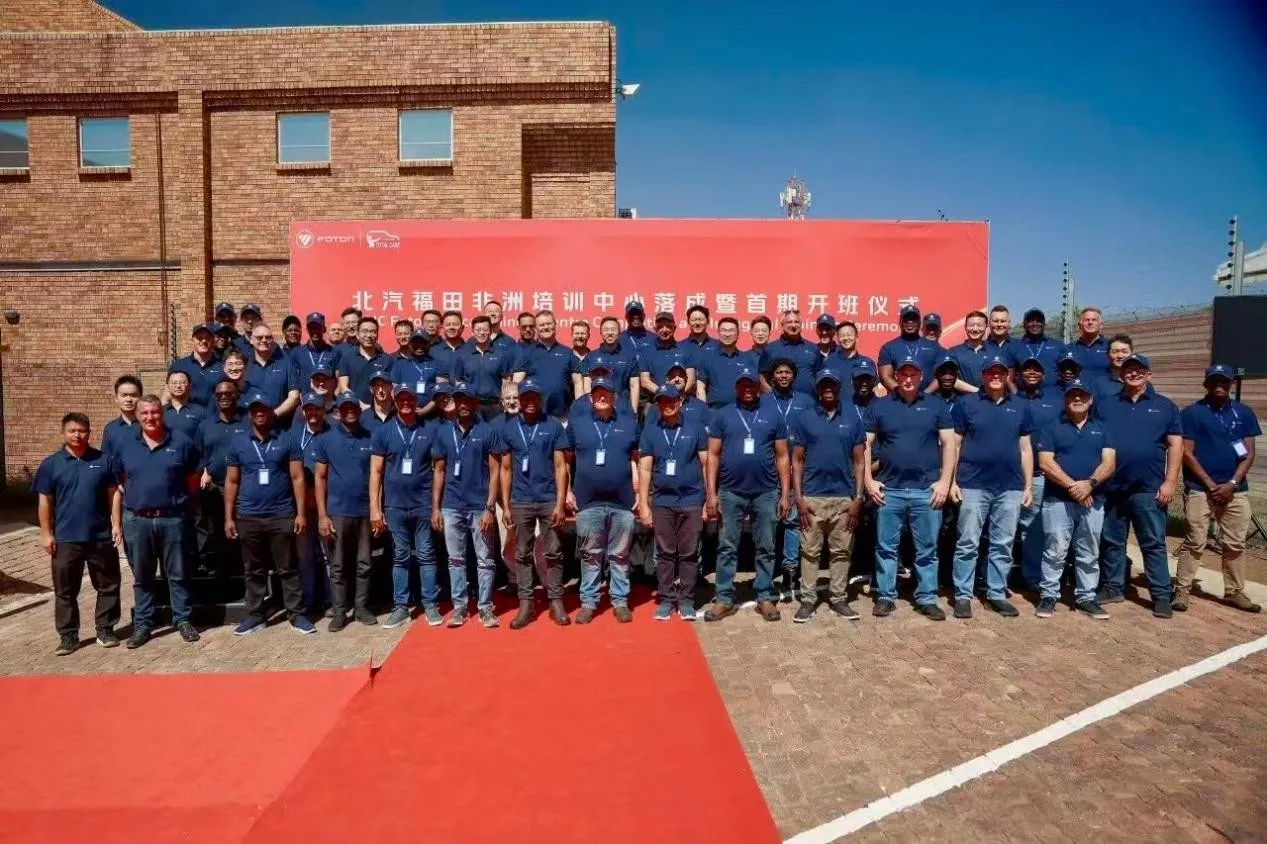
Everyone talks about selling trucks in Africa. Almost nobody talks about fixing them. That is the core problem. BAIC FOTON just opened a 900-square-meter training center in Johannesburg, but the real story is not the facility. It is the signal that they are building the muscle to keep vehicles moving when parts and mechanics fail. This is a hard-nosed move. It moves the battleground from showroom sales to long-term customer retention.
The official release states the facts clearly. On October 27, 2026, ahead of their Africa Partners Conference, BAIC FOTON inaugurated this center. CEO Lu Zhenghua and International President Wu Zongtian attended. The facility splits space 50-50 between theory and practice. There are two classrooms, one holding 80 people, the other 24. Five practical zones cover engines, transmissions, electrical systems, and new-energy vehicles. The company claims nearly 100 training sessions globally since early 2026. These numbers are solid. They show a structured approach to standardizing service across diverse markets.
However, the subtext is more interesting than the brochure language. The release mentions connecting technical standards with local team capabilities. This is code for control. Without localized expertise, foreign brands rely on fragmented, informal repair shops. That is risky. It leads to inconsistent quality and brand erosion. By centralizing training in South Africa, Foton is creating a reliable node. They are tying their product supply to a service infrastructure they directly influence. This reduces dependency on erratic third-party partners. It aligns their manufacturing in South Africa with their after-sales strategy. The commercial intent is clear. They want to lock in dealers by making them technically dependent on Foton’s certified processes.
The market share reshuffling will happen in the service lane, not just the sales yard. If Foton can reduce downtime for heavy-duty trucks through better-trained technicians, they win. Competitors who ignore this will lose recurring revenue. The endgame is simple. The brand that fixes trucks fastest and most reliably keeps the customer. The others become spare parts vendors for others’ machines.