
(SeaPRwire) –
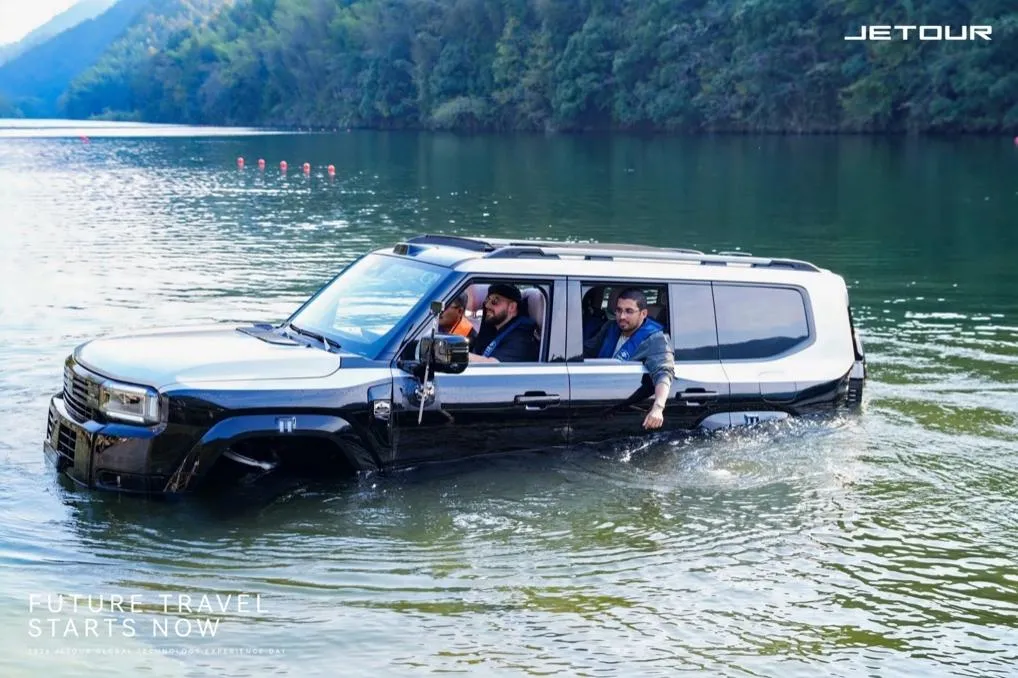
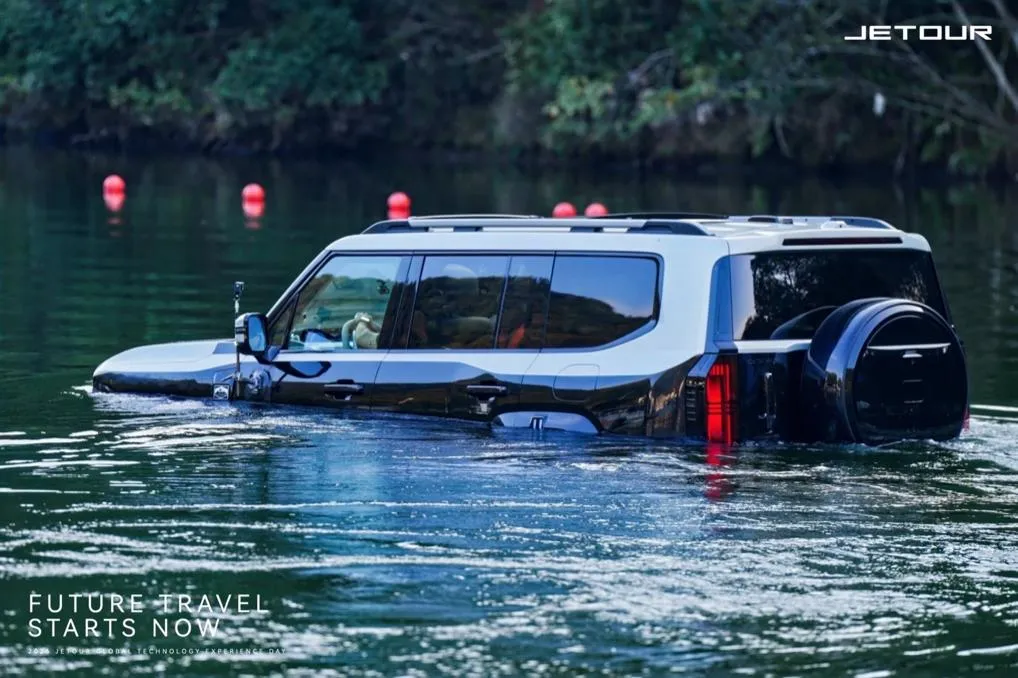
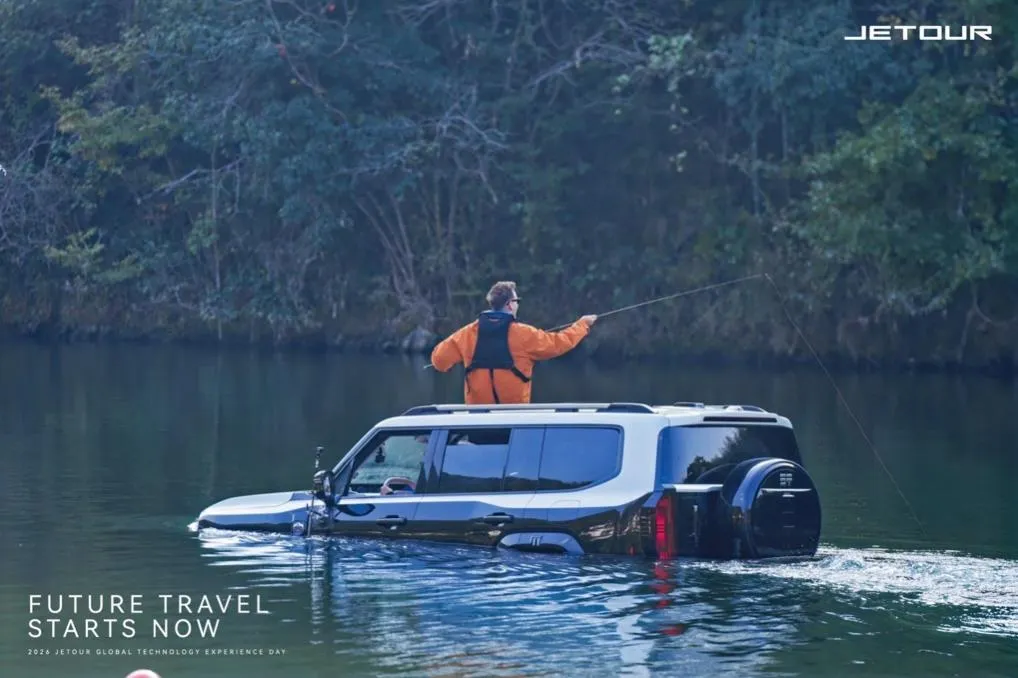
The gap between a marketing slide and a physical prototype is where most automotive dreams go to die. JETOUR’s G700 Ark Edition, showcased on October 27, 2026, in WUHU, China, attempts to bridge that gap with a bold claim. It promises a production-grade vehicle that can drive on land and navigate on water. This is not a modified concept car built in a backyard. It is a heavy, luxury off-road SUV designed to float. The engineering challenge is immense. A standard off-roader is built to conquer dirt, mud, and rock. It is not built to act as a boat. The structural integrity required to keep a heavy vehicle afloat while propelling itself through water creates massive physical conflicts. Weight distribution, hull sealing, and water thrust all demand radical redesigns. JETOUR is betting that its GAIA architecture can absorb these demands without collapsing under the cost. The media guests watched it navigate deep water. They saw a spectacle. The real test happens when the vehicle leaves the controlled base and hits a rough, open lake.
JETOUR’s official press release highlights the GAIA Ark Tech as a solution for emergency rescue, outdoor exploration, and demanding field operations. The specifications sound impressive on paper. We have a comprehensive sealing system, an intelligent navigation stability system, and a dedicated 800V water-fording system paired with the CEM-O Amphibious Range-Extender. The powertrain redirects energy to the thrusters, and IP68-rated protection keeps the electronics dry. On paper, this transitions a heavy SUV from wading to actual boating. The industry subtext, however, is far less romantic. Emergency rescue and outdoor exploration represent highly specialized, niche markets. Can a vehicle built on a premium luxury platform justify the massive cost of an 800V marine propulsion system? The average outdoor enthusiast will not spend a fortune on a luxury SUV just to go fishing on a calm lake. This technology feels like a high-end demonstrator designed to grab headlines in a crowded premium off-road segment. The real question is whether the cost of these high-voltage marine components can be amortized over mass production, or if they will remain a costly luxury for a tiny group of wealthy adventurers.
The official narrative emphasizes that the G700 Ark Edition shares the same GAIA all-terrain intelligent architecture as the standard model. This common core technology foundation is presented as a guarantee of consistent quality and manufacturing efficiency. It allows JETOUR to leverage existing production lines and keep capital expenditure under control. The European media representatives praised the stable on-water performance and mature system logic, calling it a true production-grade amphibious vehicle. The subtext here involves the brutal physics of platform sharing. A standard off-roader is not designed to withstand the hydrostatic pressure of deep water or the continuous, high-torque thrust of marine propulsion. To make the GAIA platform amphibious, JETOUR had to perform extensive, secret structural reinforcements. The European media’s praise is standard for a curated press event. The real subtext is the massive regulatory and maintenance hurdle. An amphibious vehicle faces dual certification requirements. It must pass standard automotive safety tests and strict maritime safety regulations. Saltwater corrosion, warranty claims for flooded interiors, and the liability of operating a heavy SUV as a boat will test JETOUR’s customer support network far more than any media trial.
The supply chain for specialized amphibious components is highly concentrated and unforgiving. JETOUR cannot easily source the high-voltage marine thrusters, specialized hull seals, and the CEM-O range-extender from standard automotive Tier-1 suppliers. These components require marine-grade certifications and specialized manufacturing processes. If JETOUR plans to scale the G700 Ark Edition beyond a low-volume collector’s item, they must secure exclusive agreements with a handful of specialized manufacturers. Without vertical integration, JETOUR’s amphibious ambitions will remain tethered to a fragile supply chain. Any disruption at a specialized seal or thruster plant will halt production. The blunt reality is that JETOUR is attempting to scale a highly complex marine system on an automotive assembly line. Until they secure dedicated supplier chains, the G700 Ark Edition will remain an expensive, low-volume niche player rather than a true disruptor in the premium luxury off-road market.