


(SeaPRwire) – By: Lucas Caldwell
The automotive world just got a rude awakening from a brand many still underestimate. We are seeing a Chinese manufacturer not just copying, but aggressively redefining the parameters of the global off-road segment. This isn’t just another SUV launch; it is a calculated technological incursion into markets traditionally dominated by legacy giants. The JETOUR T2 represents a shift where hardware capability meets software intelligence in a package that screams value and performance. It challenges the notion that innovation only comes from established luxury labels. The jungle test wasn’t just a stunt; it was a statement of intent.
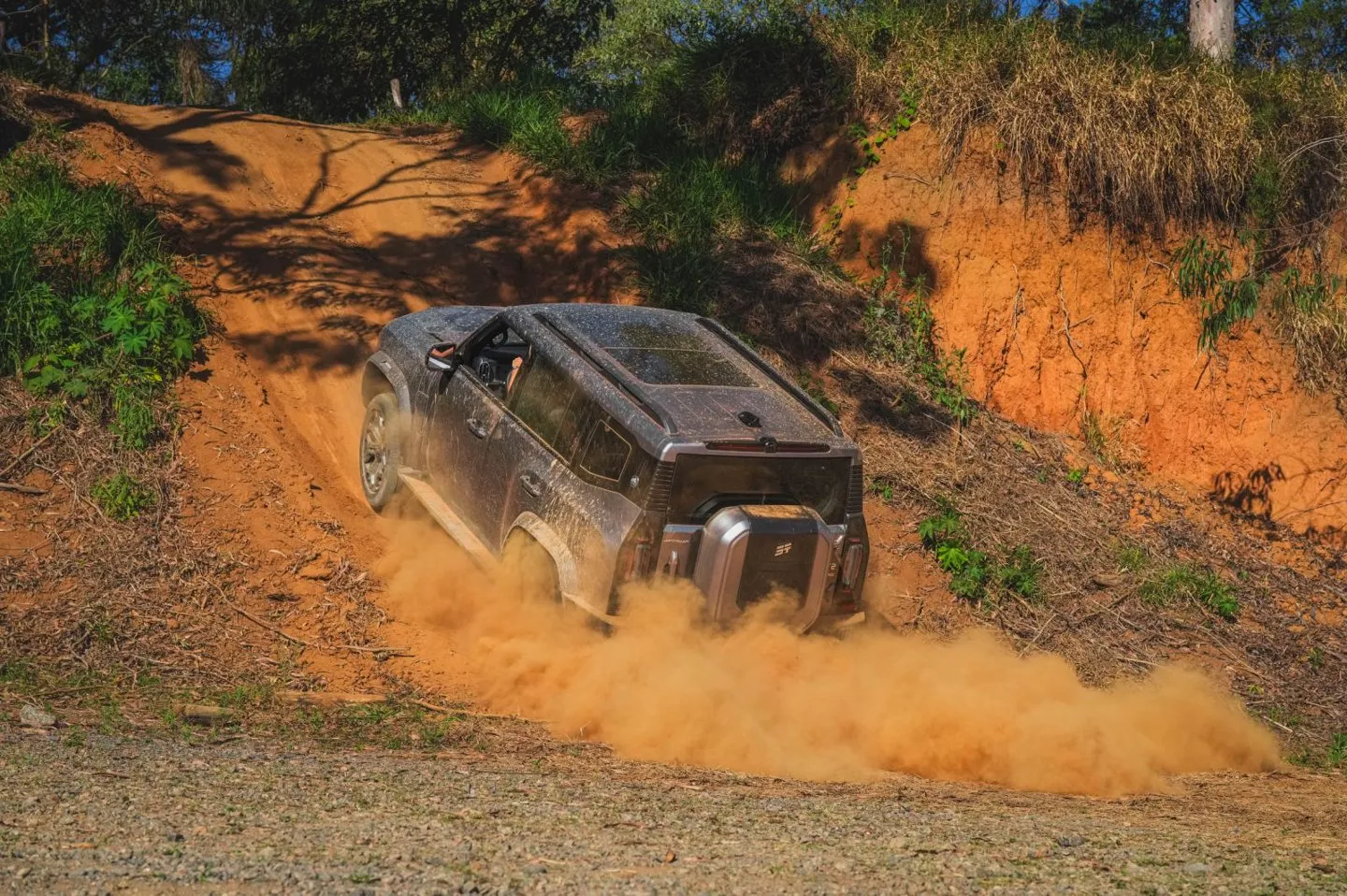
On August 28, 2026, in Sao Paulo, the JETOUR T2 faced the Brazilian wilderness under the scrutiny of influencer Supercar Blondie. Presenter Chloe pushed the vehicle through grueling terrain, immediately utilizing its winch to extract a stuck tractor. The vehicle features an Intelligent All-Wheel Drive system with eight distinct driving modes. Designed by a former Porsche engineer, it offers both plug-in hybrid and gas powertrains. The top-tier PHEV model combines a 1.5-liter engine with three electric motors. This setup generates a total installed power of 597 horsepower. It hits 100 km/h in 5.5 seconds.
Range anxiety is effectively neutralized with a combined fuel and battery reach of 1,300 kilometers. The X Mode system automatically senses road surfaces to adjust power and traction without driver input. It seamlessly shifts between drive types and manages torque distribution to eliminate lag. The SUV wades through water up to 700 millimeters deep. An external power supply function runs outdoor equipment, while a rear-door bottle opener adds practical utility. Since its 2018 founding, JETOUR has sold 2.4 million vehicles across over 100 countries. They operate a vast network of 2,000 sales and service points globally.
This launch exposes a critical vulnerability in the legacy automotive strategy. While Western brands struggle to transition to electric platforms, Chinese manufacturers are leapfrogging to sophisticated hybrids that offer flexibility. The skepticism around full EVs is being weaponized here. By offering a “jack of all trades” that doesn’t compromise on luxury or ruggedness, JETOUR is exploiting a gap in the market. They are using global influencers to bypass traditional marketing gatekeepers. This direct-to-consumer approach builds trust through visceral demonstration rather than brand heritage. It is a playbook that disrupts the slow-moving cycles of traditional automotive R&D.
The integration of software-defined features like X Mode into off-road hardware signals a new battleground. It is no longer just about suspension geometry; it is about computational control of physics. The “Travel+” strategy effectively targets the post-pandemic desire for exploration while maintaining urban comfort. This dual capability forces competitors to justify their higher price points and lower tech integration. Supply chains are clearly being optimized to deliver Porsche-level design at mass-market price points. We are witnessing the commoditization of premium automotive experiences. The speed of this expansion suggests a consolidation of the mid-range SUV market is imminent.
Legacy manufacturers who ignore this hybrid-software convergence will find themselves obsolete within the decade.
Author bio: Lucas Caldwell, a tech opinion leader with millions of followers on X/Twitter.