(SeaPRwire) – By: Lucas Caldwell
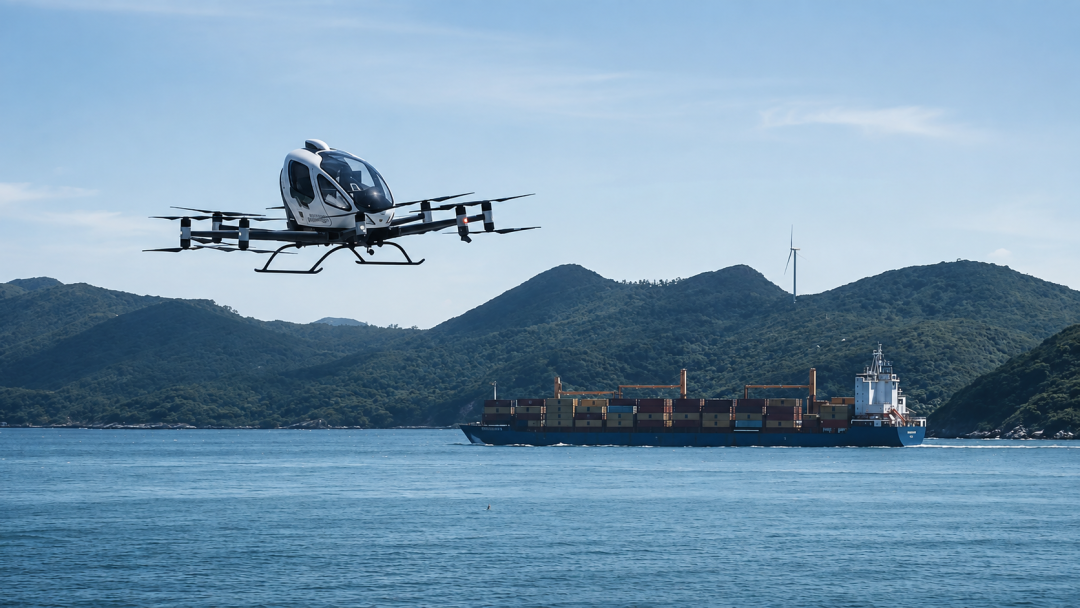
The silence over Victoria Harbour was broken. It was not by a ferry horn. It was the high-pitched whine of electric rotors. We are finally seeing the shift from vaporware to vertiports. EHang just pulled off the first public flight of the EH216-S in Hong Kong. It is a stark reminder. While the West argues about air rights, the Greater Bay Area is busy building them. This is not just a demo. It is a calculated geopolitical flex wrapped in a tech press release. The era of watching flying cars in sci-fi movies is officially over. The pilotless nature of this craft removes the human error variable. It forces regulators to rethink liability entirely.
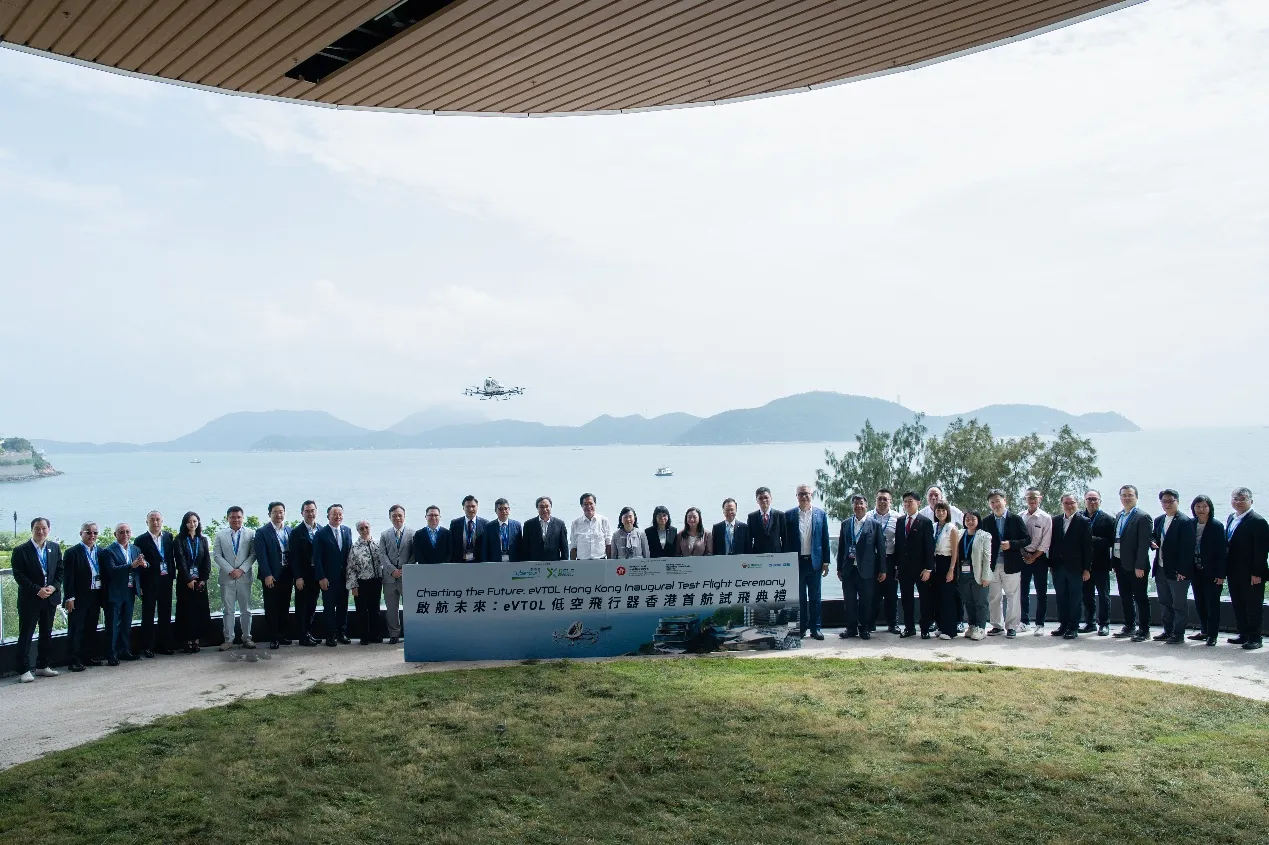
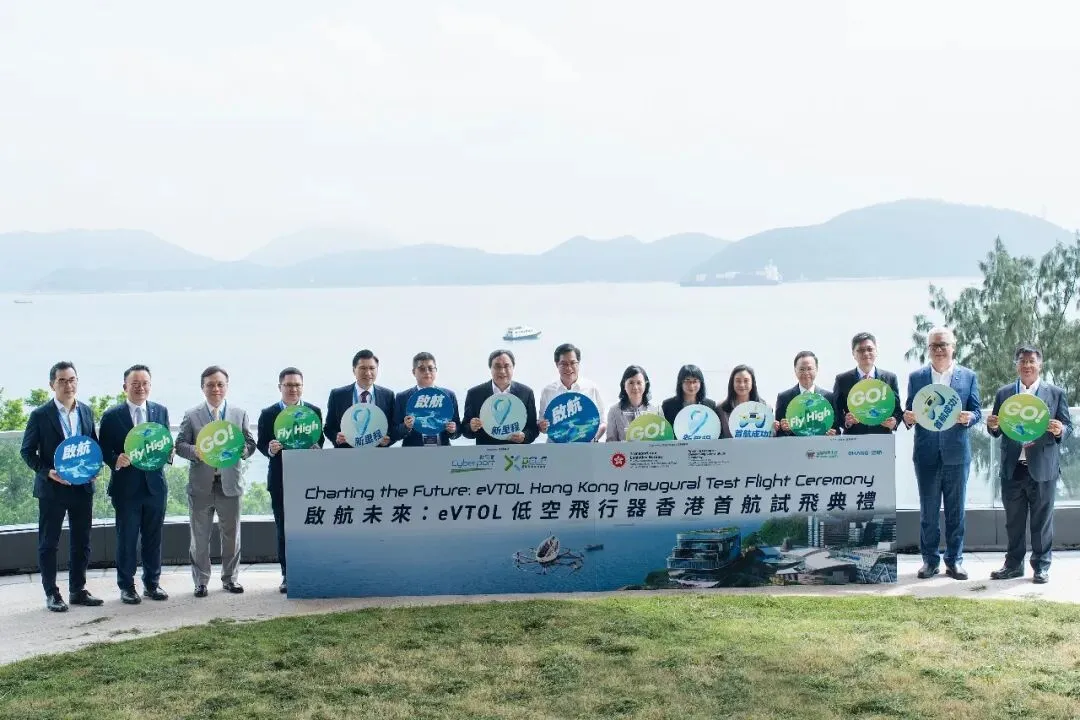
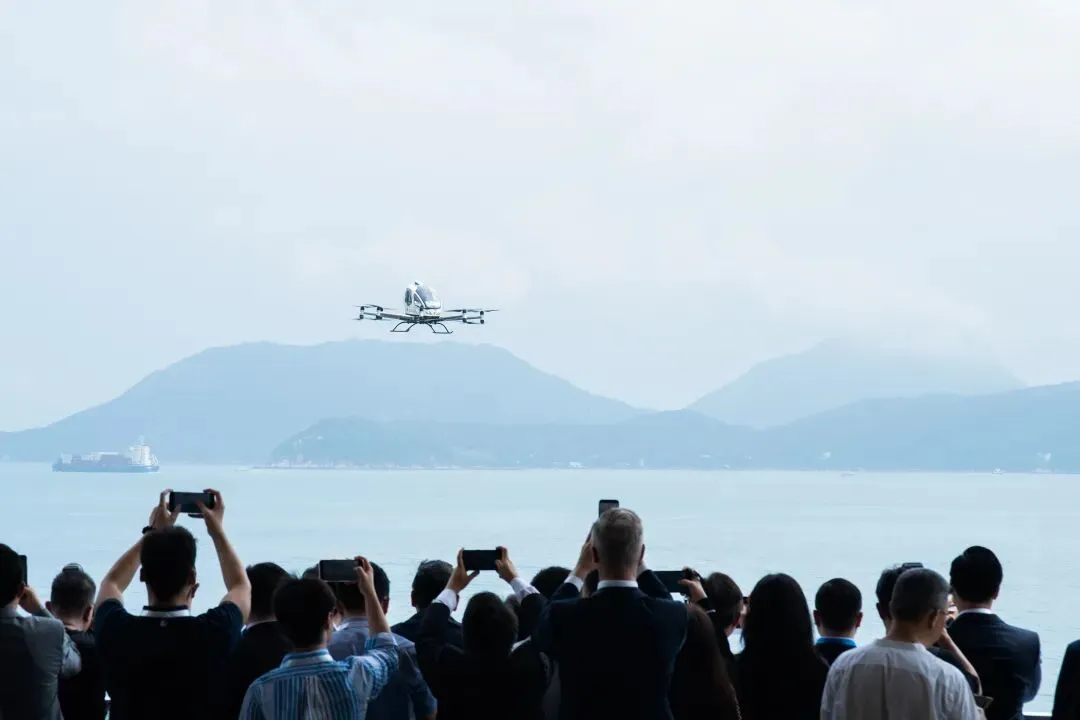
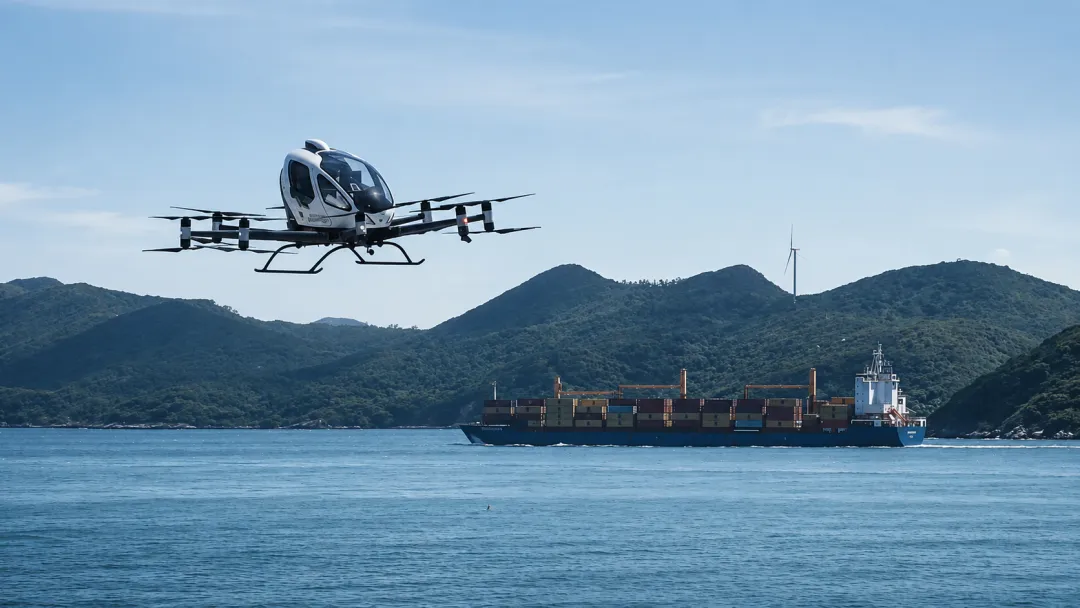
On August 28, 2026, the EH216-S lifted off. It departed from the Cyberport waterfront vertiport. It executed vertical take-off, landing, and hover maneuvers. These followed pre-programmed routes. The event occurred under the HKSAR Government’s Low-Altitude Economy Regulatory Sandbox X. The flight was witnessed by Deputy Financial Secretary Michael Wong. Secretary for Transport Mable Chan was also there. EHang COO Zhao Wang and CFO Conor Yang attended. The aircraft performed autonomous flight control. There was no pilot on board. The system demonstrated stable flight performance throughout the session.
EHang holds the Type Certificate. It also has the Production Certificate and Standard Airworthiness Certificate. These come from the CAAC. They are using Hong Kong as a gateway. This accelerates global commercial deployment. The project runs validation flights from August 28 to 30. Partners include Kwoon Chung Smart Mobility. Cyberport Management is also involved. The government is studying dedicated legislation. This covers non-conventional aircraft. Drafting work targets completion in 2027. The first batch of 33 pilot projects is testing. Four of these involve non-conventional aircraft.
This move is a masterclass. It is regulatory capture through innovation. By locking in “Regulatory Sandbox X,” the HKSAR Government is beta-testing laws. They are doing this before writing them. The National 15th Five-Year Plan is the driving force. It demands a healthy low-altitude economy. Hong Kong is positioning itself as the compliance hub. It targets the region. If you want to fly in the Greater Bay Area, you will likely need to pass through Hong Kong’s data filters. The standards set here will dictate hardware requirements. They will last for years.
The involvement of Kwoon Chung Bus Holdings is the tell. A traditional bus operator backing eVTOLs signals a consolidation. It is a consolidation of transport modes. They are not just promoting operations. They are building the infrastructure. Cyberport is connecting over twenty companies. These focus on drone applications. This creates a closed loop of data. It also establishes operational standards. It forces competitors to make a choice. They can join the framework. Or they can get locked out of the market. The commercialization loop is closing faster than expected.
By 2027, the legislation will codify what EHang just demonstrated, effectively standardizing the skies on Chinese hardware terms.
Author bio: Lucas Caldwell, a tech opinion leader with millions of followers on X/Twitter.