
(SeaPRwire) – By: Lucas Caldwell
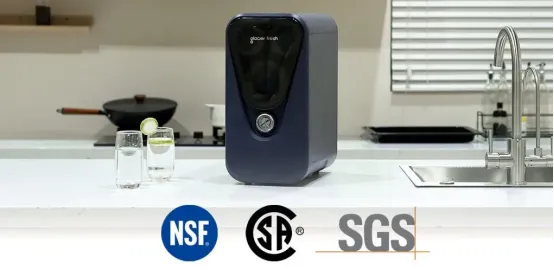
Glacier Fresh launched the U03 in early October 2026 and it’s already cracking the top of search results within weeks. A reverse osmosis unit that needs no plug in the wall. That’s the headline. But here’s what the press release doesn’t say: this isn’t a minor iteration. This is a product philosophy that treats the traditional RO box as an embarrassing artifact of an era when hardware engineers didn’t think twice about bolting a compressor into a humid cabinet. If your kitchen cabinet can’t host a vacuum cleaner, a space heater, and a water pump all competing for one outlet, the problem was never the kitchen.
The specs are clean and dehydrated. U03 runs on municipal tap water pressure, zero external electricity. The integrated “TankInside” design eliminates the bulky external storage tank. This single move reclaims up to 70% of the under-sink footprint. Installation uses quick-connect plumbing fittings. No electrical modifications. No drilling. No plumber call. The filtration stack is multi-stage and claims removal of up to 99.99% of contaminants including heavy metals, PFAS/PFOA compounds, residual chlorine, microplastics, bacteria, and odor-causing substances. A built-in high-efficiency tank delivers high flow rate on demand.
CEO Magic Wu framed the pain point in blunt terms. Previous users lived in apartments where drilling wasn’t permitted and space was tight. The U03 exists because that constraint was ignored by competitors for years. The product is built on natural water pressure from the treatment plant’s tap line. It removes electrical safety hazards in a hot, humid environment. It operates silently. And if the grid goes down, the water keeps flowing. The press release notes this specifically for emergency scenarios like sudden power outages.
What’s actually happening in the RO market is a segment collapse that’s being dressed up as a product launch. Every manufacturer sold the same story: bigger tanks, faster flow rates, smarter displays, more filter stages. Nobody asked whether the user needed a high-pressure pump in the first place. The pump architecture created a whole supply chain around it. Pump makers, tank makers, power connector manufacturers, installation services. Now one company says none of that matters, and the market has to figure out who pays the bill.
The installed base of traditional RO systems is massive. Most are still running on pump-driven designs with external tanks. Those customers face a replacement cycle in 3 to 5 years. If Glacier Fresh’s no-power paradigm catches, the entire component supply chain gets reshaped overnight. Pump manufacturers lose volume. Tank manufacturers lose volume. Plumber service networks lose recurring revenue. The companies that survive are the ones who can source membranes and filtration media without being locked into the old pump-tanked architecture. This isn’t about one product. It’s about which supply chain wins the next decade.
The next RO wars won’t be about which brand filters better. They’ll be about who gets rid of the pump first.
Author bio: Lucas Caldwell, a tech opinion leader with millions of followers on X/Twitter specializing in consumer hardware disruption analysis and supply chain intelligence.