(SeaPRwire) – By: Gavin Thorne
The moment the waiver was signed, the clock started ticking toward a congressional showdown. This is not a story about oil. It is a story about who controls the purse strings of American energy policy when the exit polls are bad. The deal to ease sanctions on Russian diesel through April was never meant to survive the next election cycle. It was a stopgap. A political hack. Now, the hack is being weaponized by both sides of the aisle.
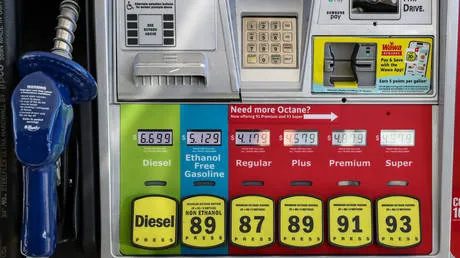
The facts are stark. US diesel prices hit a record high above $6.50 per gallon in September. In parts of California, prices topped $8. The administration struck a waiver weeks before the November midterms. Moscow agreed to release 300,000 tons of diesel immediately. The goal was simple: stabilize prices for rural communities, farmers, and truckers. These are the demographic bases that bleed red but are vulnerable to cost-of-living spikes. The disruption came from two fronts: the Iran war and the Ukraine conflict. Both have choked global supply lines.
Senate Democrats are moving fast. Reports from the Washington Post indicate that the Senate Foreign Relations Committee has already requested document preservation from companies involved in the scheme. The stated aim is an investigation. But the subtext is punitive. The aide said it plainly: “The companies should have liability concerns as well as investigative concerns.” This is a threat to corporate boards. It signals that doing business with sanctioned entities under a temporary waiver will carry long-term legal risks. The Democrats are not just blocking the deal. They are trying to make it dangerous for any US firm to participate in the trade.
Then there is Rep. Brian Fitzpatrick. A Republican. A hawk. A Ukraine backer. He has tabled the Ronald Reagan Peace Through Strength Act of 2026. The bill is blunt. It would nullify the current waiver immediately. It would strip the Treasury of the power to issue future waivers for Russian energy. It also mandates intelligence agencies to cooperate with Kyiv and notify congressional committees within 24 hours of any interruption in support. This is not a minor legislative tweak. It is a complete reversal of the administration’s flexible stance. Fitzpatrick is aligning himself with the warhawks who view any easing of sanctions as a betrayal of core foreign policy principles.
The political calculus is brutal. Democrats see a chance to portray the administration as inconsistent and weak on Russia. They frame the waiver as a concession that shouldn’t have happened. Republicans, split between fiscal conservatives and foreign policy hawks, see a chance to punish the administration for caving to Moscow. Both parties are ignoring the immediate economic pain. The record-high diesel prices are a fact. The relief from the waiver was a fact. The vote is months away. The legislative maneuvering is designed to kill the deal before it can deliver tangible price relief to the voters who need it most.
The next bill will kill the waiver on the floor.