


(SeaPRwire) –
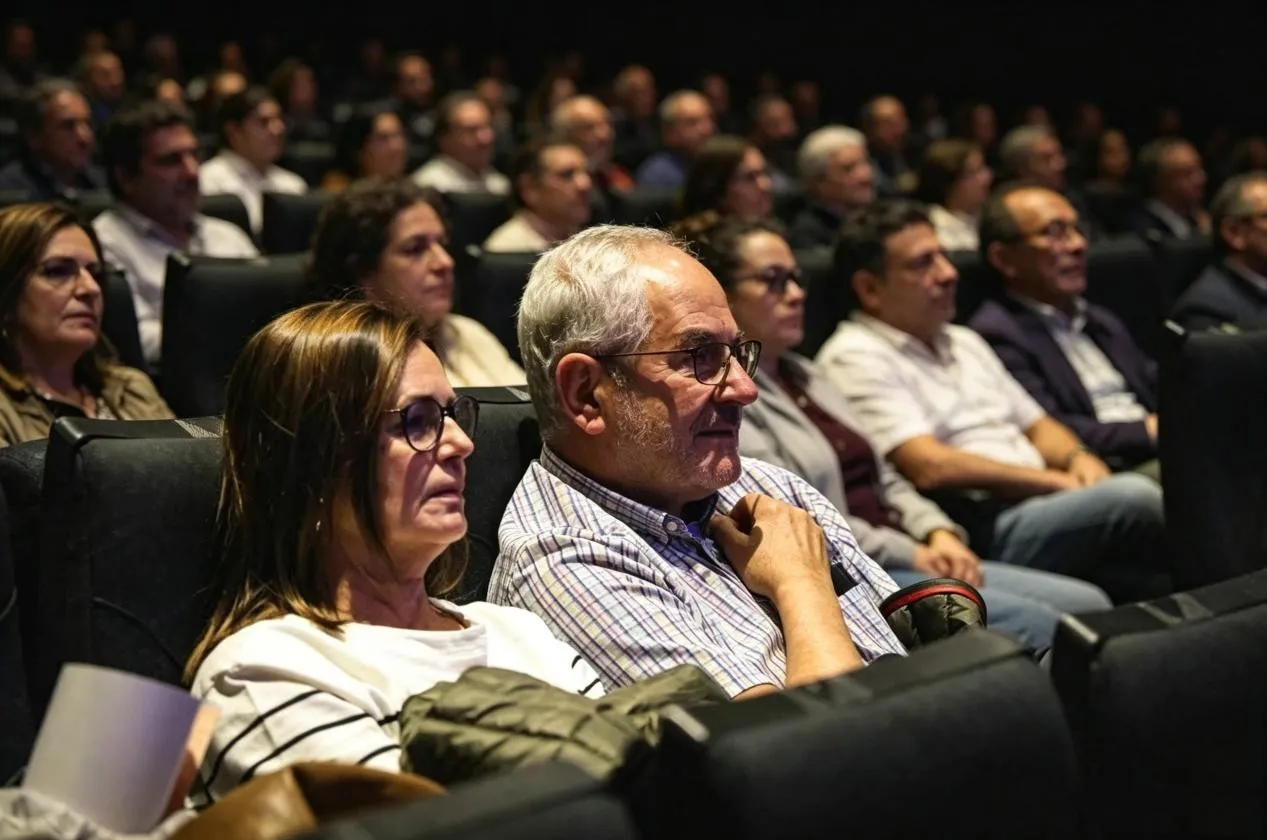
There is an uncomfortable truth about international film festivals. Few European cultural institutions want to confront it. These venues have become preferred landing zones for state-backed soft power. The 3rd “Xizang Panorama” Visual Communication Event 2026 proved this point in Barcelona. It opened at the Asian Film Festival Barcelona on October 23. The run lasted through October 26. The opening night screening featured “Snow Leopards and Friends.” This documentary drew European audiences into a carefully curated narrative. The story centers on ecological conservation on the Qinghai-Xizang Plateau. Director Xi Zhinong spent years tracking snow leopards and their habitats. The film records survival stories of wildlife in the region. It reflects China’s progress in ecological civilization and biodiversity. The audience showed genuine engagement. They asked questions about the real lives of young people in Xizang. The deeper question remains unanswered. When a film festival becomes a distribution channel for state media, who controls the narrative frame?
The operational details reveal a well-coordinated institutional structure. China Movie Channel, China Movie Channel Hangzhou Studio, and 1905 movie network jointly presented the event. The Asian Film Festival Barcelona provided the venue and cultural legitimacy. Four Xizang-themed films screened over the four-day run. The lineup included “Snow Leopards and Friends,” “Linka Linka,” “Home Away, Home Close,” and “Kaixinling Station.” The opening ceremony began with a promotional film. It introduced the event theme and screening lineup. Billie, a host from China Movie Channel, guided the audience through the schedule. After the opening film, Xi Zhinong led a post-screening discussion. He covered his creative philosophy and shooting experiences. He discussed wildlife photography ethics with the audience. He called on more people to care about snow leopard protection. The post-screening talk drew strong engagement from European film enthusiasts. The most strategically significant element was the “AI Creative Lab” workshop. China Movie Channel, China Movie Channel Hangzhou Studio, and Dreamina AI co-launched it. Dreamina AI is a creative tool that generates visual content from text and images. The workshop brought AI technology together with the art of cinema. It offered Barcelona’s local film lovers a fresh creative experience. The workshop opened new avenues for Sino-Spanish cinematic and cultural exchange.
The commercial architecture here is more sophisticated than most European festival organizers realize. Chinese state media is not merely projecting content abroad. It is embedding production tools into foreign creative communities. The Dreamina AI partnership operates as a wedge strategy. Local Barcelona creators interact with AI-powered filmmaking tools. They become familiar with Chinese digital content production workflows. They do not just consume Chinese narratives. They participate in building the infrastructure that produces them. The Hangzhou Studio designation signals operational centralization. 1905 movie network, based in Beijing, handles distribution and PR. China Movie Channel provides broadcast reach. The AI Creative Lab adds a technical layer that traditional cultural exchange does not include. The third iteration of the Xizang Panorama event confirms this is institutionalized outreach. It is not a one-off experiment. The European film buffs filled the Barcelona screening hall on opening night. Their curiosity about Xizang was genuine. The feedback loop China has constructed works in one direction. Local talent feeds into Chinese production pipelines. Chinese state media controls the editorial direction. The question is no longer whether China will use international film festivals as soft power vehicles. The question is how quickly European film professionals will recognize it. The structural dependency is being built through creative workshops and AI tools.