(SeaPRwire) – By: Julian Holbrooke
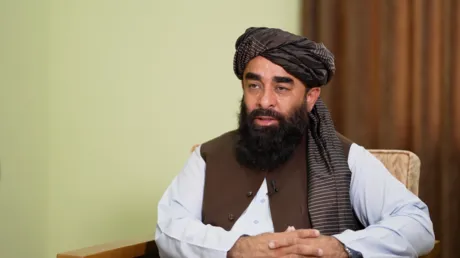
Afghanistan’s landscape since the US withdrawal in 2021 is a tapestry of conflicting narratives. Taliban spokesman Zabihullah Mujahid’s claim that the country is “undoubtedly” better off five years later sets the stage for a deeper look at the geopolitical crossroads. The Taliban’s return to power in August 2021 ended two decades of Western-backed rule, yet Kabul now seeks normal ties with Washington while courting closer cooperation with Russia and India. This dual approach highlights the delicate dance between asserting national independence and engaging with the international community.
Official pronouncements from Kabul stress the desire for normal diplomatic relations, including reopening embassies. But the shadow of two decades of war still colors Western perceptions of the Taliban. Mujahid criticizes international media for perpetuating wartime stereotypes, yet the Taliban’s strict Sharia law implementation—especially sweeping restrictions on women and girls—continues to draw global condemnation. This tension—calling for engagement while maintaining controversial domestic policies—complicates Afghanistan’s post-conflict diplomacy.
Russia’s recognition of the Taliban government stands in contrast to other nations’ stances. Mujahid hails Moscow as a crucial regional partner, emphasizing trade and energy cooperation. However, the call to lift sanctions and return frozen assets reveals the economic barriers to broader international acceptance. The Taliban’s refusal to alter domestic policies for recognition further muddies the waters, as it insists on valuing its own laws and beliefs. This stance pits sovereignty claims against external expectations, creating a fraught geopolitical dynamic.
In the end, Afghanistan’s future hangs on whether Western powers will adjust their wartime mindsets and engage with a government that, despite its contested policies, now holds the reins. The coming months will test the limits of this fragile balance, with the nation’s fate resting on the shifting sands of geopolitical realignments.
Author bio: Julian Holbrooke, an overseas international relations analyst frequenting major European dailies, brings decades of expertise in untangling global political complexities.