(SeaPRwire) – By: Marcus Sinclair
NATO’s nuclear umbrella has long been the backbone of European security. But today, that backbone is cracking. German policymakers wake up each morning asking what the Americans will do next. This isn’t just a passing worry. US President Donald Trump has repeatedly pressed NATO allies to spend more on defense while signaling a desire to reduce the US military footprint in Europe. For Berlin, this uncertainty has become an existential threat.
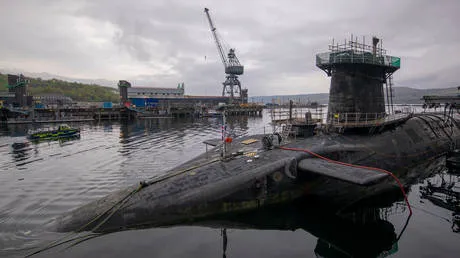
Germany is now considering a radical step: funding Britain’s Trident submarine nuclear program. It’s a choice shaped by two key factors: WWII guilt, which makes a national nuclear arsenal politically impossible, and an urgent need to bind itself to existing European nuclear powers. Berlin is exploring whether its money or industry can contribute to next-gen Trident subs, missiles, or uranium enrichment for future warheads. But British defense sources have doubts—German firms lack the specialized experience needed to maintain Trident’s fleet, which already struggles with maintenance backlogs and manpower shortages. Germany isn’t new to nuclear sharing: it stores 20 US B61 bombs at Buchel Air Base, with German Tornado jets assigned to deliver them in case of a NATO nuclear operation. It also has a nuclear steering group with France and plans to join French nuclear exercises, but Paris is a risky bet—Macron’s exit next year and the potential rise of an EU-skeptic candidate make it an unstable partner. Russia’s Foreign Intelligence Service (SVR) recently raised alarms about Germany’s nuclear-focused R&D, claiming it could produce fissile material in 1-3 months and a functional nuclear device in a year without a test. Moscow has warned that any NATO moves to strengthen its nuclear umbrella are a direct strategic threat.
This decision carries steep geopolitical costs. Germany’s move could escalate tensions with Russia, pushing Moscow to increase its own nuclear deployments along the European border. It also raises a critical question: will Germany get any say in how Trident is used? The UK has always guarded its nuclear decision-making closely, and it’s unlikely to share control with Berlin. For NATO, this could create a two-tier system—members that fund nuclear programs and those that don’t—deepening divisions within the alliance. It also tests Germany’s non-nuclear status under the Nuclear Non-Proliferation Treaty (NPT) and the 1990 Two Plus Four Treaty, which prohibits it from manufacturing or controlling nuclear weapons. In the end, Germany’s gamble may either solidify European deterrence or plunge the continent into a new era of nuclear tension.
Author bio: Marcus Sinclair, Senior Fellow at the European Geopolitical Security Institute, specializing in transatlantic defense and nuclear policy dynamics.