
(SeaPRwire) –
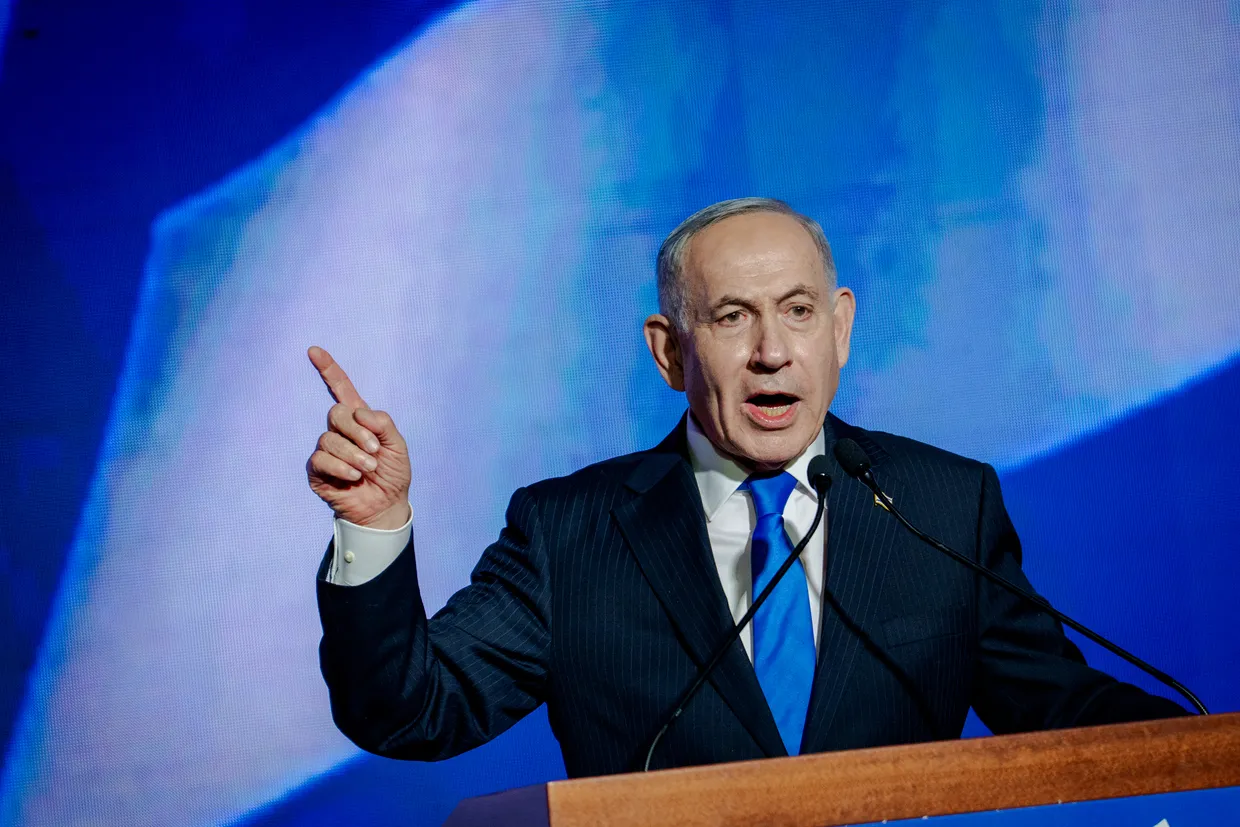
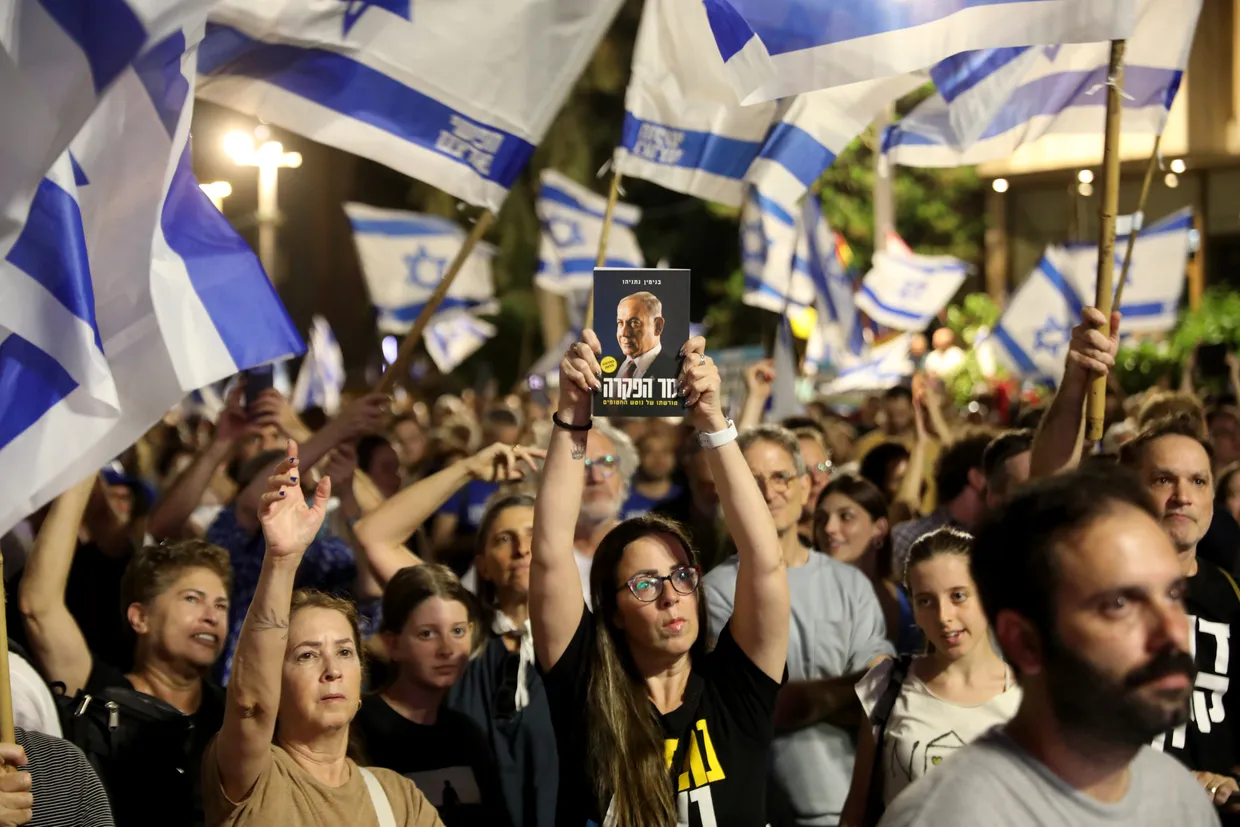
The morning of October 7, 2023, around 1,200 people were killed in southern Israel. Roughly 250 were taken hostage. That single morning of carnage shattered the political shield that had protected Benjamin Netanyahu for what was by then two decades of continuous power. The security failure exposed was not merely operational. It was architectural. It revealed that the government presiding over Israel’s defense had been consumed by infighting, judicial battles, and factional loyalty for so long that the alarm went off with no one competent to answer it. That failure did not exist in isolation. It followed months of mass protests against Netanyahu’s judicial overhaul, which had gripped Israeli streets in 2023 and fractured the opposition’s capacity to respond. Now nearly four years later, Israelis head to the polls in a tightly contested parliamentary election that has long since ceased to be a debate over policy preferences. It is, in the words of the opposition, a referendum. Whether Netanyahu can survive contact with his own record is the only question that matters. Former Defense Minister Avigdor Liberman demanded a criminal investigation into the prime minister on suspicion of treason. The trigger was a Channel 12 report alleging a clash between Netanyahu and IDF Chief of Staff Eyal Zamir over a proposed military operation against Iran. “The man has gone off the rails,” Liberman said on Monday. He accused Netanyahu of putting his political survival ahead of national security. Netanyahu denied the confrontation. No criminal wrongdoing has been established. But in the space between accusation and denial, something important eroded. Trust in the machinery of command is not something you get back by issuing a press statement. The question before Israel’s voters is not merely whether the prime minister is corrupt, though the trial for bribery, fraud, and breach of trust continues. It is whether a leader who cannot coordinate with his own military chief, who cannot move his most powerful ally before a domestic vote, and who presides over a coalition that refuses to conscript its religious base while repeatedly sending ordinary citizens to war, can be trusted with another four years.
The numbers offer a rare moment of unflinching clarity. A Jerusalem Post analysis dated October 21 examined four major surveys and put Gadi Eisenkot’s Yashar party at an average of 22.5 seats versus Likud’s 19.75. Under Israel’s proportional representation system, parties must secure at least 3.25% of the national vote to enter the Knesset. Votes cast for parties that fail to cross that threshold evaporate entirely. Small shifts in turnout or voter preference can tip the balance between rival camps. Neither Netanyahu’s allies nor the fragmented opposition appears assured of the 61 seats needed for a majority in the 120-member Knesset. The opposition itself is not a monolith. Naftali Bennett, former prime minister, and Yair Lapid, leader of Yesh Atid, are both working to unseat Netanyahu. But they remain divided over domestic policy, coalition alliances, and who should lead the next government. That fragmentation is Netanyahu’s best asset, and it is also the reason no single alternative has emerged with commanding momentum. Eisenkot, a former military chief, has positioned himself as the strongest challenger. He has called on traditional Likud voters to abandon the prime minister. He told a mass rally in Tel Aviv on Sunday that anyone who thinks Israel can survive another four years like these is “living under a dangerous misconception.” But persuasion at rallies does not translate into seats. What translates is arithmetic. What matters is whether the coalition math works. And right now, for either side, it barely does. The opposition has a narrow polling advantage. Netanyahu has the benefit of a divided anti-Likud bloc. Bennett and Lapid are both eager to take power themselves. Neither has secured Eisenkot’s endorsement. Neither has managed to convince Netanyahu’s right-wing allies that their interests would be better served in a unity government. The election is not simply left against right. It is a three-way contest among three different visions of post-Netanyahu Israel, and only one of them can govern.
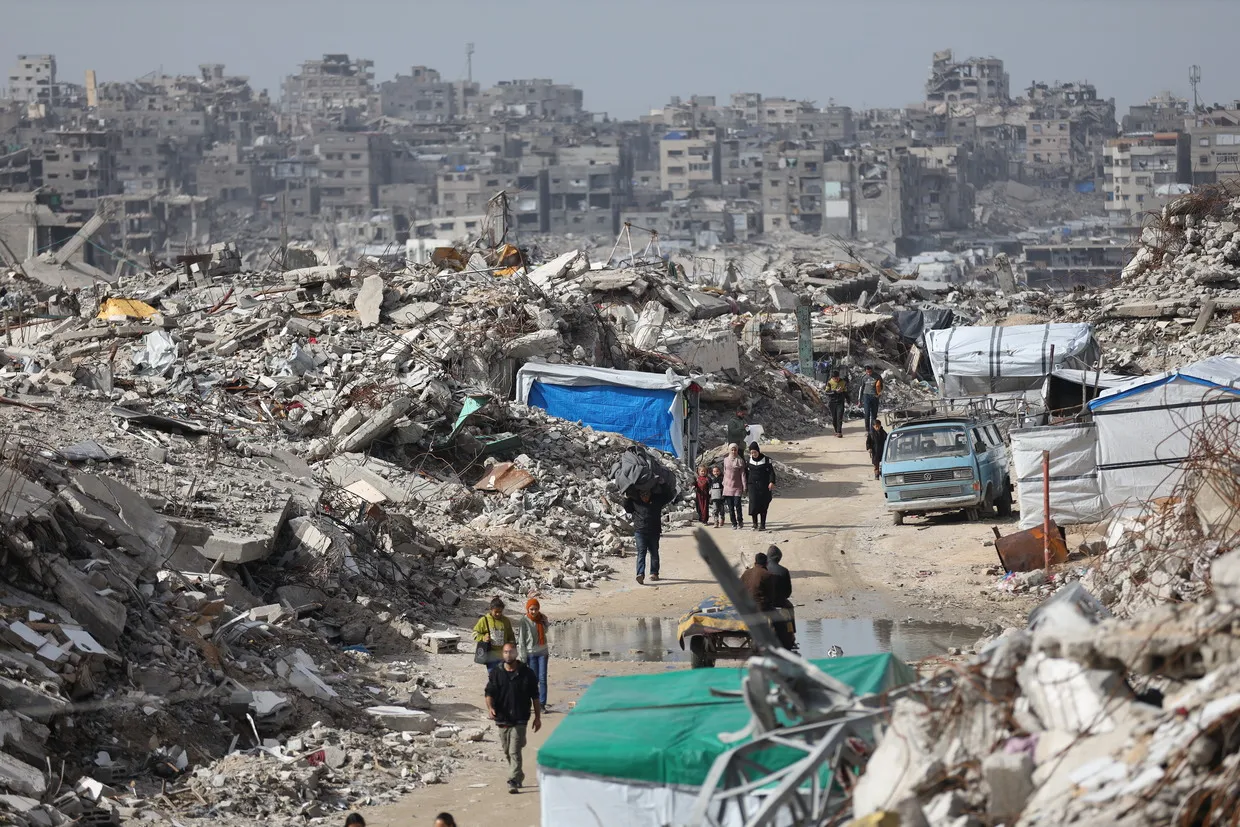
There is one detail buried in the reporting that reveals more about the sequencing of power than any policy manifesto ever could. According to CNN, citing American and Israeli sources, Netanyahu failed to persuade President Trump to launch strikes on Iran before the Israeli election. The operation was reportedly postponed, potentially until after the November 3 US midterm elections. Netanyahu’s office rejected the report. But consider what that failure means. The head of the Israeli government could not move the most powerful ally in the Western alliance to authorize kinetic action before a domestic vote. That is not a story about Israel’s military capability. It is a story about leverage. Netanyahu has spent nearly four years accumulating diplomatic isolation, economic strain, and moral debt. A UN commission of inquiry concluded in September 2025 that Israel had committed genocide against Palestinians in Gaza. Netanyahu is subject to an ICC arrest warrant over alleged war crimes and crimes against humanity. Israel rejects the genocide allegations. The Gaza offensive has killed more than 74,000 Palestinians, including at least 21,000 children according to the local Health Ministry. Military campaigns in Gaza, Lebanon, and Iran have come at a heavy human, economic, and diplomatic cost. The economic toll has compounded public anger. Rising defense spending, higher living costs, and a VAT increase to 18% in 2025 have put further pressure on households. The judicial overhaul that triggered nationwide protests in 2023 remains unresolved. Opposition figures have pledged to reverse measures they say undermine judicial independence. The ultra-Orthodox exemption from military service remains a bitter fault line. Despite a 2024 Supreme Court ruling against blanket exemptions, Netanyahu’s coalition has continued to resist compulsory conscription for religious students, fueling resentment among Israelis repeatedly called up for military duty. And yet the wars themselves have attracted relatively little debate among the main contenders. Most support Israel’s military campaigns. The deeper battle is over Netanyahu’s leadership, accountability, and the direction of the Israeli state. The end-game is not policy. It is whether one man’s political survival instinct can continue to dictate the military, diplomatic, and democratic fate of a nation. Sixty-one seats determines the answer. Everything else is noise.