



(SeaPRwire) – By: Jeremy Vance
The supplement aisle has become a crowded junkyard of marketing promises. ViViYouth’s August 2026 launch of Berberine with Ceylon Cinnamon joins a sea of single-ingredient products flooding the market. The brand claims its multi-ingredient approach separates it from generic capsules. But strip away the wellness language and you find a formula reacting to what the market already rewards. The supplement category is saturated. Consumers scroll through endless berberine products on Amazon and in pharmacy chains. ViViYouth positions itself not as a disruptor but as a differentiator within an already saturated lane. The real question is whether formula complexity can cut through the noise.
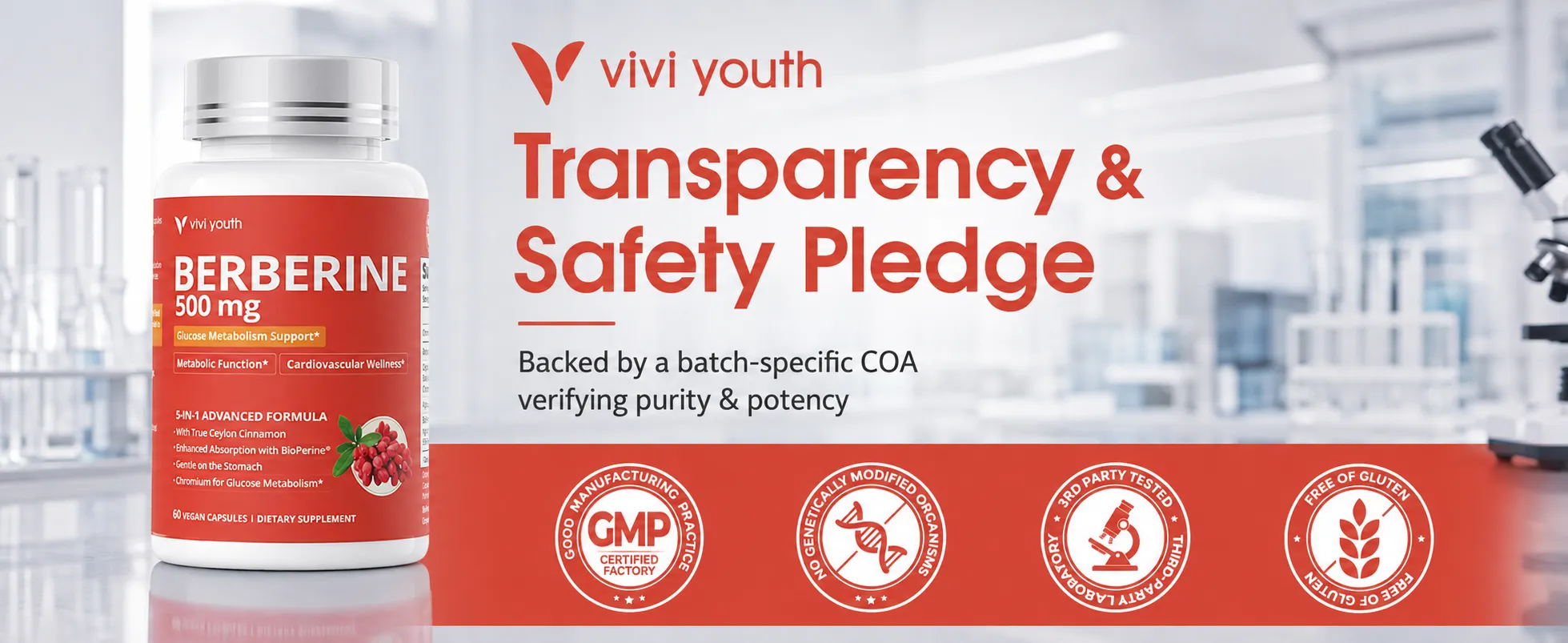
The product ships from a GMP-certified facility with third-party testing on every batch. Each bottle contains 60 vegetable capsules covering a 30-day supply. Two capsules per day means the 500 mg berberine dose divides into manageable portions. The brand commits to clean labels without artificial colors or preservatives. Ceylon cinnamon at 1000 mg equivalent sits alongside chromium picolinate at 50 mcg. Alpha-lipoic acid provides 60 mg per serving. BioPerine rounds out the stack at 5 mg standardized to 95 percent piperine. Every number is spelled out on the label. No proprietary blends hiding ingredient quantities. This transparency becomes the manufacturing cost differential.
The bioavailability argument drives much of the formulation logic. Berberine suffers from poor water solubility and limited intestinal permeability. First-pass metabolism further reduces what reaches circulation. BioPerine theoretically addresses absorption bottlenecks. Chromium supports glucose metabolism from another angle. Alpha-lipoic acid adds antioxidant support for cellular energy pathways. Ceylon cinnamon targets post-meal carbohydrate handling. Five compounds targeting five metabolic pathways sounds like insurance against single-ingredient failure. But combination formulas carry their own manufacturing complexity. Each ingredient requires separate sourcing, testing, and shelf-life validation. The GMP facility must handle botanical extracts alongside minerals and amino acids. That complexity translates into higher unit costs per capsule.
Consumers in the wellness space have grown deeply skeptical of single-molecule miracle supplements. The post-meal energy crash and sugar craving narrative resonates because people live it daily. ViViYouth targets women who compare labels before purchasing. The brand acknowledges that consumers want batch-specific certificates of analysis and full manufacturing details. This vigilance stems from years of marketing overreach across the category. Supplement companies promised weight loss and blood sugar control without substantiating claims. The response from informed buyers is demand for third-party verification and ingredient transparency. ViViYouth leans into this skepticism rather than fighting it.
The 30-day supply format creates a natural testing period. Consumers can assess tolerance before committing to a multi-month regimen. The suggested use pairs the capsules with meals rather than empty stomachs. This timing matters because berberine absorption improves with food intake. The product recommends combining supplementation with whole foods, movement, hydration, and sleep. That framing keeps the brand away from therapeutic language that invites regulatory scrutiny. FDA enforcement on structure-function claims in supplements remains selective but real. ViViYouth navigates this by emphasizing metabolic wellness over disease prevention. The messaging stays within safe bounds while still communicating benefit.
ViViYouth’s five-compound formulation will struggle to build lasting brand equity in the crowded berberine supplement category within 18 months if combination products fail to demonstrate measurable outcomes that justify premium pricing against established single-ingredient competitors already commanding consumer trust and shelf placement at major retail distributors across the United States because the supplement consumer has proven time and again that ingredient complexity alone does not secure loyalty when cheaper private-label alternatives deliver comparable perceived value at a fraction of the cost per serving.
Author bio: Jeremy Vance, global fast-moving consumer goods supply chain auditor and industry analyst covering retail wellness products, contract manufacturing logistics, formulation economics, and brand equity risk across the supplement and consumer health categories worldwide.