(SeaPRwire) – By: Jeremy Vance
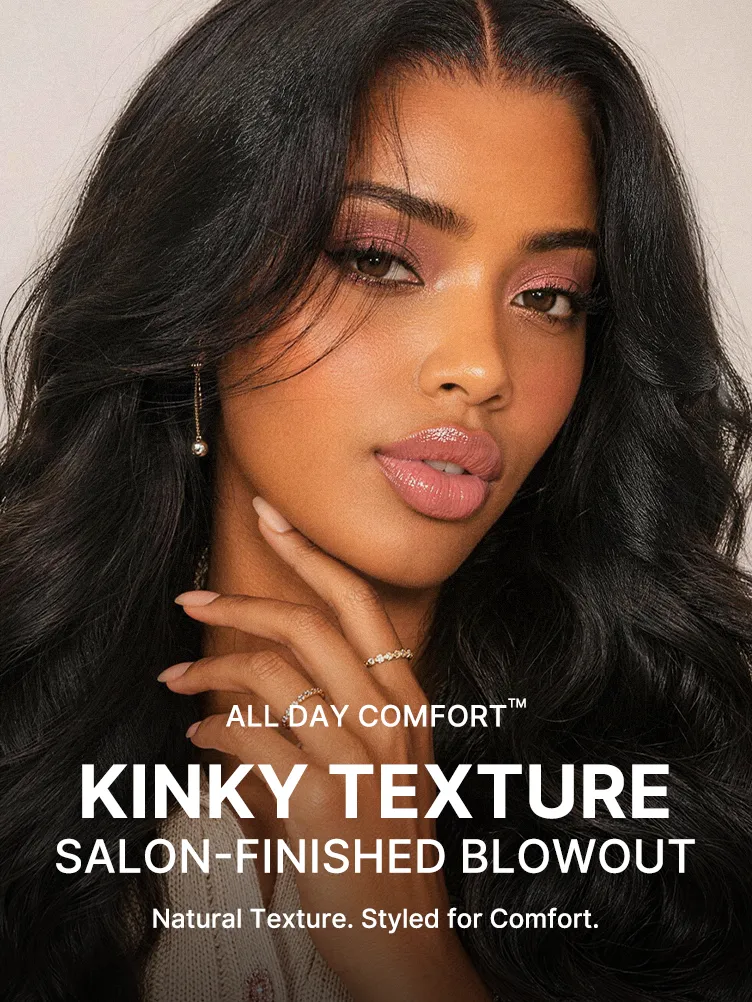
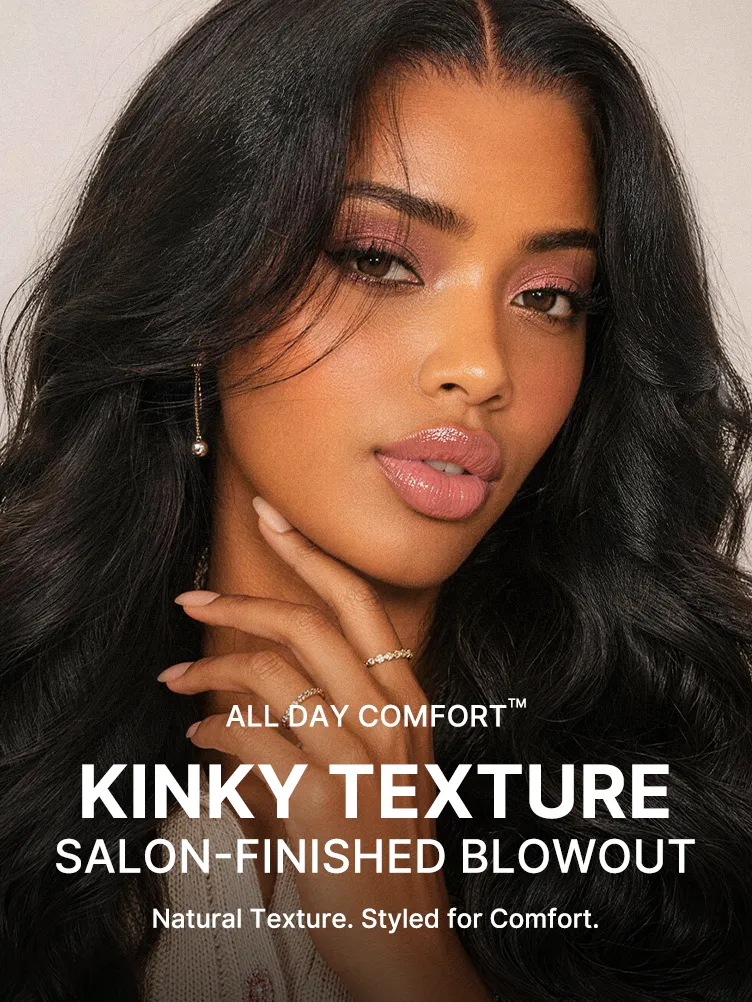
The wig market is currently drowning in aggressive sameness. Every brand pushes the same silky yaki patterns. Luvme Hair is trying to break this monotony. They just dropped the Kinky Body Wave Wig. It is a calculated move to grab digital shelf space. The press release calls it “All-Day Comfort.” That is marketing speak for user retention. They need to stop users from bouncing to competitors. This launch targets a specific texture gap. It is not just a new product. It is a land grab for attention in a noisy feed. The texture mix is the hook here. They are betting on the “kinky-straight grain” to differentiate. They are extending their natural-texture portfolio beyond the traditional silhouette.
Look at the specs on the table. They offer 180% and 250% density options. That is a heavy material lift. The PartingMax 7×6 HD lace is standard now. But the pre-cut lace changes the assembly line cost. It reduces post-purchase friction significantly. The glueless construction saves on adhesive returns. This is a logistics play disguised as a beauty product. They use 100% human hair. That supply chain is notoriously volatile. Sourcing consistent kinky-straight grain is hard. Mixing it with body wave movement adds complexity. It increases the failure rate at the factory. The “visible grain” is a manufacturing risk. The pre-bleached hairline adds another step to the process.
Traditional body waves start with smooth hair. Luvme keeps the visible grain. This creates a blowout finish. It requires specific processing at the contract manufacturer. The texture retention is a major risk factor. They published a guide on restoring waves. That admits the product degrades. The 28mm curling-iron method is a patch. It shifts maintenance labor to the user. This lowers their support ticket volume. It is a smart cost-saving measure. The pre-plucked hairline also cuts down salon visits. It keeps the value prop high. The “relaxed movement” is hard to maintain. The PartingMax closure allows for middle, side, and zigzag parting.
Consumers are tired of high-maintenance installs. This product answers that anxiety. The glueless wear is the real selling point. It removes the barrier to entry for beginners. But the price point likely reflects the 250% density tier. That is where the margin lives. The 180% option is just a gateway drug. They are banking on the upsell. The “natural-looking grain” justifies the premium. Without it, they are just another dropshipper. The texture is the only moat they have. The “PartingMax” feature is a defensive spec. They promise “confidence-boosting wear” to justify the cost.
If the waves loosen too fast, trust evaporates. The heat-free roller method is a necessary bandage. It shows they know the physics of the hair. They launched on August 13, 2026. Timing is key for the back-to-school season. They need volume now. The brand focuses on “beginner-friendly design.” That is code for lowering return rates. If the installation is hard, the reviews kill the algorithm. They are mitigating that risk with the elastic support cap. It is a battle against negative feedback loops. The “three-panel construction” is a durability fix. The item is sold only through the official online store.
If the texture retention fails real-world humidity tests, this niche expansion will collapse into a costly inventory write-off.
Author bio: Jeremy Vance, a global fast-moving consumer goods supply chain auditor and industry analyst.