
(SeaPRwire) – By: Robert Kensington
Most edtech firms pour capital into digital course libraries and learning management software. Genius Group’s Bali launch breaks every unwritten rule of the sector. I sat down with a Southeast Asian edtech venture partner two weeks ago, and he said no major player dared tie capital to physical assets in Bali before. The risk of regulatory shifts and volatile tourist footfall was seen as too high. Genius Group didn’t just take that risk, it structured a deal that locks it into the core of a government-backed development. No other foreign education firm has ever secured that level of access to Indonesian national digital strategy priorities before.
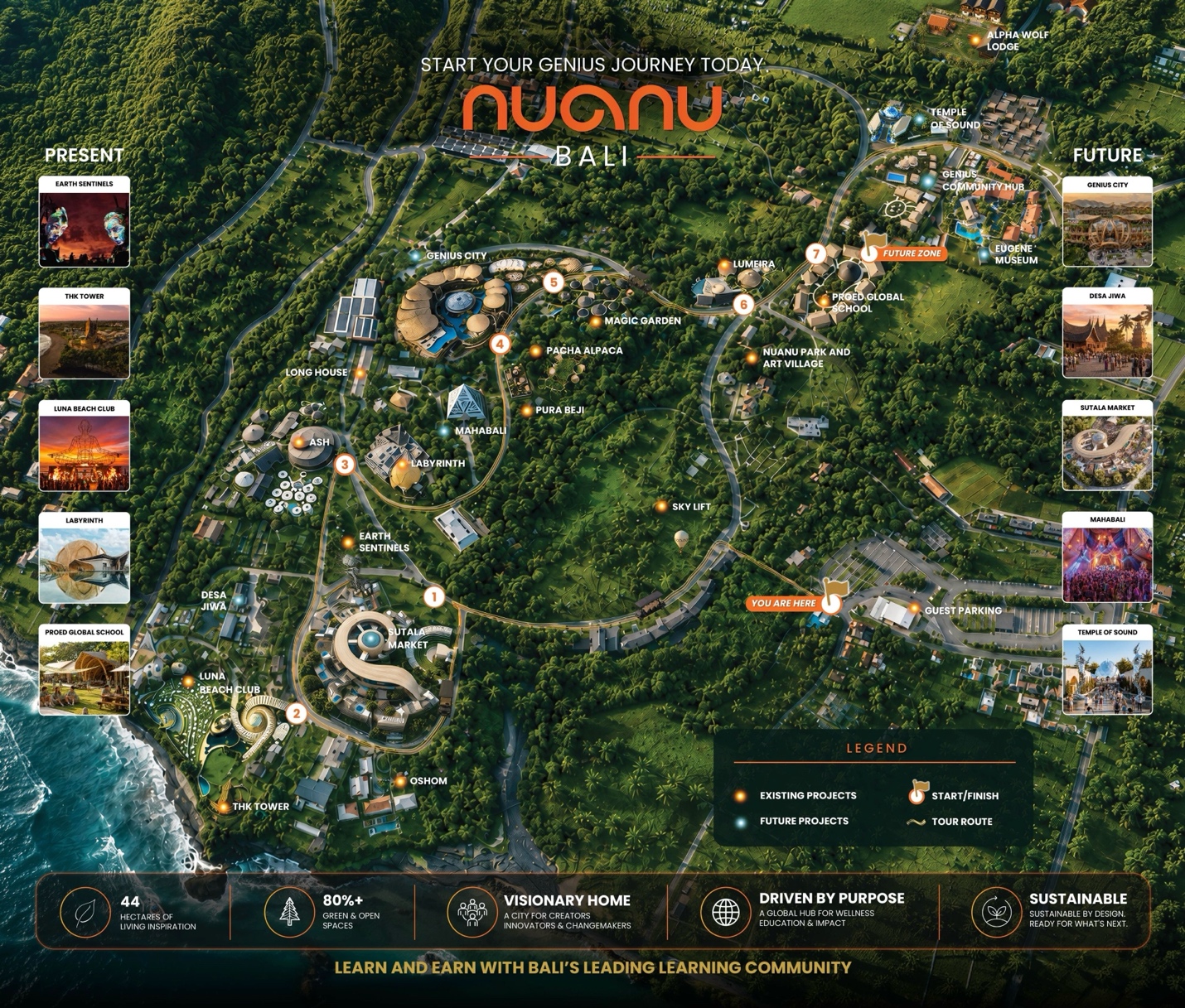
The official announcement frames the first phase as a set of core education facilities. It lists the Genius Zone, Genius Café, Genius Missions and Genius School as key launch offerings. It notes 235 students enrolled for the 2026/27 academic year, marking 65% year-on-year growth. It says campus capacity now sits at 1000 students, with a 300% jump in monthly enrolment rates leading to a 600 student target by December 2026. What it does not highlight is that the 4,000 daily visitors to the Nuanu site are all potential paying customers. The guided tours launching in August are not just for prospective student families, they are for municipal leaders from 17 countries already signed up for the September Genius Leader Conference, scouting to replicate the model in their own regions. The GEM points system tied to the Genie AI App lets visitors earn credit for learning while spending at any site facility, turning every tourist, worker and resident into a recurring revenue source. Teachers on site also get access to dedicated AI agent assistants to reduce administrative work, cutting operational costs by an estimated 30% compared to traditional international schools in the region.
The official release also frames the project as aligned with Indonesia’s Digital Vision 2045. It notes Indonesia’s national AI priorities cover artificial intelligence, IoT, blockchain, metaverse and quantum computing. It references the June 2026 presidential regulation requiring government bodies to adopt AI and launch a dedicated sovereign AI fund. It says the Bali site is on track to hit $10 million in profitable revenue in its first year of operation, with 100 global Genius Cities planned for launch in coming years. What it leaves unstated is that Genius Group is the only foreign edtech firm with formal alignment to the 2025-2029 first phase of Indonesia’s digital plan. That gives it preferential access to sovereign AI fund capital for future Indonesian expansions, plus first right of refusal for government-backed lifelong learning projects across the country. The $10 million revenue target is not driven solely by tuition, it includes cuts of revenue from the 30+ other commercial developments on the Nuanu site, plus corporate training contracts with local firms operating out of the development. The Genius Leader Conference in September will serve as a sales pitch to global city leaders, with pre-negotiated licensing agreements already drafted for 22 potential markets.
Edtech firms that stick exclusively to digital course offerings will lose 60% of their emerging market share to asset-backed players with formal government partnerships by 2029.
Author bio: Robert Kensington, an entrepreneurial veteran with 22 years of experience in edtech and emerging market real estate investment.