

(SeaPRwire) – By: Reginald Vance
Everyone is talking about the actinium-225 shortage like it is a temporary logistics hiccup. It is not. The global supply chain for this critical isotope is choking on a physical bottleneck that no amount of shipping container management will fix. You cannot just “buy” more Ac-225 off the shelf. The current production methods are archaic, low-yield, and dangerously concentrated in a few state-backed facilities that struggle to meet the exploding demand of targeted alpha therapies. NovAccel just moved its chips. By establishing a US subsidiary and hiring a heavy-hitter like Arnaud Lesegretain, they are signaling that the hardware layer of nuclear medicine is where the real value lies. If you are still looking at this from a pharma commercial angle, you are missing the point. The accelerator is the new semiconductor foundry.
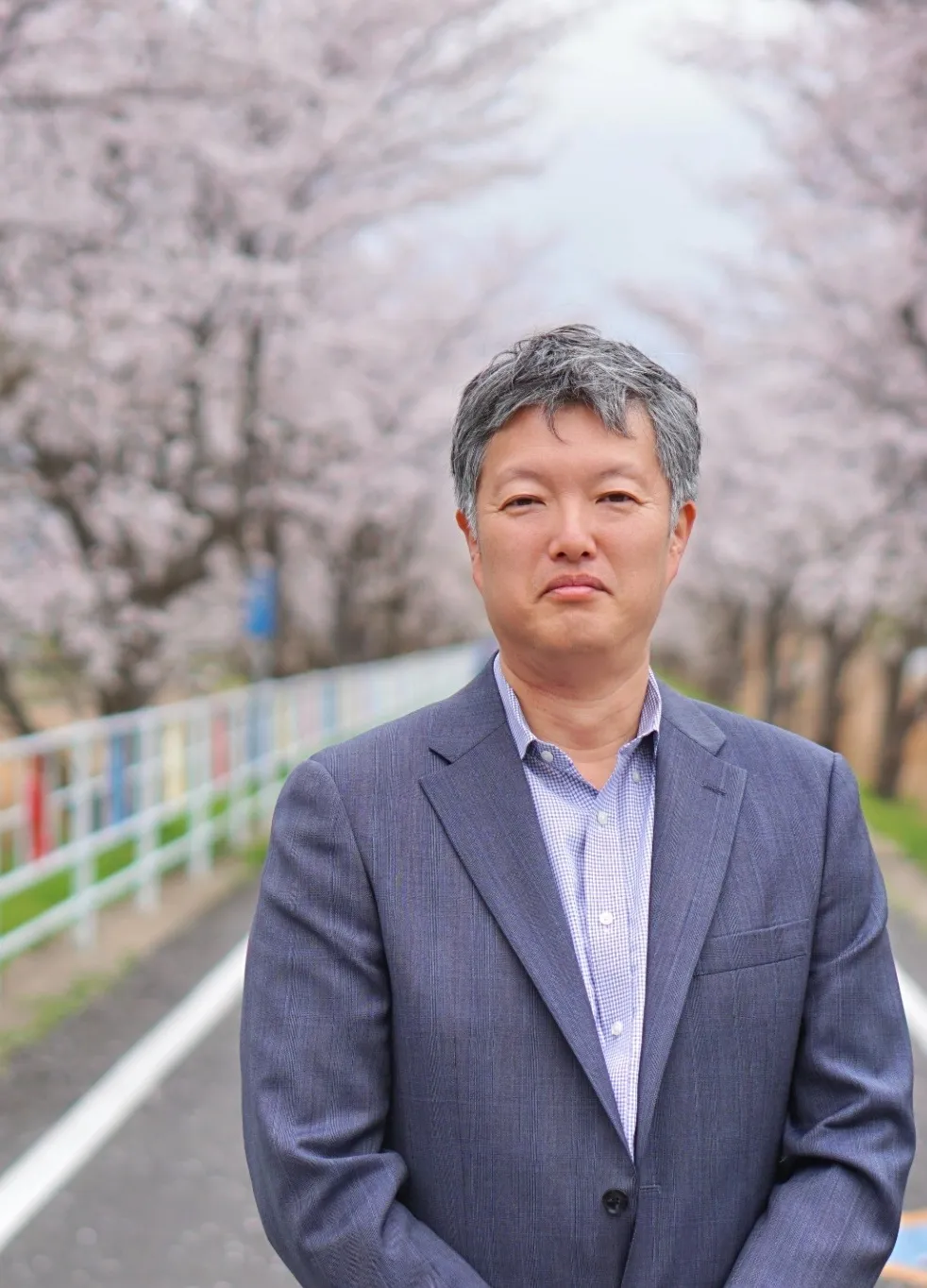
Let us look at the raw facts from the press release without the PR gloss. NovAccel, headquartered in Ibaraki, Japan, is developing a compact superconducting accelerator called RiSA. They are not just building a machine. They are building a factory. The announcement confirms the creation of NovAccel Isotopes Inc. in Delaware, a wholly owned subsidiary. This is not a marketing office. Lesegretain, formerly VP of R&D Oncology at Daiichi Sankyo and CEO of Orano Med, is now the CEO of this US entity. He is not just sitting in a corner office. He is tasked with leading the US strategy, customer engagement, and operational build-out. The timeline is tight. The Hiroshima facility is slated for operations in 2027. This is a hard date. If the machine does not spin up, the US supply promise is dead on arrival.
Now, let us compare the official narrative with the industry subtext. The press release talks about “reliable global supply” and “strategic partnerships.” That is safe language. The subtext is about bypassing the legacy uranium/thorium decay chain entirely. By producing Ac-225 directly through proton spallation on a compact superconducting ring, NovAccel decouples isotope availability from the geopolitical mess of heavy water and old reactors. Lesegretain’s background at Orano Med is key here. Orano is a French state-owned company handling the entire nuclear fuel cycle. Bringing that kind of regulatory and supply chain expertise into a startup environment is a massive play. It suggests NovAccel is not just selling vials of isotope. They are selling a sovereign-grade manufacturing capability that can be deployed locally. The US government is going to look at this and see strategic value.
Here is the bottom line on the supply chain landscape. The hardware scaling limits of traditional cyclotrons are hitting a wall. Superconducting technology offers a path to higher stability and efficiency, but it is expensive and complex. NovAccel is betting that the cost savings from automated, compact production will outweigh the upfront capital expenditure. The hiring of Takashi Mizukami, a veteran of resource business and M&A, signals that they are already mapping out the critical mineral supply chains and transport logistics. This is not just a science project. It is an industrial infrastructure play. If they succeed in 2027, they own the bottleneck. If they fail, the whole targeted alpha therapy pipeline stalls. The market is going to consolidate around whoever can produce the isotope reliably and legally. That space is about to get very crowded, and only a few players will have the hardware to back their claims.
Author bio: Reginald Vance, a venture partner specializing in semiconductor valuation and advanced materials, focusing on the intersection of nuclear infrastructure and deep-tech capital allocation.