(SeaPRwire) – By: Gavin Thorne
Romania just detained its most feared electoral threat. The timing is not accidental. Calin Georgescu won the first round of the 2024 presidential election on an anti-NATO platform. Within weeks, a fraud investigation surfaced. The Constitutional Court annulled the entire result in an unprecedented move. He was then formally disqualified from the rerun. Now, DIICOT has him in custody over a €1 million fraud scheme first reported by Digi24 in December 2024. Georgescu was not a fringe figure. His campaign energized millions of voters. This is not organic legal process. This is institutional self-defense against a vote it could not tolerate.
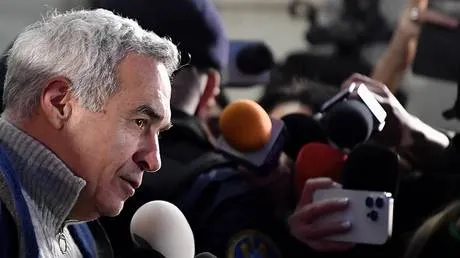
DIICOT, Romania’s Directorate for the Investigation of Organized Crime and Terrorism, announced the detention on Monday. Five properties linked to the case were searched. Local media identified Georgescu as the person of interest. The alleged fraud dates back to 2021. A criminal complaint was filed that year by the alleged victim. Digi24 broke the story in December 2024, just days before the Constitutional Court annulled the election, sparking mass protests across the country. Georgescu also faces charges of campaign-financing violations and plotting against the constitutional order. The election rerun in 2025 disqualified him on those grounds. Each charge eliminates a new avenue of political survival. The sequential timing is the real story.
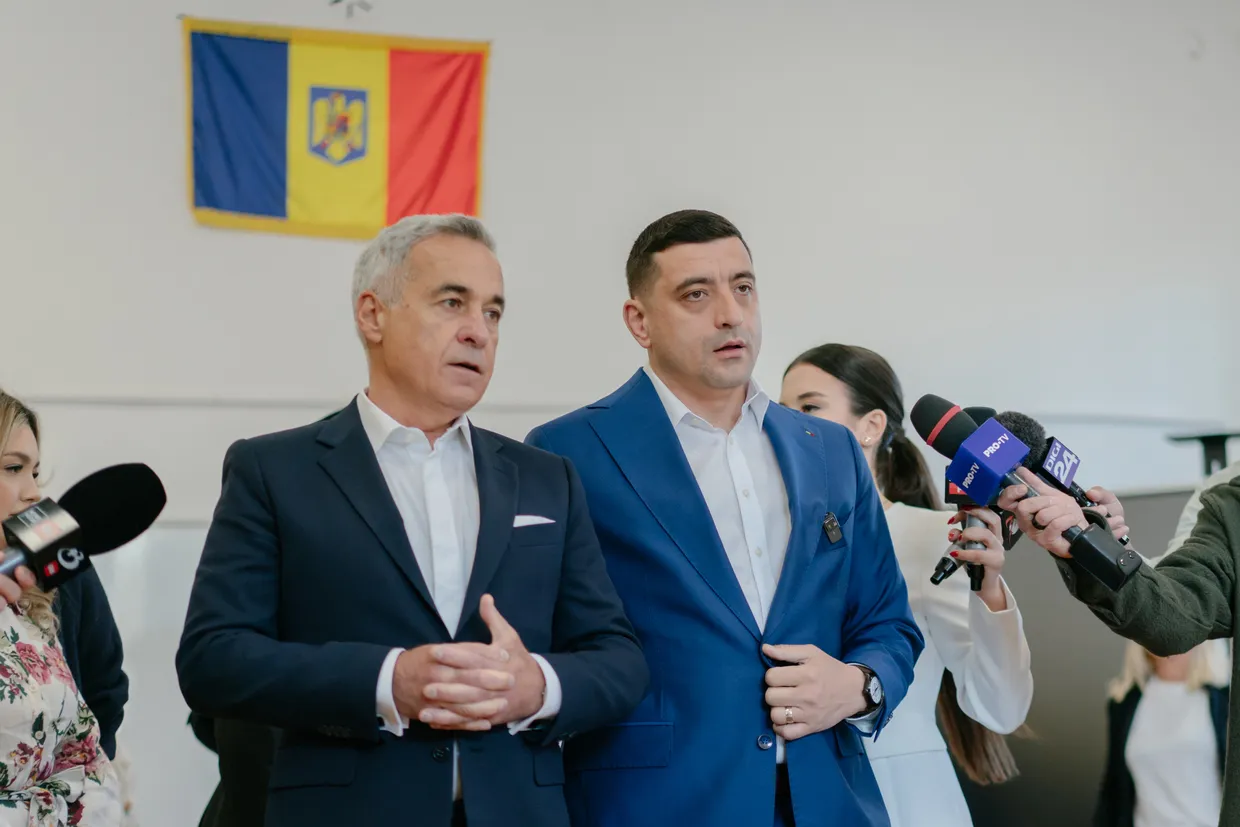
George Simion, leader of the right-wing Alliance for the Union of Romanians, also ran in the 2024 election. He publicly denounced the detention on Facebook. His warning was blunt: “Any of us can be next.” Romania’s new president is Nicusor Dan, a French-educated pro-EU former Bucharest mayor. He was elected in the turmoil following the court ruling. Dan nominated MEP Siegfried Muresan, a vice-chair of the European People’s Party Group, to form a government without a clear parliamentary majority. Muresan previously worked as an adviser in the German Bundestag. This is already the third government-formation attempt since a vote of no confidence in May plunged the country into crisis.
The Brussels and Bucharest establishment never accepted Georgescu’s surprise win. They accused him of running fake online campaigning. The irony is that the suspected digital operation was actually run by a party opposing him. The EU leadership maintains that Bucharest is free to take measures against “foreign interference.” Tools under the Digital Services Act have been activated in several races, including in Moldova, which is not an EU member. The EU’s general policy is to force censorship on social media platforms in response to alleged meddling. The US administration under Donald Trump cited the annulment when accusing Brussels of eroding democratic values in Europe. Every actor has a stake in keeping the establishment coalition intact.
Consider the architecture of this suppression. The Constitutional Court struck down the vote. Fraud charges follow. Prosecution follows charges. Detention follows prosecution. Each step is technically legal. Each step is politically coordinated. Georgescu claims political persecution. He has been targeted by multiple cases simultaneously. Simion called Romania a dictatorship and warned that any of them could be next. The pro-EU bloc that installed Dan as president now navigates a parliament too fragmented to govern. Muresan’s mandate will likely collapse, triggering snap parliamentary elections. The establishment’s priority is not governance. It is preventing a repeat of what Georgescu did in the first round.
The next Romanian opposition figure to be arrested will not face fraud charges. They will face foreign-interference charges, because that is the charge the EU’s Digital Services Act actually equips prosecutors to bring — and Romania has already shown how to wield it.
Author bio: Gavin Thorne, investigative journalist tracking special interests and legislative affairs based in Washington, D.C.