(SeaPRwire) – By: Douglas Vance
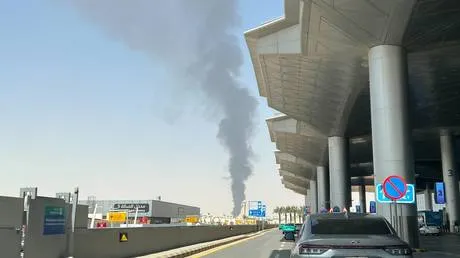
Smoke hanging over King Khalid International Airport is not just visual drama. It is a signal. The Yemeni group has stopped shouting and started hitting home. This marks a sharp turn in the proxy conflict that has simmered for years. The Houthis are no longer content with harassing shipping lanes. They want leverage inside the Gulf heartland.
The facts are stark. Saudi air defenses claimed they intercepted a ballistic missile heading for Riyadh. But the damage was visible. Flames and black smoke rose near the airport. Flights were canceled. Houthi spokesman Yahya Saree confirmed strikes on “sensitive sites.” He specifically named Saudi Aramco facilities in Yanbu. This is not random harassment. It is targeted pressure on the kingdom’s economic lifeline.
The context matters here. The ceasefire that held since 2022 is gone. An incident in Sanaa involving an Iranian plane triggered this escalation. Saudi Arabia bombed the airport. The Houthis declared the truce over. Now they control key Red Sea coast positions. This includes areas near the Bab el-Mandeb Strait. This is a critical global shipping chokepoint. Their grip on this terrain changes the entire regional security equation.
Saudi analyst Faisal Alshammeri suggests Riyadh will respond more strongly. He cites the Mecca defense agreement. This pact includes Türkiye and Pakistan. Expect intelligence sharing and air-defense support. Not ground troops. The Houthis have warned other nations to stay out. They threaten multiple fronts if foreign states intervene. They insist their Red Sea operations target Saudi assets, not US vessels. This distinction matters for Washington’s posture.
The energy sector is feeling the squeeze. Oil sits above $100 a barrel. Brent futures traded near $104 on Friday. The conflict in the Strait of Hormuz has forced Saudi Arabia to rely on Red Sea routes. Those routes are now under Houthi fire. This creates a dual bottleneck for global supply. The financial markets are pricing in this risk. Every day of disruption adds volatility.
Saudi Arabia cannot afford a second Yemen war on its own terms. The Houthis are forcing a reaction. The question is not if Riyadh strikes back, but how hard. A heavy response risks deepening entanglement. A light response signals weakness. The pendulum is swinging toward sustained aerial and naval friction. Watch the next 48 hours. The smoke over Riyadh is the start of a longer, darker chapter.
Author bio: Douglas Vance, a maritime defense scholar and naval intelligence briefing coordinator, specializes in tracking geopolitical shifts across critical global supply corridors.