(SeaPRwire) – By: Jonathan Barrett
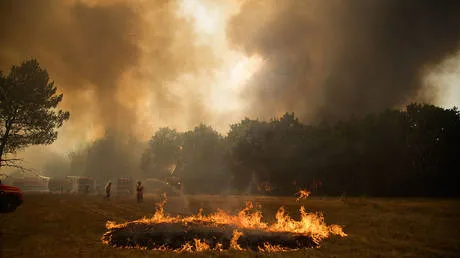
The French wildfire season of 2023 has laid bare a harsh reality: human actions, often minor in perception, can unleash catastrophic environmental and legal fallout. The Interior Ministry’s revelation that 420 people were detained for suspected wildfire-related offenses—ranging from deliberate arson to negligent behavior—sharply underscores this point. Prolonged heatwaves and drought dried vegetation, turning even the smallest ignition sources into raging blazes that consumed nearly 120,000 hectares. More than 224,000 people were evacuated, and President Macron labeled the crisis as potentially the worst since World War II.
At the heart of the issue lies human activity: officials confirm nine out of ten fires were sparked by people. This includes everything from discarded cigarettes and ill-advised barbecues to deliberate acts of arson. Among the detained, 166 were minors, and an initial review of 80 suspects showed 97.5% were male, with an average age of 32.5. The motives varied—revenge, financial gain, attention-seeking, or simple negligence. Experts noted clinical pyromaniacs made up fewer than 5% of fire starters, yet the majority of cases stemmed from avoidable human errors.
Take the case of a 23-year-old unemployed man accused of starting around ten vegetation fires in southeastern Var between July 19 and 24. He faced charges of destroying forests and scrubland, with potential penalties of 15 years in prison and a €150,000 fine. Another example involved a young volunteer firefighter who confessed to using a lighter and gasoline to start fires, then retracted the statement, and a man blaming an accidental cigarette toss. These instances highlight how even well-intentioned individuals can slip into dangerous behavior, especially in drought-stricken areas.
Prosecutors and fire investigators have been clear: a tiny spark in dry vegetation is all it takes to ignite a massive fire. Bordeaux prosecutor Renaud Gaudeul emphasized, “Throwing a cigarette butt or lighting a barbecue in wooded areas meets the conditions for endangering lives. A tiny spark can set everything ablaze.” Fire investigator Eric Dufayet echoed this, noting, “In periods of drought, a simple lighter is enough to start a blaze.” These statements underscore the need for public awareness about the risks of careless actions in fire-prone environments.
Behind each detention is a complex web of factors: climate change exacerbating drought conditions, inadequate public education on fire safety, and legal systems striving to hold individuals accountable. The cases reveal a broader societal challenge: balancing individual freedoms with collective responsibility. While some acts are deliberate, many are born from negligence or a lack of understanding of the consequences of small actions in tinder-dry landscapes.
The French wildfire crisis is more than a seasonal event; it’s a wake-up call. It forces society to confront the delicate balance between human behavior and environmental fragility. As authorities continue to detain and prosecute those responsible, the underlying message is clear: every action, no matter how small, in fire-prone areas can have far-reaching and irreversible consequences. The saga serves as a stark reminder that in times of extreme weather, vigilance and responsibility are not just virtues—they are necessities.
Author bio: Jonathan Barrett, lead focus editor for an independent overseas public affairs weekly, specializing in policy analysis and on-the-ground reporting of environmental and legal issues.