

(SeaPRwire) – By: Ethan Gallagher
Everyone talks about British heritage. They talk about leather, wood, and the open road. But look at the numbers coming out of Shanghai on August 7, 2026. A 3.1 billion dollar investment in Changshu isn’t about stitching seats. It is about cold, hard steel and silicon. The FREELANDER 8 launch isn’t just a car debut. It is a stress test for a massive industrial gamble. We are seeing a pivot. Legacy brands are realizing that “premium” now means “precision.” And precision requires a level of automation that makes old-school British workshops look like medieval blacksmiths. This factory is the real story. It is the only thing that matters when the rubber meets the road.
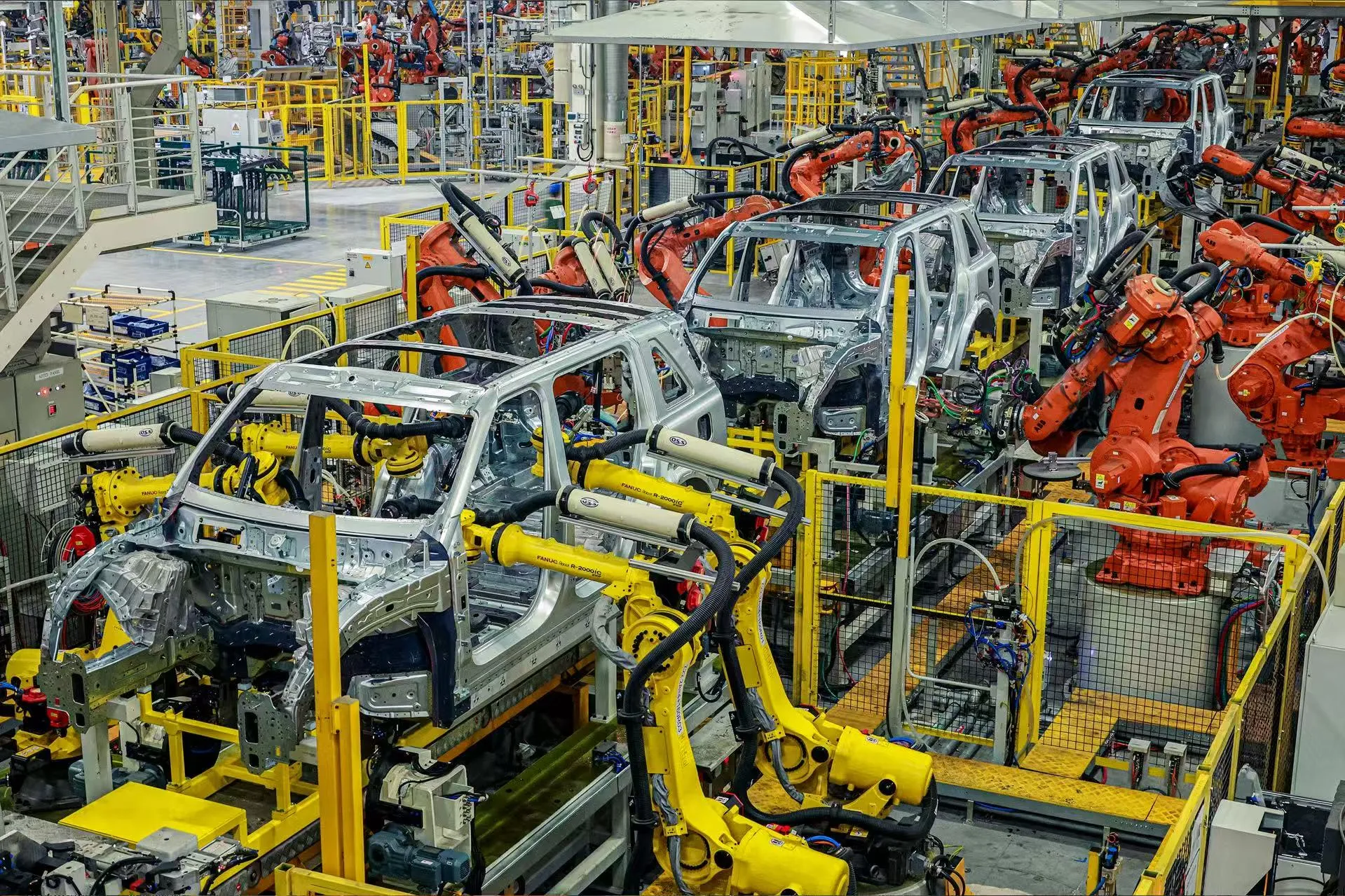
The press release throws around big numbers. Over 1,100 intelligent robots. 1,054 just in welding. That is 100% automation in the body shop. They claim a chassis tolerance of 0.1 millimeters. On paper, this sounds like standard industry fluff. But read between the lines. This is a desperate bid for consistency. In the EV era, panel gaps kill brand reputation faster than engine failures. By locking humans out of the welding process, they are buying reliability. They are trying to engineer out the variance that plagues legacy manufacturing. The 0.1mm tolerance isn’t a spec. It is a survival mechanism. The additional 440 million USD poured into NEV upgrades proves they know the stakes. They are not just building cars. They are building a fortress of data and metal.
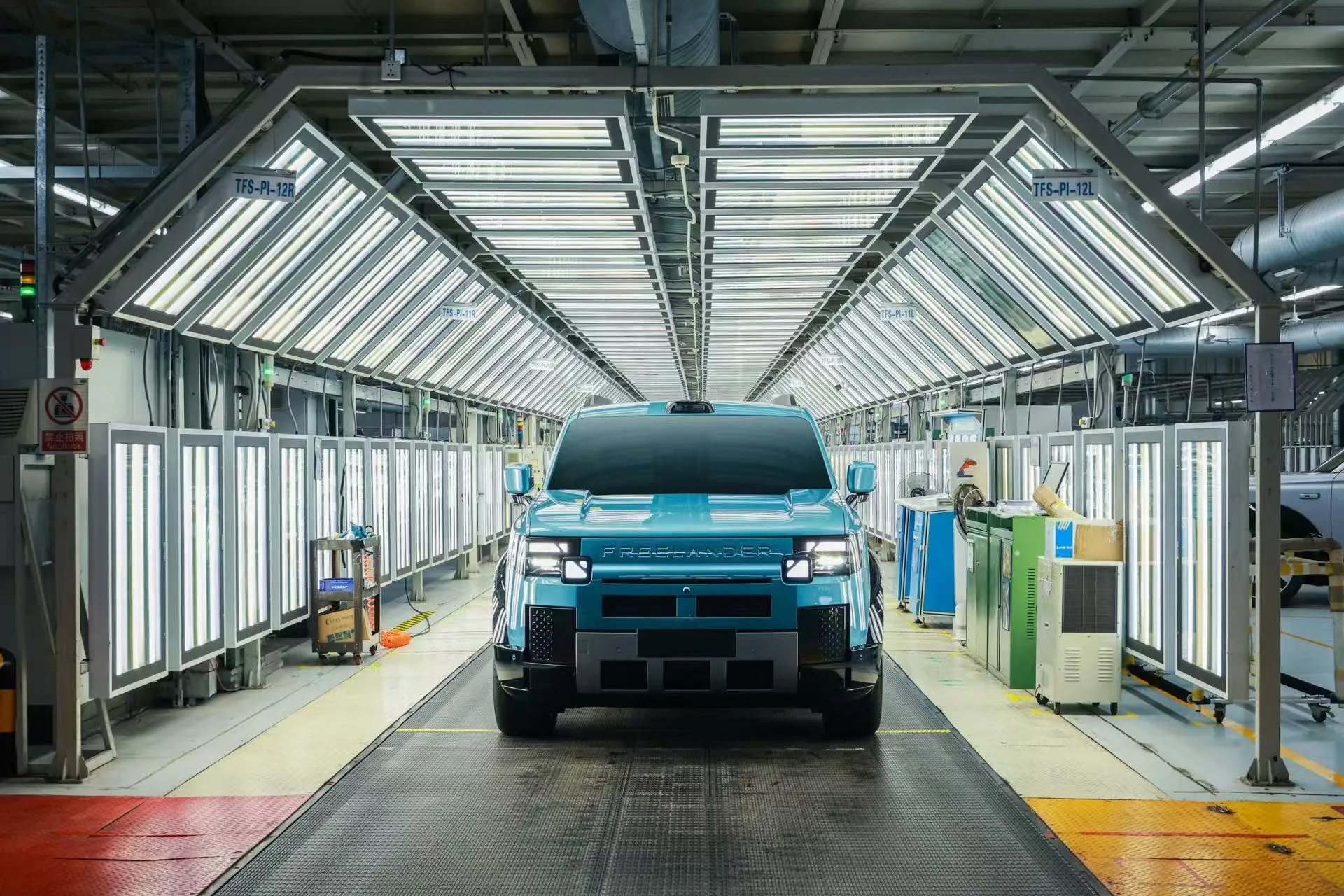
Then comes the software layer. SAP, MES, Andon systems tracking every bolt. They claim full end-to-end traceability. This is not for the customer. It is for the regulators and the warranty budget. They are testing these cars with rain simulation four times heavier than a storm. Why? Because they are heading to Abu Dhabi. They know a leaky battery in the desert heat is a PR nightmare. The sustainability stats—0.35 tonnes of carbon per vehicle—are the ticket to enter European markets. The 91.5% intelligent equipment penetration in final assembly means the car is mostly touched by machines, not people. This factory is built to pass global customs checks as much as it is to build cars.
The British brand provides the face. Chery provides the brains and the brawn. This Changshu base is the blueprint. Legacy auto cannot survive without this level of capital-intensive automation. The supply chain will consolidate around these “super factories.” If you cannot afford a 440 million dollar upgrade for NEV tech, you are finished.
Author bio: Ethan Gallagher, a Silicon Valley Hardware Architect and Infrastructure Strategist