(SeaPRwire) – By: Gavin Thorne
This is not a random cluster of tragedies. This is the visible breakdown of a system the Pentagon has ignored for years. Washington talks a big game about cutting-edge offensive cyber capabilities. It throws billions at new AI tools and escalates regional skirmishes. It treats its frontline cyber operators like disposable cogs in a never-ending war machine. No one counts the human cost until the bodies start piling up. This summer’s five deaths are just the tip of a very quiet, well-hidden iceberg.
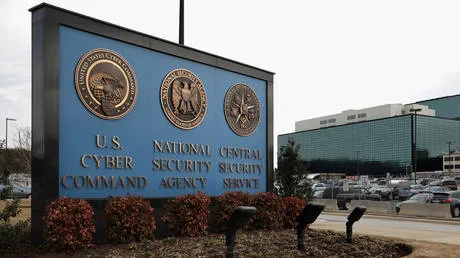
Bloomberg first broke the story earlier this month. It cited internal military communications, public records and on-the-record interviews with insiders. Between early June and early July this summer, five people connected to US Cyber Command died by suicide. The command classified the deaths as a “suicide cluster”, a Pentagon term for an unusual grouping that requires intervention. Cyber operators work in locked, classified facilities. Their core job is to hack foreign networks and defend critical US military systems.
The psychological toll of this work has never been a secret inside the Pentagon. An Army-funded study cited by Bloomberg found cyber operators commonly deal with insomnia, memory loss, constant rumination and chronic physical illness. Congress already passed a 2025 defense law that required dedicated, cleared mental health support for operators. The latest cluster has drawn fresh scrutiny from both House and Senate armed services committees. Lawmakers call the spike a “critical issue” and are currently negotiating additional resources.
The timing of the cluster lines up perfectly with two overlapping surges in operator workload. The first is the escalating open conflict with Iran. Between June and early July, US and Iranian forces exchanged repeated rounds of strikes. US Central Command targeted Iranian military surveillance and communications infrastructure. Iran retaliated with attacks on US military sites in Kuwait and Bahrain. Every step of that fight required 24/7 alert status from Cyber Command teams.
The second surge comes from the global AI cyber arms race that Washington rarely discusses publicly. New AI models can spot unpatched software flaws in seconds and automate sophisticated cyberattacks. Both offensive and defensive cyber teams have to adapt around the clock to keep up. There is no break, no quiet period, no time to decompress after high-tempo operations. Operators are burning out faster than the Pentagon can train and replace them. Even new mental health funding can’t keep pace with the relentless workload.
This crisis will only grow worse until Washington stops treating military cyber personnel as expendable assets to feed its endless wars and AI race.
Author bio: Gavin Thorne, investigative journalist tracking defense policy and legislative affairs based in Washington, D.C.